The Viet Nam Cashew Association (VINACAS) opened the 15th Viet Nam International Cashew Conference 2026 on the morning of October 27 at The Grand Ho Tram in Ho Chi Minh City.
Held under the theme “From Raw Materials to Added Value - Connecting the Value Chain and Shaping the Future of the Global Cashew Supply Chain”, this year's conference has attracted hundreds of Vietnamese and international delegates from more than 40 countries and territories.
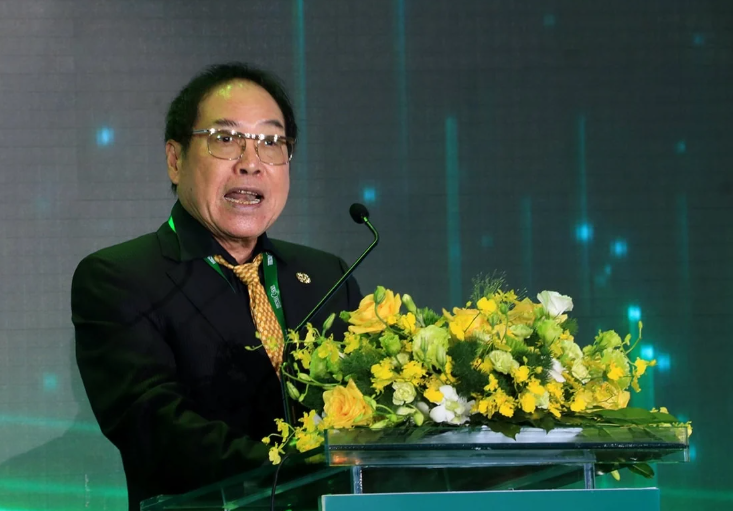 Mr. Pham Van Cong, Chairman of VINACAS, delivers the opening remarks. Photo: Thanh Son.
In his opening remarks, Mr. Pham Van Cong, Chairman of VINACAS, said Viet Nam's cashew industry reached a major milestone in 2025, exporting around 798,000 tonnes of cashew kernels worth more than USD 5.4 billion. This was the industry's highest export value on record and enabled Viet Nam to retain its position as the world's largest processor and exporter of cashew kernels for the 19th consecutive year. Viet Nam accounted for more than 80% of global cashew kernel exports, reflecting years of investment and industry development.
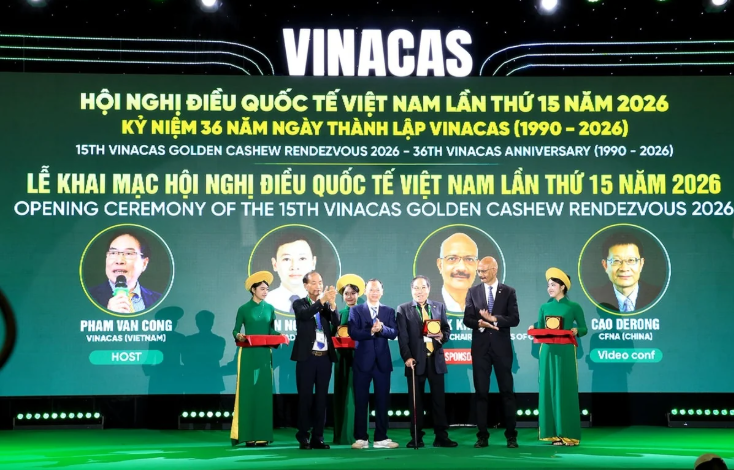 Vietnamese and international speakers deliver presentations at the opening session. Photo: Thanh Son.
However, the global cashew market faces a range of challenges in 2026. Changes in international conditions and tariff policies, growing trade barriers, fluctuations in production, transport, logistics and financing costs, and wider economic uncertainty are all affecting the cashew supply chain, from raw material production and processing to trade and end consumers.
Mr. Pham Van Cong said these challenges also offered the industry an opportunity to reassess how it operates and identify better solutions. Rather than focusing solely on how to overcome immediate difficulties, the industry must address a broader question: how can it become more sustainable, resilient and capable of generating greater value over the next 10 to 20 years?
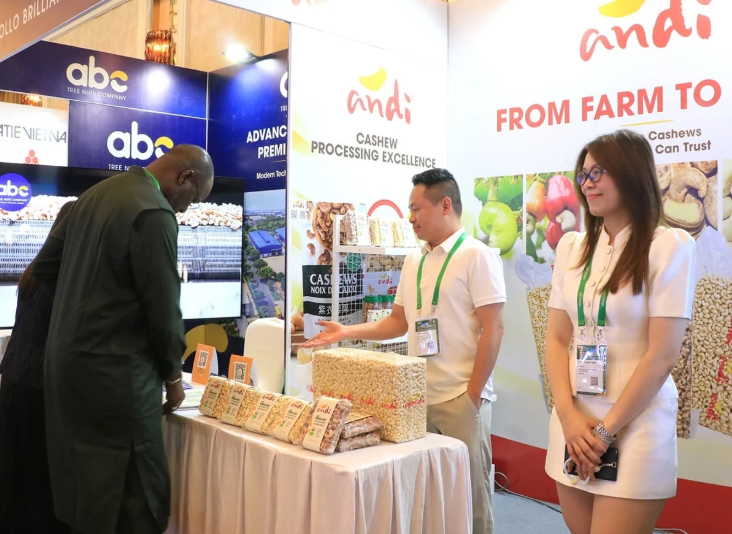 International buyers visit a Vietnamese cashew exhibition booth. Photo: Thanh Son.
According to Mr. Tran Ngoc Hai, a representative of the Viet Nam Trade Promotion Agency under the Ministry of Industry and Trade, the industry needs to shift from exporting large volumes to competing on quality, and from selling existing products to offering value-added solutions for global markets. He also stressed the need to modernise market access strategies through cross-border e-commerce and sustainable supply chains.
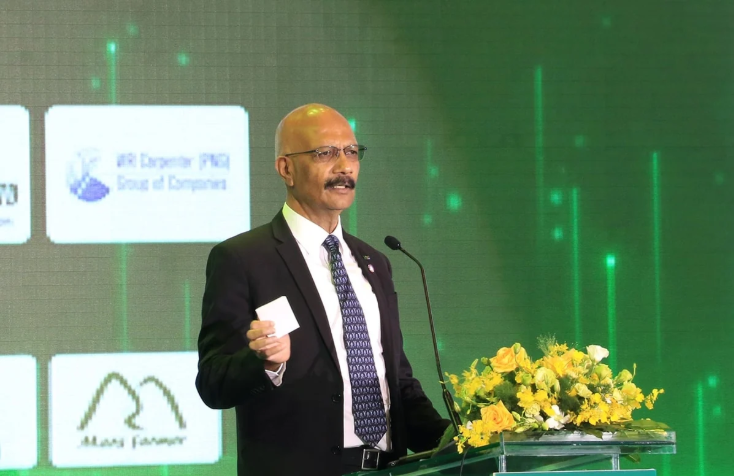 Mr. Ashok Krishen, Chairman of the International Nut and Dried Fruit Council (INC). Photo: Thanh Son.
Providing an overview of the global nut and dried fruit industry, Mr. Ashok Krishen, Chairman of the International Nut and Dried Fruit Council (INC), said cashew consumption had increased by 8% over the past decade. Cashews are now among the world's most widely consumed tree nuts, accounting for 23% of the tree nut market in the 2026/2027 season.
The 15th Viet Nam International Cashew Conference 2026 will run through October 28. Key sessions will cover advanced processing, food safety, machinery and equipment, cashew kernels, and raw cashews. The event will also provide opportunities for organisations and businesses across the cashew industry to connect and develop trade partnerships.