From August 20-21, Viet Nam chaired an online meeting of 11 CPTPP members on food safety, quarantine, e-certification, and information transparency.
This content was discussed at the 8th Session of the CPTPP Committee on Sanitary and Phytosanitary (SPS) Measures, taking place on August 20 and 21. Dr. Ngo Xuan Nam, Deputy Director of the Viet Nam SPS Office, chaired the session, with representatives from 11 CPTPP members participating.
According to Mr. Nam, regular exchanges within the SPS/CPTPP Committee framework help increase transparency, predictability, and intra-bloc coordination. This helps members protect human, environmental, animal, and plant health while minimizing unnecessary disruptions to agricultural and food trade.
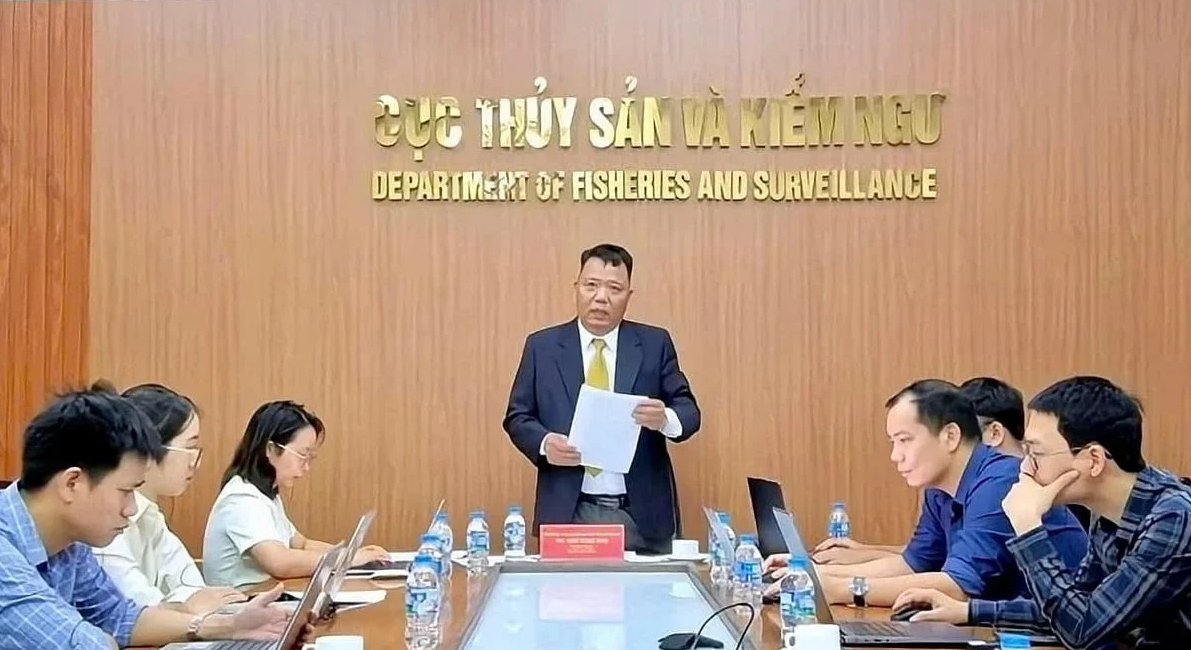 The 8th Session of the SPS/CPTPP Committee took place on August 20 and 21. Photo: SPS Vietnam.
Towards paperless SPS trade
Digitizing SPS activities was a prominent topic at the session. Survey results from the United Nations Industrial Development Organization (UNIDO) showed that most CPTPP members have used or prioritized transitioning to e-certification.
E-certification helps shorten processing time, reduce paper records, increase storage capacity, secure information, and limit the risk of document forgery. New Zealand proposed that the electronic working group on e-certification continue operating for another year. Meanwhile, other members supported continuing to share experiences, connect systems, and gradually move towards paperless SPS trade.
However, UNIDO's survey results also indicated that the transition to e-certification still faces some obstacles, from initial investment costs and differences in legal regulations among countries to system interoperability, cybersecurity, and the readiness level of digital infrastructure.
Along with e-certification, members also studied the possibility of applying remote inspection, checking, and verification. Australia updated the electronic working group's activities in this area, focusing on researching remote inspection forms. The advantage of this method is saving time and costs, and supporting direct verification activities, especially when travel or facility access is difficult.
Given these realities, Dr. Ngo Xuan Nam stated that e-certification and remote inspection are practical directions for cooperation, aligning with the digital transformation trend. But implementation must consider legal conditions, technical infrastructure, and each member's actual capacity to ensure safety, reliability, and continuous operation.
This opinion received consensus. All parties agreed on the need to further clarify the conditions, scope, and frequency of applying remote inspections. Participants also raised preparation requirements before implementation and the responsibilities of competent authorities and verified units.
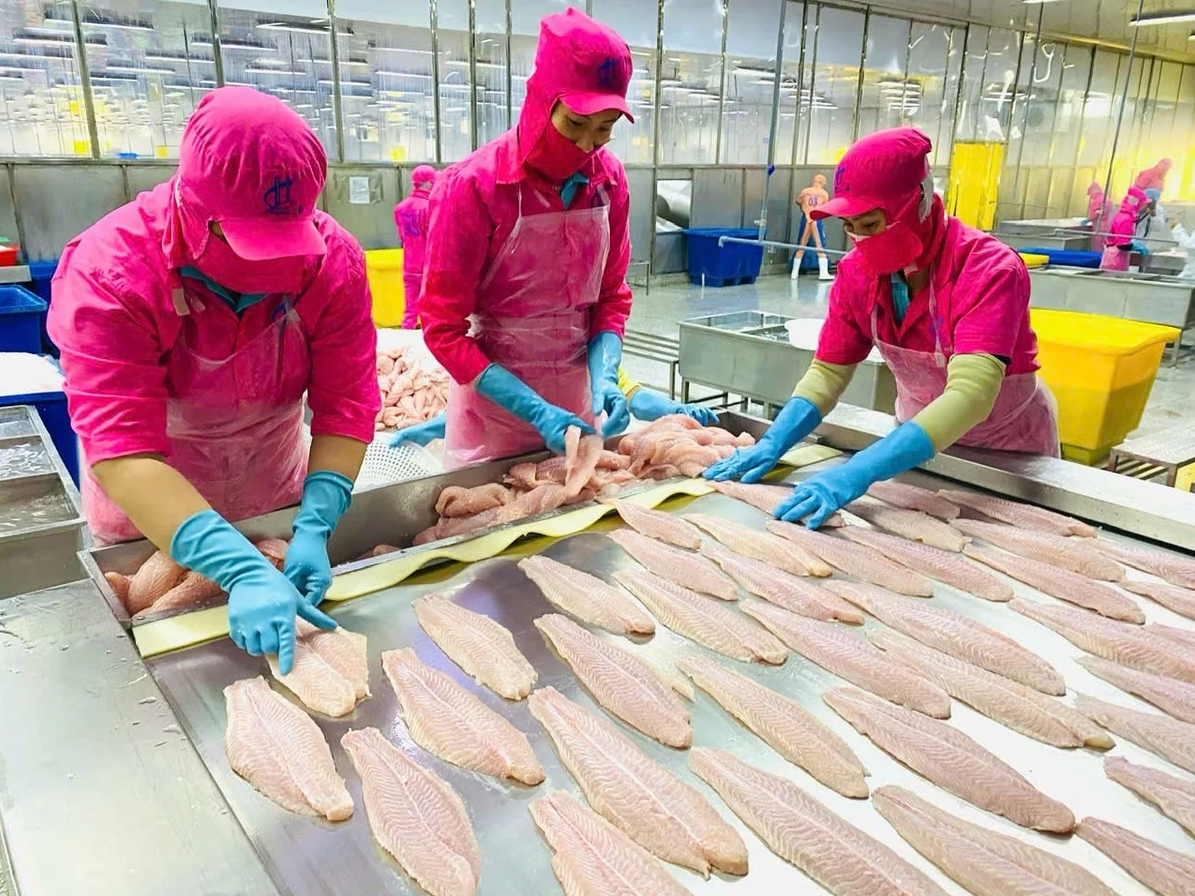 Viet Nam supports the principle that SPS measures must be science-based, include risk assessments or refer to international standards.
Transparency from products to application requirements
Along with digitization, improving the quality of SPS notifications is a topic of interest and exchange among CPTPP members.
Chile and New Zealand updated the activities of the Working Group on Transparency under the WTO SPS Committee. The group is shifting its focus from identifying difficulties to proposing specific solutions to improve the quality of SPS notifications, clarify trade impacts, and increase transparency for measures that differ from international standards.
Peru shared the results of an initiative within the APEC framework, which states that SPS notifications must clearly identify affected products, prioritize the 6-digit HS code, and, where appropriate, include the common and scientific names of products.
Notifications also need to clarify the objectives, bases, scope, and main requirements of the measure, while providing links to the full text of regulations and related documents. This helps regulatory agencies, associations, and enterprises have sufficient information to evaluate and respond.
CPTPP members were encouraged to contribute feedback to the Working Group on Transparency before the WTO SPS Committee meeting in November 2026 in Geneva (Switzerland), while increasing the use of the ePing digital platform to track and disseminate SPS notifications and technical barriers to trade.
Beyond digitization and transparency, the 8th Session of the CPTPP SPS Committee discussed regionalization and disease zoning to maintain safe trade during animal disease outbreaks. Canada stated it has completed 8 zoning agreements regarding African swine fever with trading partners, covering about 68% of the country's pork export value.
Members also discussed a cooperation project on maximum residue levels (MRLs). The survey showed that systems among members still differ regarding regulatory agencies, data requirements, costs, processing times, and methods of referencing Codex standards or other markets.
Regarding the European Union (EU) proposal on handling residue levels for some active pesticide ingredients in imported goods, members emphasized the need for a scientific basis, risk assessment, transparency, and conformity with international standards.
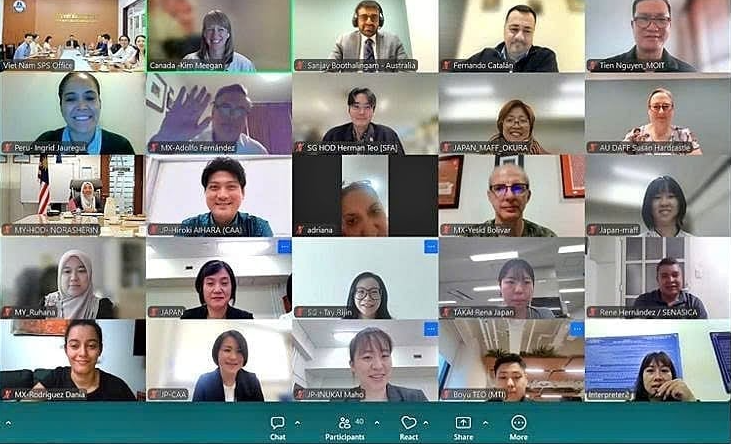 Representatives of CPTPP members attending the session. Photo: SPS Viet Nam.
Speaking at the session, Mr. Ngo Xuan Nam emphasized that Viet Nam supports the principle that SPS measures must be science-based, include risk assessments or refer to international standards, ensure harmony and fairness, and not be used to hinder agricultural and food trade.
New Zealand agreed with Viet Nam's perspective and stated that measures should be applied only within the scope necessary to protect human, animal, and plant health.
Concluding the session, Mr. Nam suggested members continue coordinating to implement agreed actions, proactively share information, and maintain exchanges on arising SPS issues. Viet Nam is ready to continue coordinating to promote substantive, transparent, and effective SPS cooperation.
Many of Viet Nam's key agricultural exports are directly affected by SPS regulations in the CPTPP market. According to the Viet Nam SPS Office, the Committee's sessions provide a basis to enhance transparency, address emerging obstacles, and facilitate access for Vietnamese agricultural products to members' markets.