Unhealthy diets are contributing to the growing burden of non-communicable diseases in Viet Nam.
The message was delivered by Dr Angela Pratt, WHO Representative to Viet Nam, at a thematic workshop on solutions to promote healthy diets for the prevention and control of non-communicable diseases on September 15.
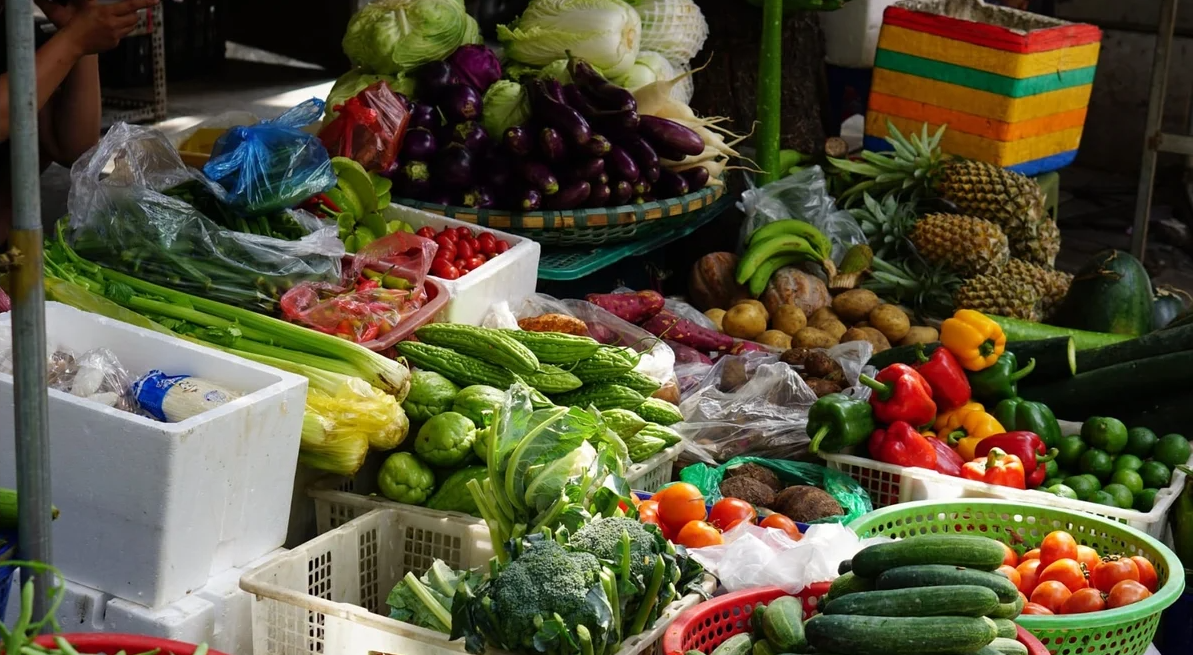
According to Dr Angela Pratt, Vietnamese cuisine is known for its fresh ingredients, rich flavours and wide variety of vegetables and fruits. However, Viet Nam is also seeing a growing trend of people consuming more unhealthy foods, particularly ultra-processed foods, fast food and sugar-sweetened beverages. These products are often high in salt, sugar and unhealthy fats.
 WHO calls for greater efforts to promote healthy diets and prevent non-communicable diseases. Photo: WHO.
Unhealthy diets are among the main factors driving the burden of non-communicable diseases, including cardiovascular disease, diabetes, cancer and chronic respiratory diseases.
She said the Vietnamese Government has set a direction to shift the focus from treatment to disease prevention while promoting healthier lifestyles and behaviours. WHO is supporting Viet Nam in these efforts.
Dr Angela Pratt said people with a strong voice and influence in their communities, particularly those working in health, can help improve nutrition through three main areas of action.
First, accurate, reliable and accessible nutrition information needs to be widely shared to help people make informed choices. For example, a 330 ml can of soft drink may contain as much sugar as about 10 teaspoons, close to the maximum amount of sugar that WHO recommends an adult consume in a day.
Meanwhile, nearly half of the population in Viet Nam does not eat the recommended five servings of fruit and vegetables each day.
She also highlighted the importance of evidence-based policies, including front-of-pack nutrition labelling. According to WHO, when properly designed, such labels can help consumers quickly identify products that are high in salt, sugar or unhealthy fats.
Another issue highlighted by WHO is food marketing aimed at children. Children may be exposed to extensive advertising for products high in sugar, salt and fat, which can shape their food preferences from an early age and affect their long-term health.
Dr Angela Pratt also called on stakeholders to remain alert to efforts to oppose, delay or weaken policies that promote healthy diets.
She said accurate and clear nutrition communication, combined with policies that help create a healthier food environment, would contribute to better public health and help prevent non-communicable diseases in Viet Nam.