The two provinces agreed to boost cooperation and share experiences, aiming for green, modern and sustainable agriculture.
On March 24, the Son La Provincial Department of Agriculture and Environment held a working session with a delegation from the Quang Tri Provincial Department of Agriculture and Environment to exchange experiences in agriculture and rural development.
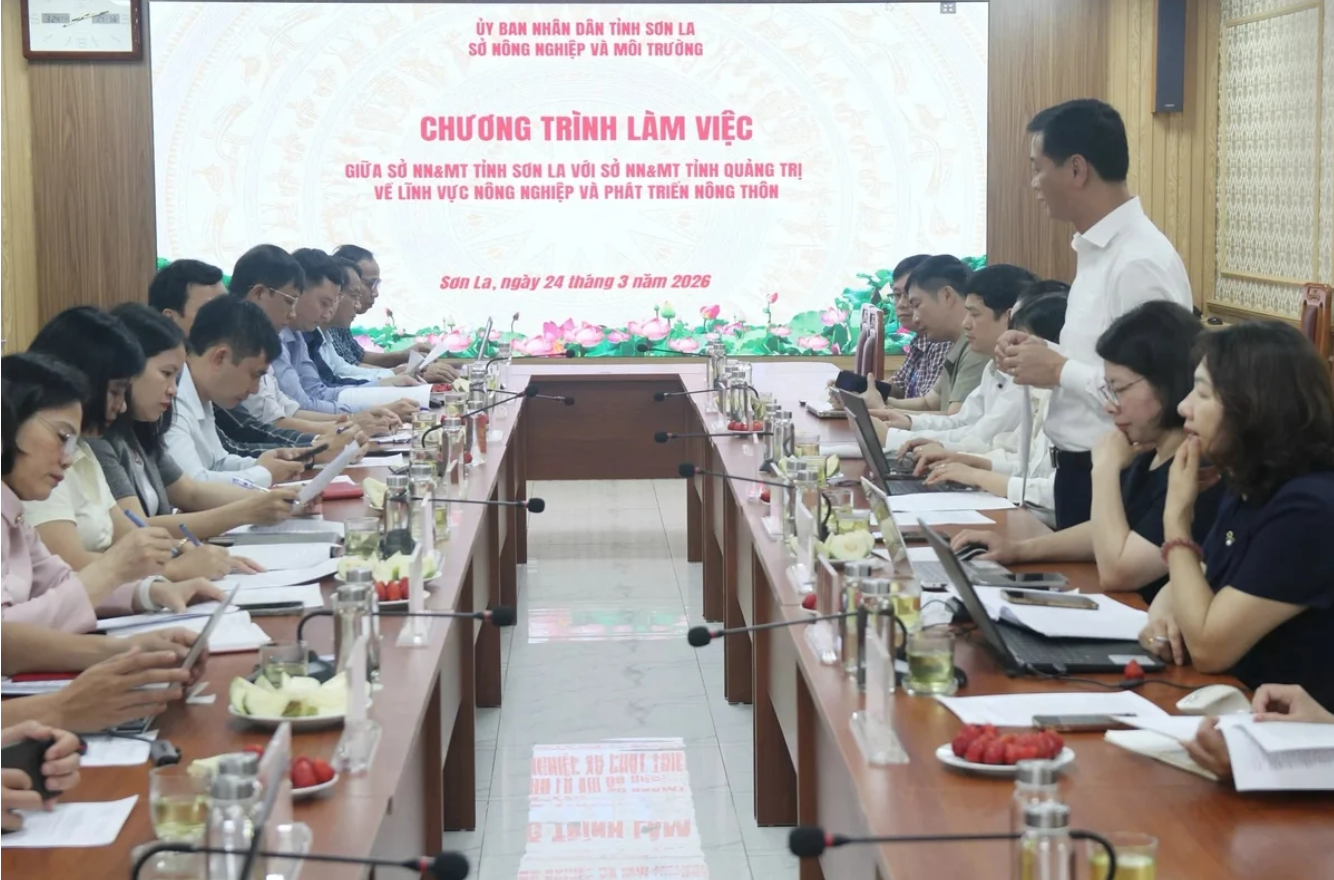 The Departments of Agriculture and Environment of Son La and Quang Tri working on agriculture and rural development. Photo: Nguyen Nga.
A bright spot in crop restructuring
At the meeting, Mr. Tran Dung Tien, Deputy Director of the Son La Department of Agriculture and Environment, briefed on the locality's natural conditions, potential and agricultural development results.
With a total natural area of over 1.4 million hectares, including more than 408,000 hectares of agricultural land, Son La holds advantages in developing industrial crops such as tea, coffee, fruit trees, vegetables, flowers and medicinal plants. This development is oriented towards large-scale commodity production, applying high technology and linking with processing, domestic consumption and export markets.
By 2025, the province's total crop area will reach over 324,000 hectares, of which fruit trees and docynia indica (son tra) account for more than 85,000 hectares, yielding approximately 510,000 tons. Numerous agricultural products, such as mangoes, longans, passion fruit and coffee, have been exported, contributing to elevated production value.
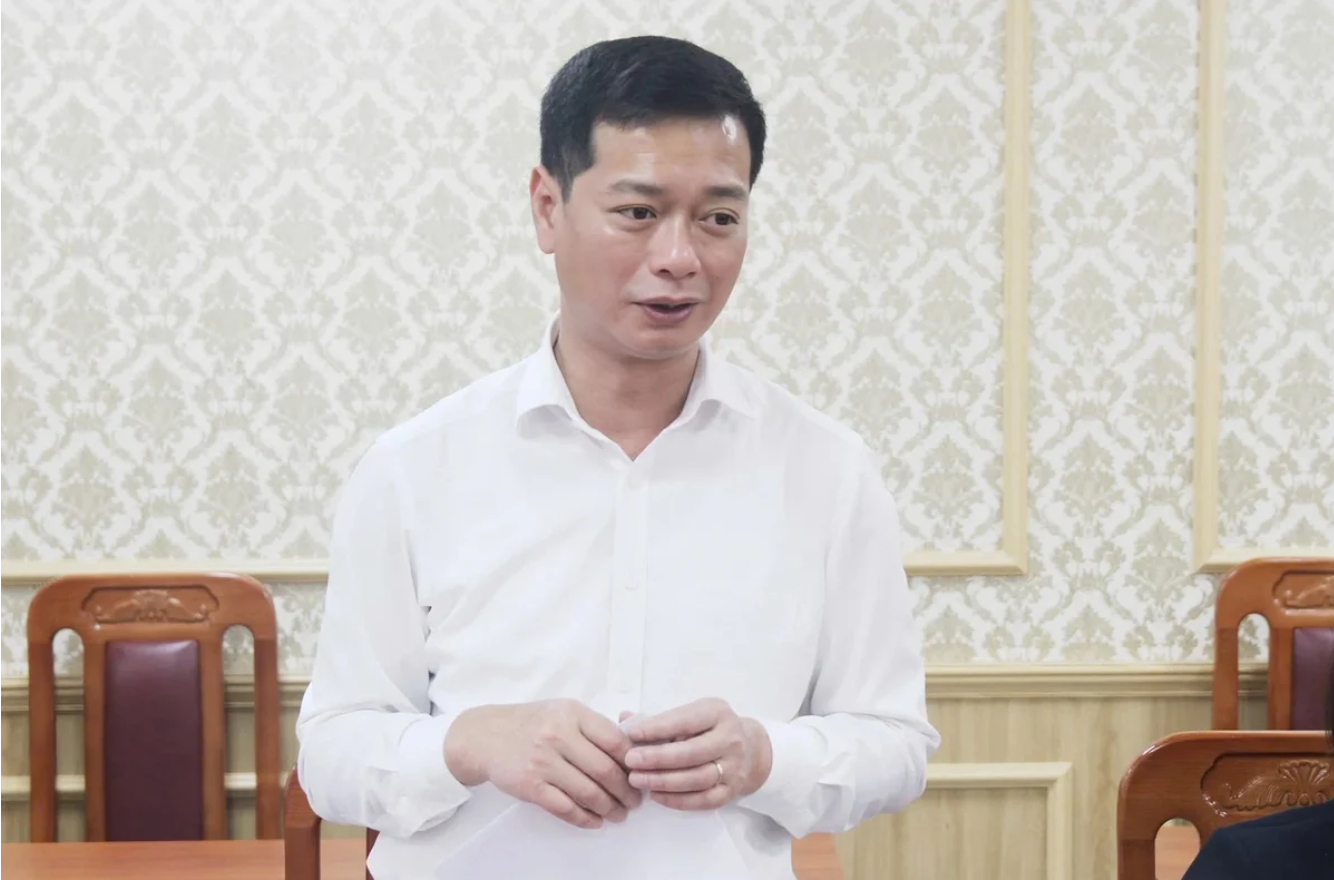 Mr. Tran Dung Tien, Deputy Director of the Son La Department of Agriculture and Environment, shares the province's agricultural development results and experiences in crop restructuring on sloping land. Photo: Nguyen Nga.
A key highlight shared by Son La province was its experience in crop restructuring on sloping land coupled with raw material zone development. In the 2016-2025 period, the entire province converted over 33,000 hectares of inefficient food crops into high-economic-value fruit and industrial crops, establishing concentrated production zones linked to consumer markets.
Alongside this, the province has strongly developed agricultural production-consumption linkage chains. Currently, the province boasts 262 safe agricultural and aquatic supply chains; 216 planting area codes; and 335 enterprises and cooperatives engaged in producing, processing, and consuming fruit products. In 2025, agricultural export turnover reached approximately $218.4 million, with products exported to 15 countries and territories.
Regarding high-tech agriculture development, Son La has 9 recognized zones; nearly 5,600 hectares producing under VietGAP standards; over 23,400 hectare-turns of sustainably certified coffee; more than 264 hectares of certified organic farming; and over 2,352 hectares of organic-oriented production.
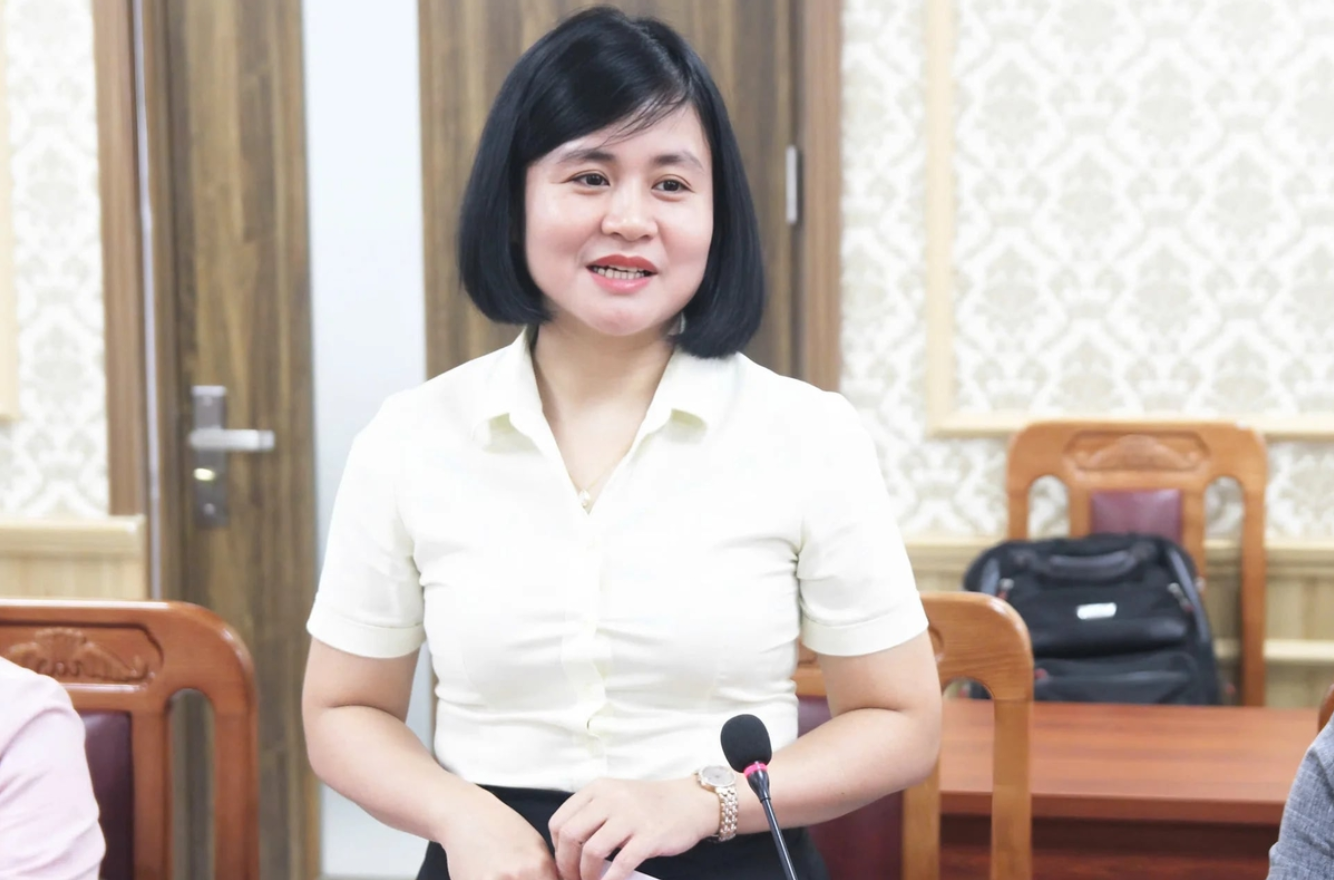 Ms. Nguyen Hong Phuong, Deputy Director of the Quang Tri Department of Agriculture and Environment, discusses local agricultural production status and the need to learn from experiences in developing high-value crops. Photo: Nguyen Nga.
Opening avenues for sustainable raw material zones
At the session, Ms. Nguyen Hong Phuong, Deputy Director of the Quang Tri Department of Agriculture and Environment, expressed her impression of Son La's positive agricultural development results, especially the crop restructuring model on sloping land.
According to Ms. Phuong, Quang Tri has a large area of forest land, with over 260,000 hectares of agricultural land. Notably, many sloping areas are primarily used for cassava cultivation, which yields low economic returns. Local farming practices remain limited, and the soil shows signs of degradation and declining productivity. Furthermore, the area dedicated to perennial industrial crops like rubber, pepper and coffee has not fully maximized its potential, especially when compared to higher-value fruit and medicinal plants.
Given this reality, following consolidation, Quang Tri province has reviewed its spatial and developmental room, orienting crop restructuring towards high-economic-value fruit and medicinal crops. The locality wishes to learn from Son La's experiences in crop restructuring on sloping land, building concentrated raw material zones, and organizing production along the value chain, thereby increasing locals' incomes.
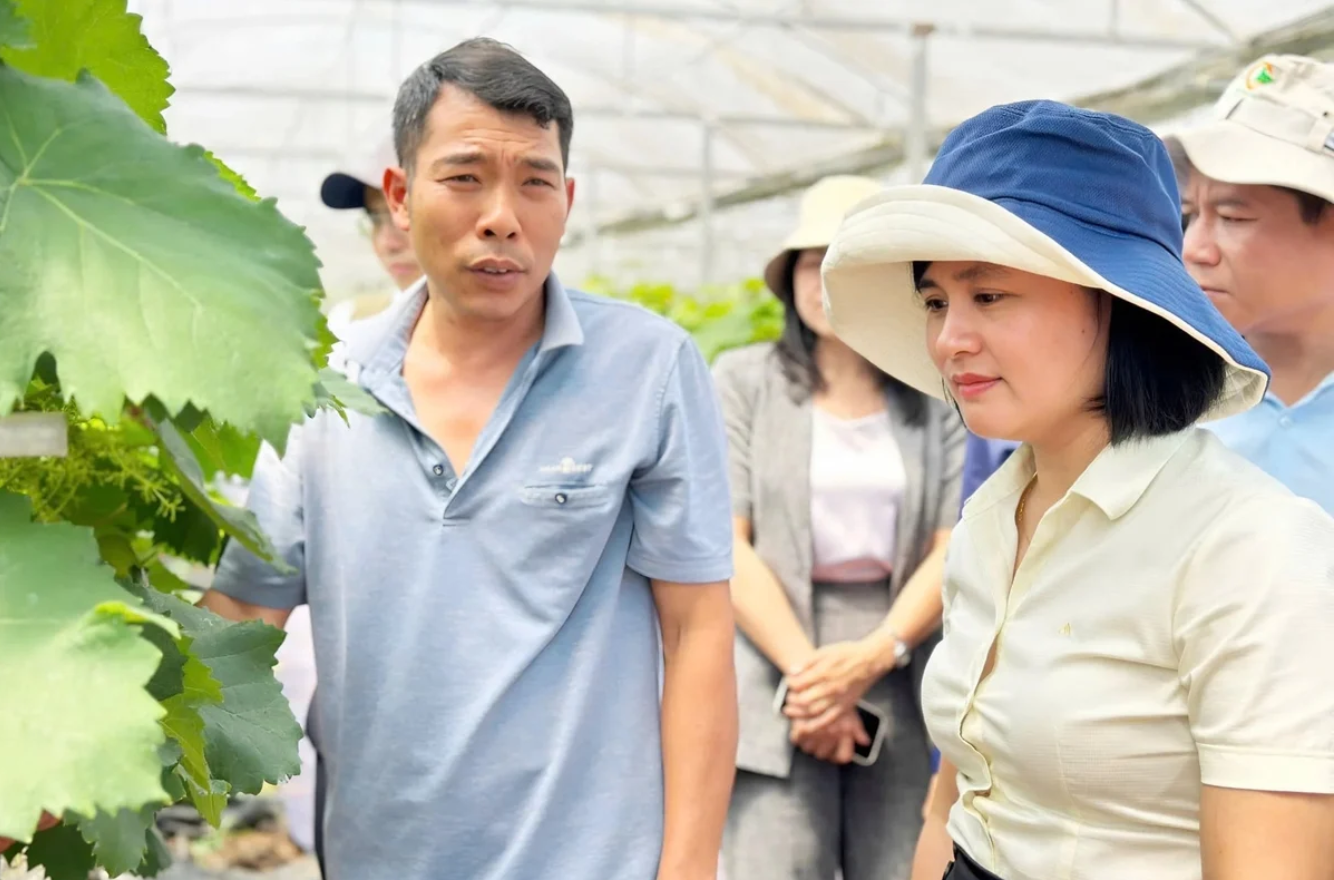 The delegation from the Quang Tri Department of Agriculture and Environment visits the Black Summer grape cultivation model at Doan Ket Cooperative, Chieng Mung commune, Son La province. Photo: Nguyen Nga.
Both sides also discussed matters related to the promulgation and implementation of mechanisms and policies to develop agricultural, forestry, and aquatic raw material zones, as well as high-tech agriculture. Topics included reorganizing production in tandem with enhancing land use efficiency; establishing planting area codes; promoting linkages among enterprises, cooperatives and farmers; and advancing trade promotion and consumer market expansion.
Through the working session, the Departments of Agriculture and Environment of the two localities agreed to continue strengthening exchange, cooperation and experience sharing in rural and agricultural development towards a modern and sustainable direction, contributing to enhanced added value and production efficiency in the coming time.
Immediately after the meeting, the delegation from the Quang Tri Department of Agriculture and Environment visited and learned practical experiences at Doan Ket Cooperative, Phuc Sinh Son La Coffee Factory and Doveco Son La Fruit and Vegetable Processing Center.