On World Water Day 2026, Save the Children not only showcases the journey of bringing clean water to schools but also spreads a powerful message of protecting children’s rights and dignity.
According to UNICEF, women and children around the world spend up to 200 million hours every day just collecting water. In many regions across Africa and South Asia, small feet must trek 4 to 6 hours daily over treacherous paths just to bring home cans of water. Every trip is a trade-off: a sacrifice of study time, health, and even personal safety.
Without clean water, children are highly vulnerable to infectious diseases such as diarrhea and intestinal infections, leading causes of child mortality that are entirely preventable. When accessing water becomes a burden, education becomes a luxury.
For girls in particular, this challenge is deeply rooted in gender inequality. When school latrines are inadequate, lack clean water, or provide no privacy, girls often feel ashamed and anxious, leading to higher absenteeism, especially during puberty. These small disruptions, when accumulated over time, can become massive barriers, causing them to fall behind in their learning and development.
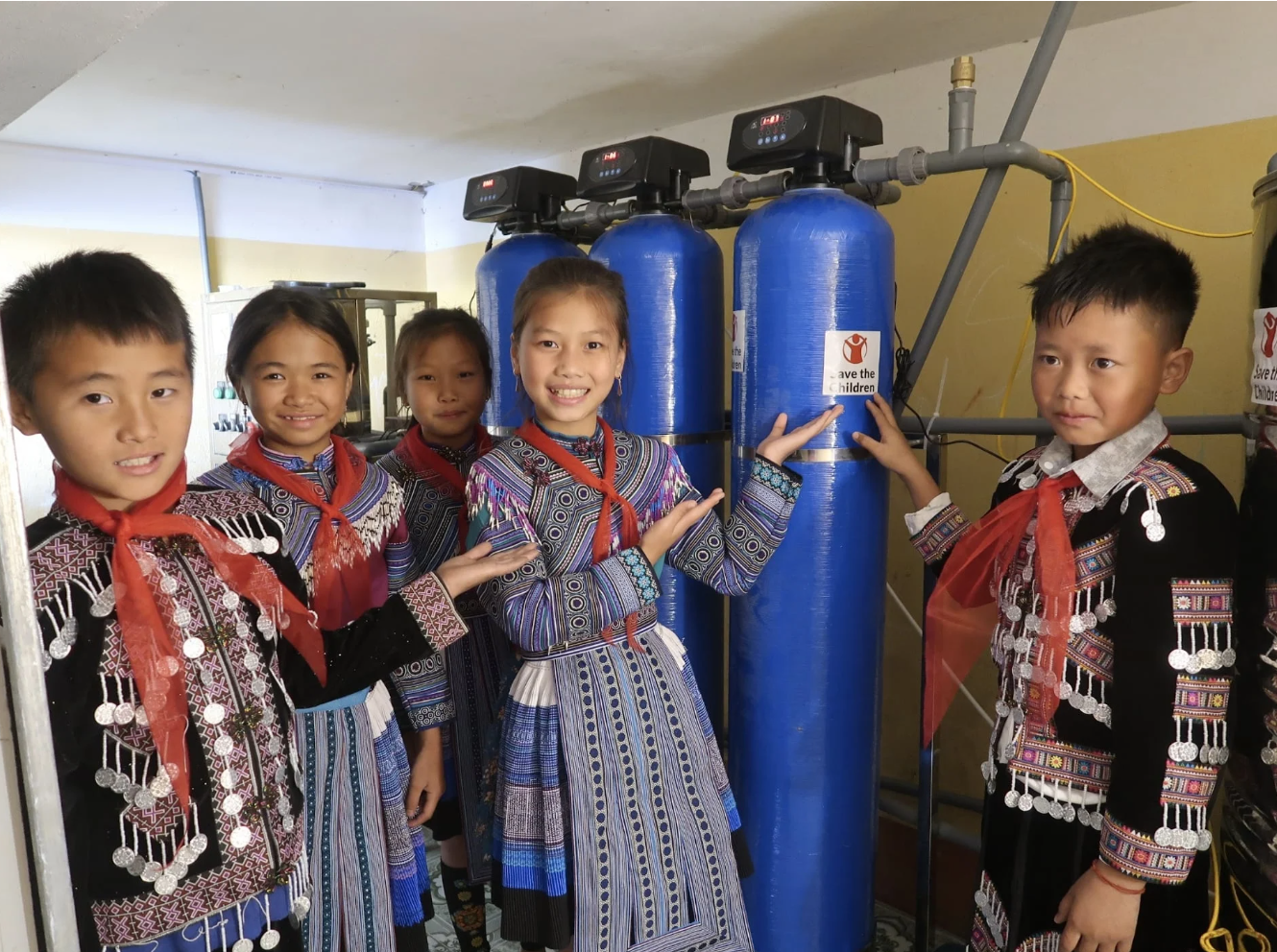 Save the Children, in collaboration with local partners, is implementing projects to improve clean water and sanitation in schools across Lao Cai. Photo: SC.
Clean Water - A fundamental right and the foundation of equality
Access to clean water is not just an essential need; it is a fundamental human right. In an educational environment, this right becomes even more critical as children spend most of their day at school.
In Viet Nam, significant progress has been made in improving clean water and sanitation in schools in recent years. However, many challenges remain in mountainous, remote areas, or regions heavily impacted by climate change, such as droughts and saltwater intrusion.
Many schools still rely on untreated water sources or degraded sanitation systems. This not only affects health but also directly impacts students' psychological well-being and academic performance.
Research by Save the Children shows that when schools are equipped with clean water systems, safe sanitation facilities, and adequate handwashing stations, students’ hygiene behaviors improve significantly. With proper hygiene practices, students become more confident, and their learning conditions are enhanced.
More importantly, clean water and sanitation in schools are not just infrastructure issues. They are a foundation for promoting gender equality, protecting children’s rights, and creating a safe and inclusive learning environment for all.
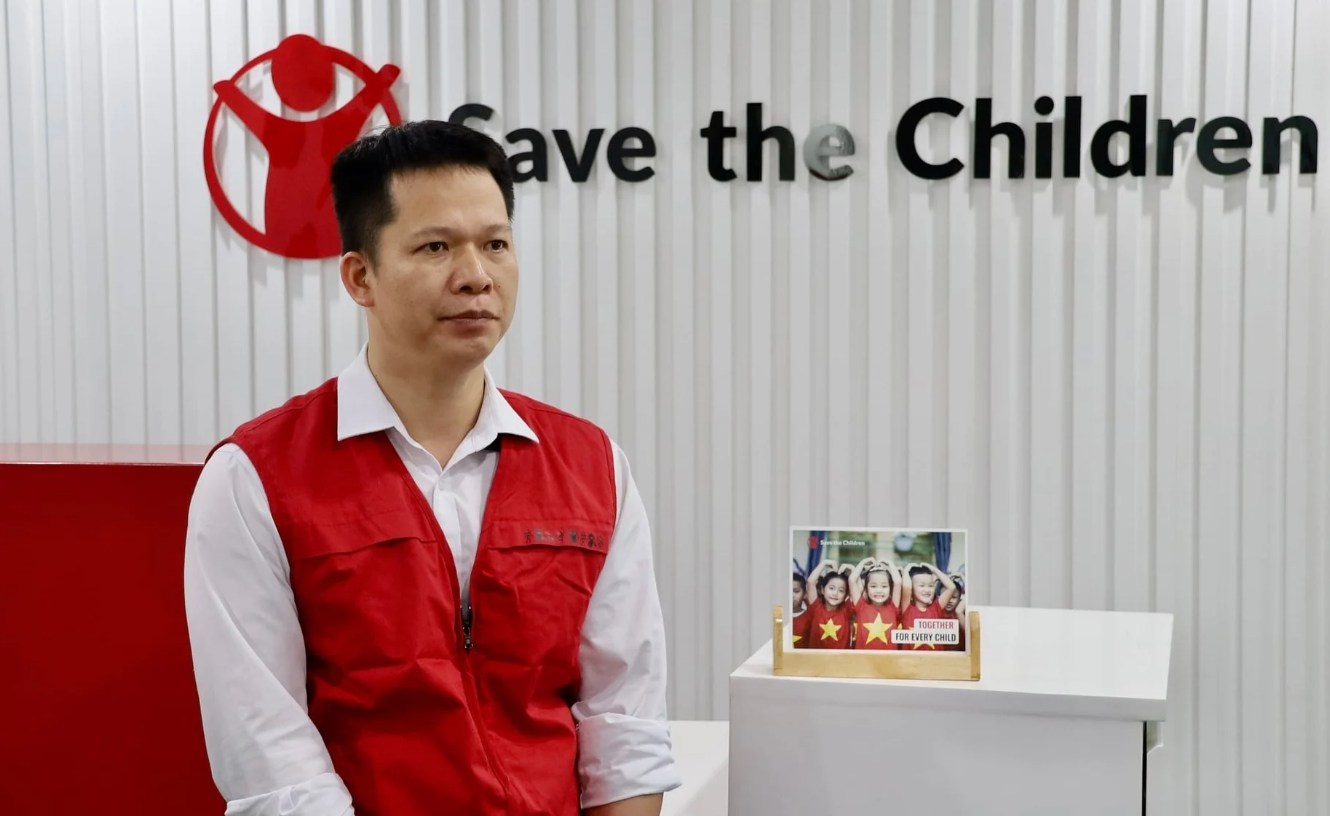 Mr. Nguyen Hai Dang, Climate Change Technical Advisor at Save the Children, emphasizes the vital importance of clean water for children. Photo: Phuong Linh.
Mr. Nguyen Hai Dang, Technical Advisor on Climate Change (SC), emphasized that for school water and sanitation facilities to operate effectively and sustainably, students, teachers, and the community all play crucial roles.
Students are not only beneficiaries but also “ambassadors” who spread positive behaviors. Through school clubs and communication activities, they actively share knowledge, practice proper handwashing, and help maintain environmental hygiene. Meanwhile, teachers provide guidance and reinforce good habits, while parents and the community help monitor and maintain the facilities. When all stakeholders are involved, clean water is not only “available” but also “properly used” and “sustainably maintained.”
“Within projects related to green school or safe school models implemented by Save the Children, students have developed many initiatives to share knowledge and promote behavioral change in maintaining school hygiene, practicing proper handwashing, and keeping school toilets and environments clean. They also actively participate in monitoring the use of water and sanitation facilities and in promoting new, positive behaviors. This enables them to take on more proactive roles, develop leadership skills, and further strengthen their contributions within the school,” he noted.
 Clean water and safe sanitation are the rights of every child. Photo: SC.
Three priorities for an equitable future
To bridge gaps in access to clean water and sanitation while promoting gender equality, experts from Save the Children emphasize the need to focus on three urgent priorities:
First, increase investment in safe, child-friendly water and sanitation facilities, while mobilizing the participation of multiple stakeholders, particularly the private sector.
Second, ensure gender considerations are integrated into the design and operation of these facilities, and listen to children’s voices so that solutions truly meet their needs.
Third, strengthen education and behavior change communication, not only on personal hygiene but also on reproductive health, especially for adolescent girls.
“Clean water and safe sanitation in schools are a critical foundation for ensuring children’s health, development, and learning opportunities. Through practical models implemented by Save the Children in Lao Cai, Ca Mau, and Quang Tri, we have helped improve children’s access to clean water and sanitation and enhanced students’ hygiene practices. We believe that when schools improve their water and sanitation systems, children, especially girls, are better able to learn and thrive.
On the occasion of World Water Day 2026, my colleagues and I at Save the Children hope that every child, wherever they are, can go to school with confidence and safety thanks to access to clean water and appropriate sanitation facilities. Clean water and safe sanitation are the rights of every child. Investing in water and sanitation is a key solution to promoting gender equality and ensuring a healthy, sustainable, and climate-resilient future for children in Viet Nam,” Mr. Nguyen Hai Dang expressed.