The Can Gio protection forest will implement an eco-tourism, resort, and recreational model with four routes and seven sites, expected to generate tourism revenue of approximately VND 300-600 billion per year.
The Ho Chi Minh City People’s Committee has issued Decision No. 1433/QD-UBND approving the eco-tourism, resort, and recreational development project for the Can Gio protection forest through 2030, proposed by the Management Board of Protection and Special-use Forests of Ho Chi Minh City.
The project covers more than 34,800 hectares, with tourism activities primarily in the mangrove forest ecosystem, which features scenic landscapes and rich biodiversity, making it suitable for tourism, leisure, recreation, and environmental education.
All activities will be implemented in compliance with applicable laws and regulations governing forestry, land, environmental protection, culture, and tourism. The development orientation aligns with national strategies and nature conservation goals, ensuring that tourism development does not negatively affect forest management, protection, development, or biodiversity.
Tourism development will also ensure that cultural and historical values are preserved, without negatively impacting the heritage and traditions of local communities; it will not affect state ownership of forests and natural resources both above and below ground; nor will it harm national defense, security, scenic sites, or historical and cultural relics.
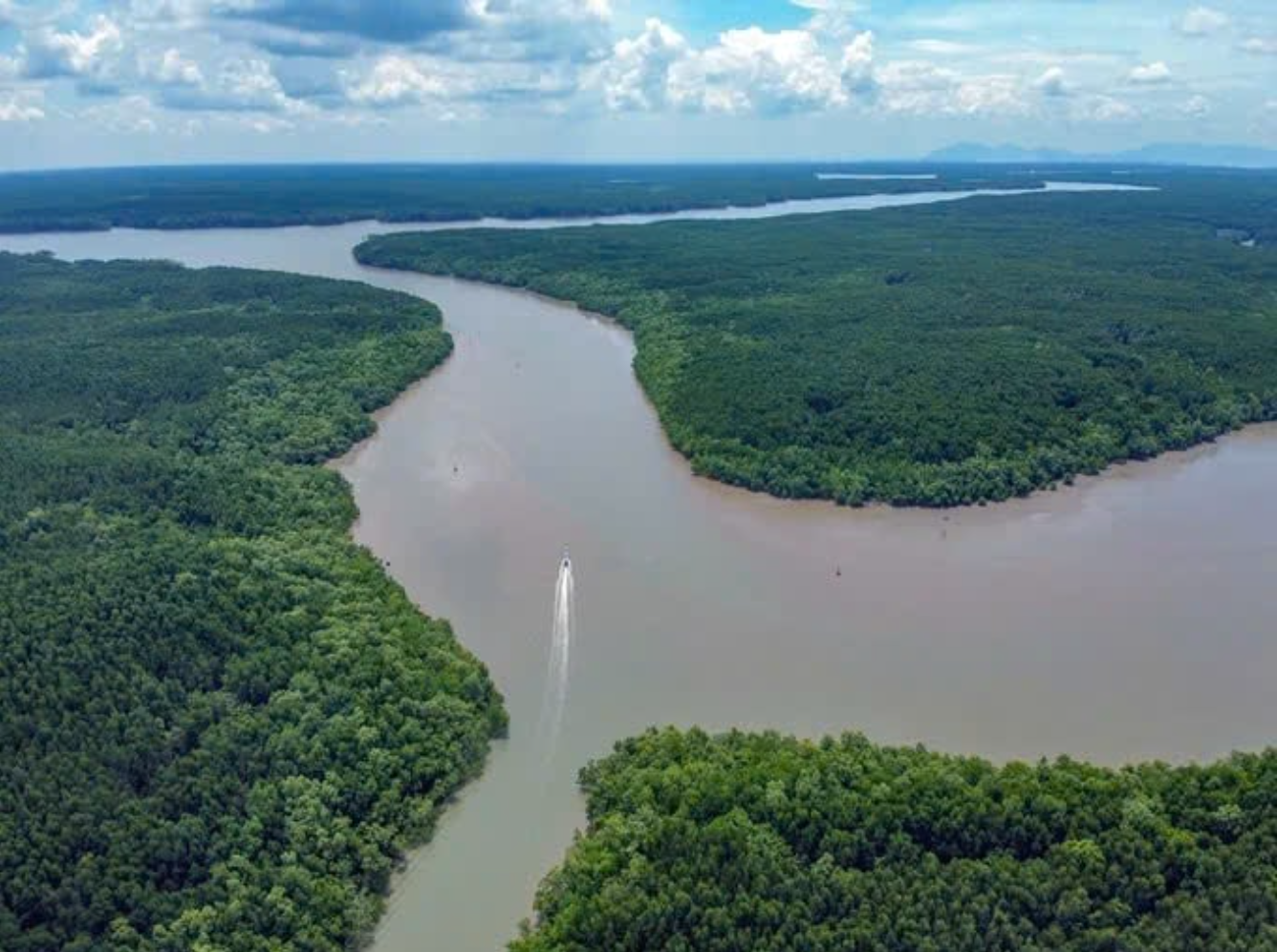 The tourism area is primarily a mangrove forest ecosystem with scenic landscapes and rich flora and fauna. Photo: Can Gio Forest Management Board.
The project sets a target that by 2030 and beyond, the Can Gio protection forest will welcome around 400,000 - 500,000 visitors per year, with an average annual growth rate of 12 - 15%, generating tourism revenue of approximately VND 300-600 billion per year.
Ho Chi Minh City plans to develop four eco-tourism, resort, and recreational routes in the Can Gio protection forest:
Route 1: Eco-tourism sightseeing from Dan Xay to Vam Sat Eco-tourism Site (about 11.47 km).
Route 2: Dan Xay Eco-tourism Site to the mangrove forest management sub-zone in Binh Khanh and Thanh An (about 20.47 km).
Route 3: Dan Xay Eco-tourism Site to Thieng Lieng community-based tourism site (about 9.75 km).
Route 4: Inter-regional tourism route connecting communes and wards in the area (about 11.79 km).
These routes are currently existing trails, forest protection patrol paths, inland waterways, and local access roads.
In addition, seven eco-tourism, resort, and recreational sites will be developed at different locations, with tourism service facilities capped at a maximum height of 18 meters.
The total estimated investment exceeds VND 1.6 trillion, sourced from both the state budget and private sector funding.
$ 1 = VND 26.050 - Source: Vietcombank.