This investment aims to provide capital for climate-focused Vietnamese businesses and strengthen the climate investment market in Viet Nam.
The Australian Government has announced a commitment of up to US$10 million for venture capital firm Do Ventures Fund II, providing capital for climate-focused Vietnamese businesses and strengthening Viet Nam's climate investment market to attract greater private finance.
The investment will support early and growth-stage small and medium enterprises (SMEs), driving Viet Nam's energy transition and climate adaptation across manufacturing, sustainable consumption, and AI-enabled climate solutions. It is the first commitment by Australian Development Investments (ADI) under its Viet Nam investment window.
Through its support for Do Ventures Fund II, a women-led venture capital fund, the Australian Development Investments (ADI) initiative aims to help address structural barriers in the investment sector. Currently, women account for only 11% of senior investment professionals in private equity and venture capital across emerging markets.
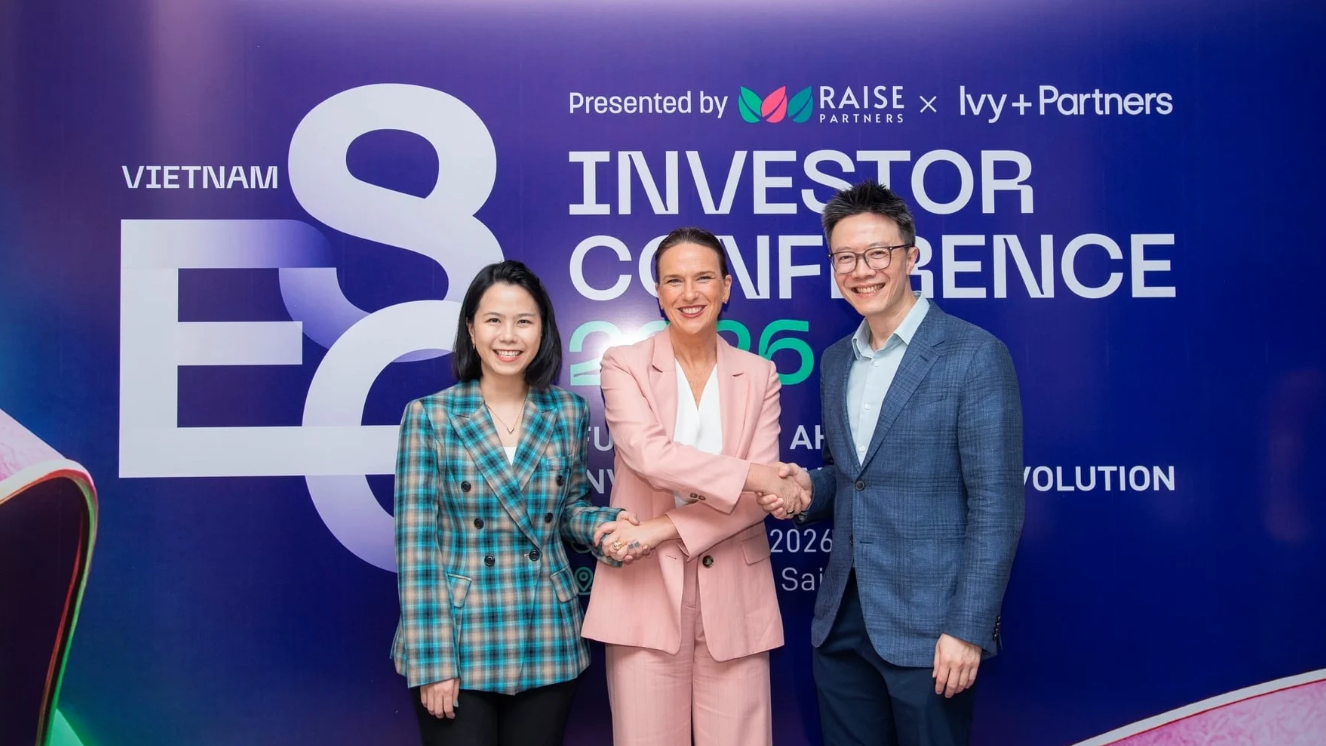 Kate Wallace, Australian Consul General in Ho Chi Minh City (center), together with Archer Goh, Managing Partner and Director of Sustainability at Do Ventures, and Le Hoang Uyen Vy, Managing Partner of Do Ventures. Photo: Australian Embassy in Viet Nam.
Viet Nam represents 40% of ADI's current portfolio. Across five investment funds, ADI drives growth in 26 Vietnam-based SMEs, supporting 5,781 jobs, improving access to finance for 260,000 small entrepreneurs, and installing 19.2 MW of new solar capacity.
According to Australian Ambassador to Viet Nam Gillian Bird, Australia is a trusted partner of Viet Nam in supporting the country’s energy transition and climate change adaptation efforts. This commitment will help strengthen Viet Nam’s climate investment market and attract additional private financing to advance climate solutions.
“This commitment allows us to strengthen our portfolio of climate investments and support more Vietnamese founders seeking to pioneer innovative and sustainable climate solutions,” said Vy Le, General Partner of Do Ventures. “With ADI's catalytic support, our Fund II can enable more startups to scale and create positive climate impact.”
ADI will also work with Do Ventures to strengthen its climate investment capabilities, including Environmental, Social and Governance practices and impact measurement, to support the fund and its portfolio companies to grow and perform over time.
ADI is the Australian Government’s flagship AU$250 million impact investment fund, deploying capital and technical assistance to mobilise private investment and deliver climate and gender outcomes at scale. For more information visit: https://adi.fund.