Farmers no longer have to rely on guesswork, AI is now working alongside them in the field, helping them farm more easily, secure better harvests and earn higher prices.
Artificial intelligence (AI) has begun to “roll up its sleeves” and work alongside farmers, helping them detect pests and keep production records to required standards. Smart traps placed in fields and smartphone applications are making farming less labor-intensive, cutting costs and making agricultural products easier to sell at better prices.
Smart traps detect pests while protecting beneficial insects
In the past, farmers had to go into the fields to count pests and estimate when to spray pesticides. Now, RYNAN InSentinel smart insect traps, developed by Vietnamese and Australian scientists, can do much of this work automatically. Placed in the field, each trap acts as a watchful eye, taking pictures, counting insects and identifying pests before sending the results directly to farmers’ phones through the MEKONG app.
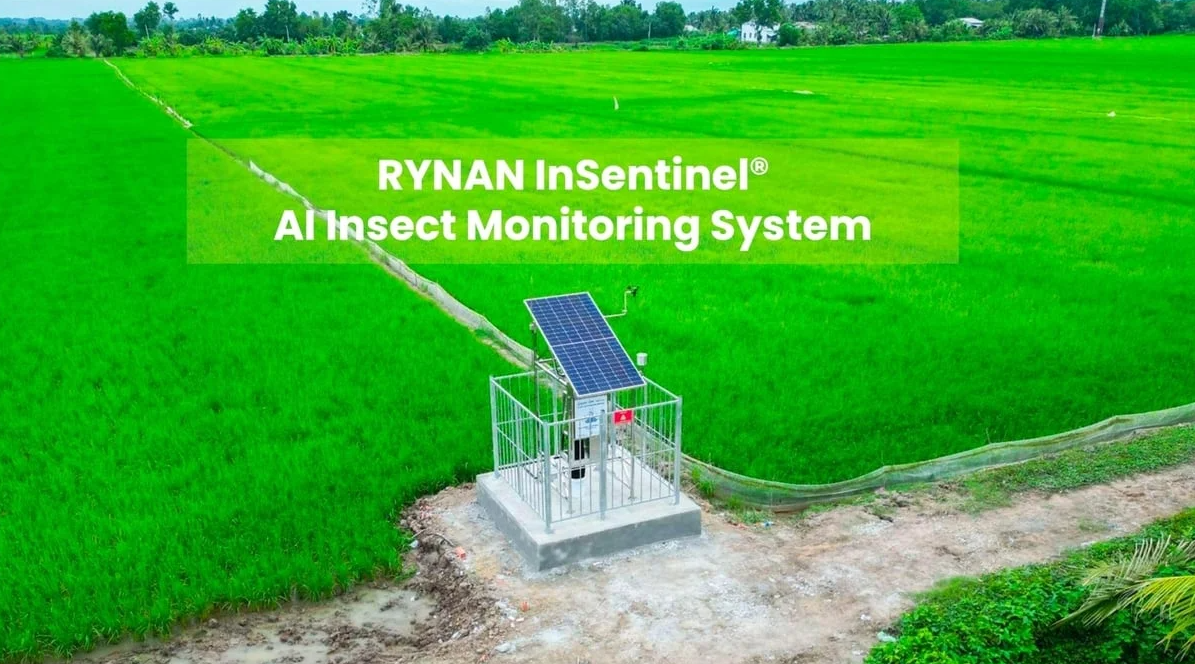 The system uses multicolor LED lights and biological pheromones to attract insects into a trap. A built-in camera then takes pictures, allowing AI to identify and count insects and distinguish pests from beneficial species. The data is uploaded in real time to a cloud-based system through 4G or Wi-Fi. Photo: VietFruitRise
More than 100 smart insect traps have been installed on a trial basis in rice and fruit-growing areas in Dong Thap, Long An, Vinh Long, Lam Dong, Phu Yen and Nghe An, among other provinces. The system can currently identify more than 148 insect species and continues to learn as its database expands. These include pests such as brown planthoppers and leaf rollers, as well as beneficial insects such as rove beetles and Cyrtorhinus lividipennis, a natural predator of rice pests.
Farmers can use their phones or computers to monitor pest populations in real time. When pest numbers rise above a harmful threshold, the system sends an alert and suggests when control measures should be taken. If pest numbers remain low or beneficial insects are thriving, however, the AI recommends holding off on pesticide spraying. This approach can reduce input costs and unnecessary pesticide use while protecting beneficial insects and helping maintain a healthier farm ecosystem.
Dr. Vo Doan Thang of the University of Queensland in Australia, co-leader of the VietFruitRise project, said increasingly unpredictable weather was making pest outbreaks harder to anticipate. Using AI-powered traps in the field gives farmers accurate, real-time data on their phones, allowing them to make the right decisions at the right time for their farms.
V-STANDARD helps farmers keep records and prove where their produce comes from
Managing pests is only part of the challenge. Another major hurdle for farmers seeking better prices or access to demanding markets such as Europe and Japan is certification and traceability.
Handwritten farm records take time, are prone to errors and can leave inspectors and certifiers spending weeks checking and verifying information. With the V-STANDARD assistant, farmers can record their daily activities directly on their phones, either by typing or using voice input.
AI then checks the information against production standards such as VietGAP and GlobalGAP, as well as the specific requirements of individual export markets. If the system detects a potential problem, such as an insufficient pesticide pre-harvest interval or missing information in the farm records, it immediately sends an alert so farmers can correct the issue in time. At the end of the growing season, all the information is compiled into a digital file that can be used for certification and traceability.
According to the research team, digitizing the process helped 19 participating cooperatives cut the time needed to prepare and process certification documents by 40% compared with traditional methods. Each batch of produce is also assigned a QR code, allowing businesses, regulators and consumers to trace information about the growing area, farming practices and inputs used. The research team hopes the system will ease the paperwork burden on smallholder farmers, improve transparency and help them meet increasingly strict export requirements.
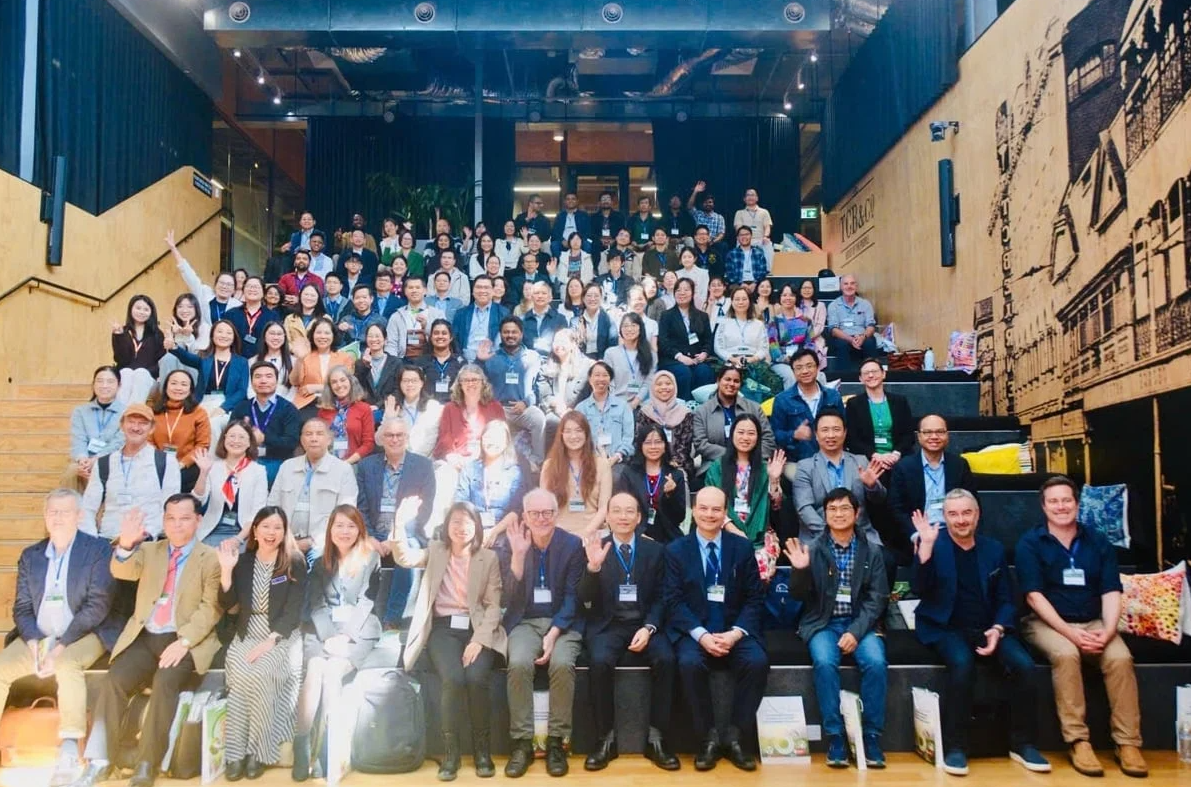 AVCSSA 2026 brought together Vietnamese and Australian scientists to share research findings, strengthen cooperation and promote technology transfer for smart and sustainable agriculture. Photo: AVCSSA 2026.
Mr. Robert Henry, Emeritus Professor of the University of Queensland, said cooperation between Viet Nam and Australia in smart and sustainable agriculture could help drive the innovation needed to address the impacts of climate change and meet future consumer demand.
“Cooperation between Viet Nam and Australia in smart and sustainable agriculture will help drive the innovation needed to respond to the impacts of climate change and meet the needs of consumers in the future,” he said.
AI is not here to replace farmers. Instead, it can become a trusted partner, helping them work more easily, achieve better harvests and earn better returns.