The event creates an open and trusted forum where stakeholders with the responsibility and capacity to act can engage in candid exchanges, listen to one another, and explore opportunities for cooperation.
On the afternoon of October 5, the Gia Lai Provincial People’s Committee held a press conference to introduce the “2026 Quy Nhon Dialogue on Climate and Transition.” The event will take place on October 10-11 at the International Center for Interdisciplinary Science and Education (ICISE) in Quy Nhon Nam Ward.
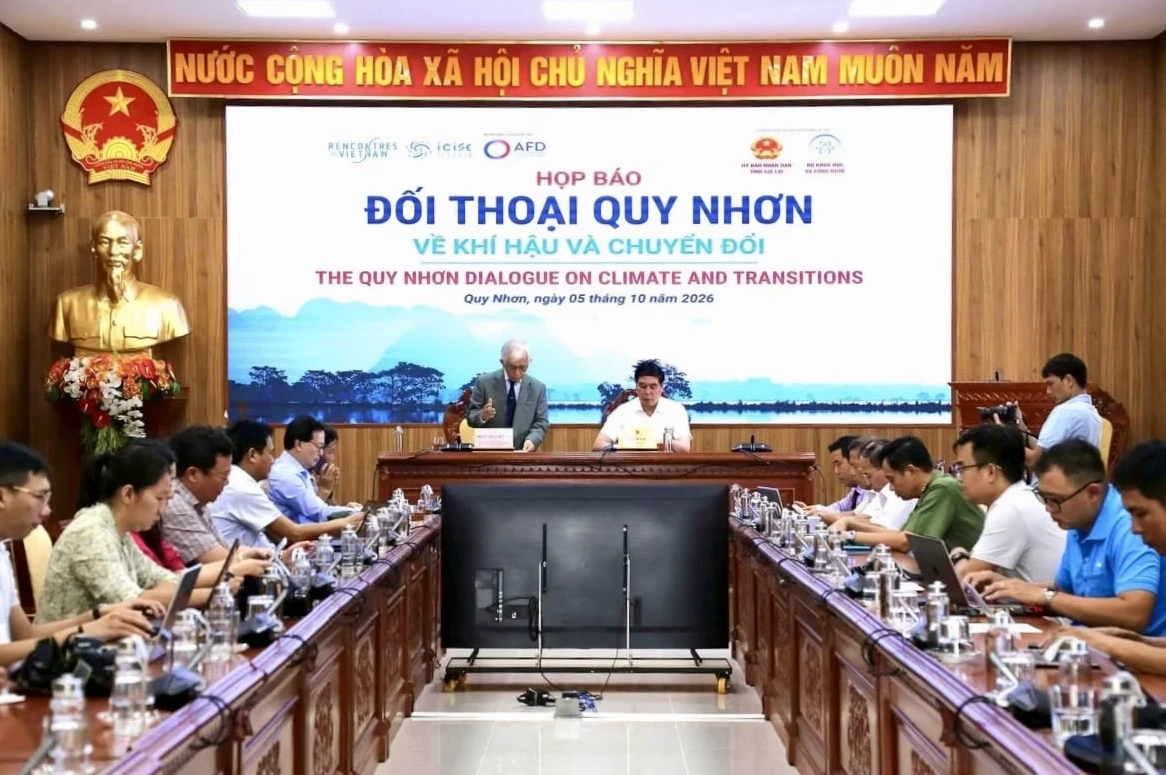 Overview of the press conference. Photo: V.D.T.
The 2026 Quy Nhon Dialogue is expected to bring together more than 100 senior delegates from Viet Nam, Southeast Asian countries, and international partners, including representatives from governments, international organizations, financial institutions, development banks, businesses, and the scientific community.
According to Professor Tran Thanh Van, President of the Viet Nam Meeting Association for Science and Director of ICISE, the first “Quy Nhon Dialogue on Climate and Transition” builds on an approach that the Viet Nam Meeting Association for Science and ICISE have pursued for nearly two decades: creating a space in Quy Nhon where Vietnamese and international scientists can meet, exchange ideas, and collaborate for science, peace, and the future of humanity.
Professor Tran Thanh Van expressed his hope that initiatives emerging from the dialogue will continue to develop into concrete activities in areas including climate finance, adaptation, energy, technology, and research.
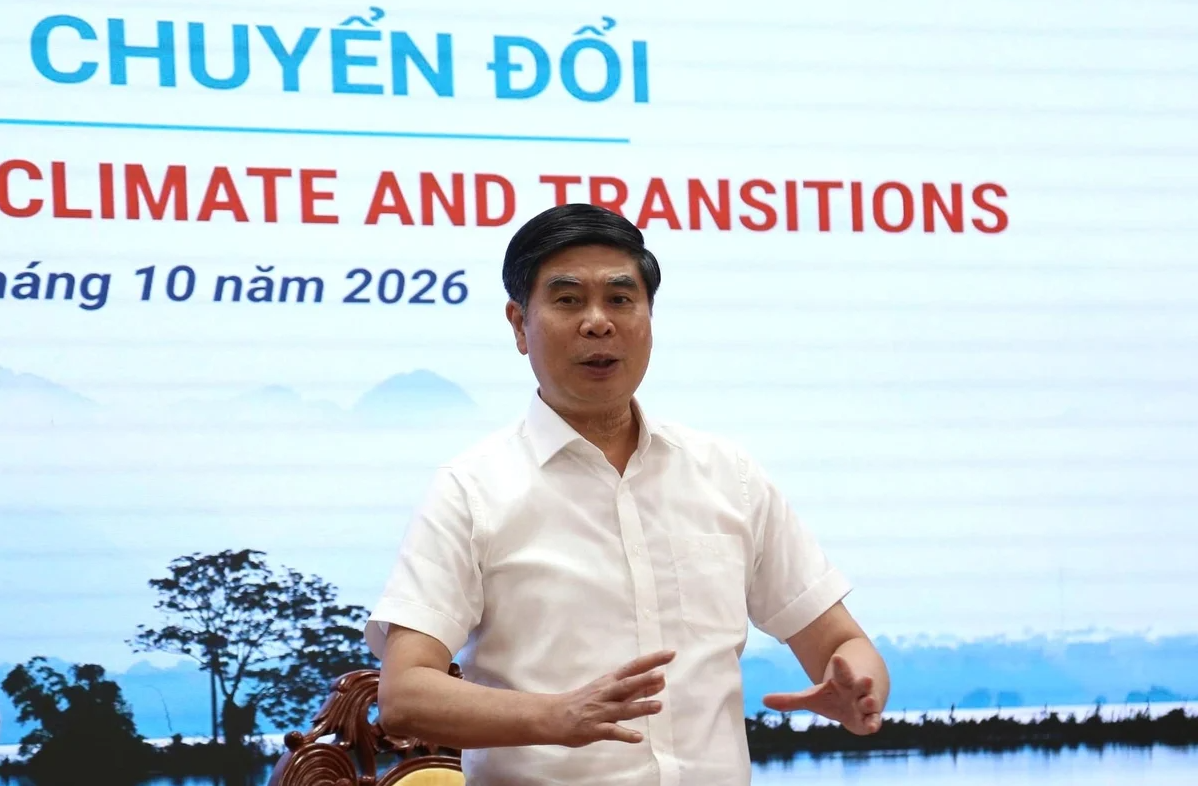 Vice Chairman of the Gia Lai Provincial People’s Committee Lam Hai Giang speaks at the press conference. Photo: V.D.T.
Lam Hai Giang, Vice Chairman of the Gia Lai Provincial People’s Committee, said that the “Quy Nhon Dialogue on Climate and Transition” aims to create a space for policymakers, scientists, experts, international organizations, and financial institutions to exchange views on emerging challenges in addressing climate change and advancing the transition.
According to Mr. Giang, climate change is no longer a future problem but is already directly affecting people’s lives and countries' socio-economic development. It is also no longer solely an environmental issue, but one that concerns multiple sectors, from energy, finance, and production to economic development and people’s livelihoods. Therefore, addressing climate change requires the engagement of multiple stakeholders and new approaches tailored to real-world conditions.
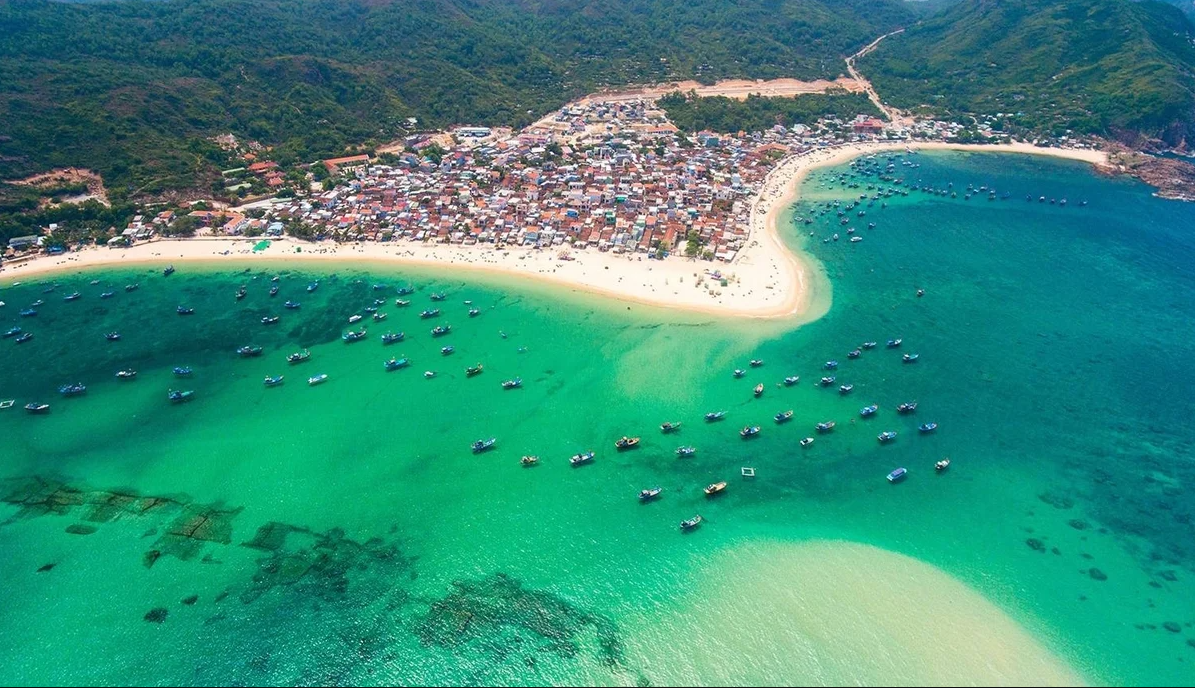 “Quy Nhon Dialogue on Climate and Transition” aims to create a space for stakeholders.
The Vice Chairman of the Gia Lai Provincial People’s Committee expressed hope that information about the 2026 “Quy Nhon Dialogue on Climate and Transition” will help the public better understand the forum’s objectives, significance, and key topics of discussion. This, in turn, will help raise public awareness of climate change and the transition process, while gradually building the reputation and profile of the “Quy Nhon Dialogue” in future editions.