Reducing plastic pollution requires integrated solutions, recognizing and strengthening the critical role of informal sector throughout recycling value chain.
On August 4, the Ministry of Agriculture and Environment, in collaboration with UNDP Viet Nam, convened a roundtable on “Industry Perspectives on Advancing Plastic Circularity in Viet Nam.”
Businesses take the lead in innovation
Ramla Khalidi, UNDP Resident Representative in Viet Nam, said that the transition to a circular plastic economy is fundamentally about economic transformation. It is about how Viet Nam can strengthen its competitiveness in a rapidly changing global marketplace. It is about creating new industries, generating green jobs, increasing resource efficiency, reducing dependence on virgin materials, and attracting the investment needed for sustainable growth.
She noted: “Viet Nam has demonstrated strong leadership in this transition. The Government has established an ambitious policy framework, including Circular Economy Action Plan, Extended Producer Responsibility and commitments to reduce plastic pollution under the NPAP framework.”
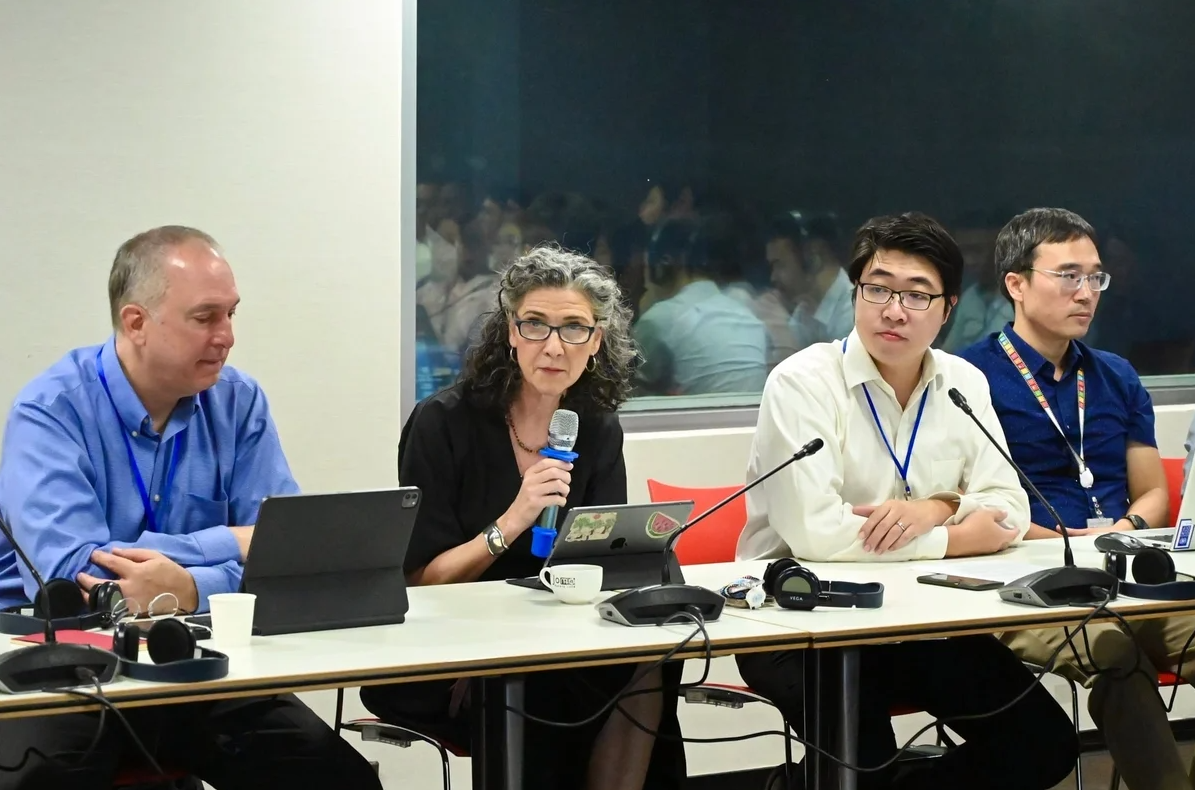 Ramla Khalidi, UNDP Resident Representative in Viet Nam delivered opening remarks. Photo: Kieu Chi.
The private sector embraces a new mindset
The business community has made significant progress in its approach to environmental issues. Rather than viewing environmental protection merely as a compliance obligation, many companies now see green transformation and the circular economy as integral to their long-term development strategies.
According to Vu Duc Quang Dam, Deputy Director General of the International Cooperation Department, an increasing number of businesses are investing in advanced recycling technologies, expanding the use of post-consumer recycled plastics, designing packaging that is easier to recycle, reducing reliance on virgin plastics, and gradually building circular supply chains.
Despite the private sector's growing commitment to circularity, significant barriers remain to building an effective circular plastics value chain. With plastic recycling rates estimated at only 10-15%, the country's collection system still relies heavily on the informal sector, including independent waste pickers and scrap dealers.
These workers are on the front lines of recovering recyclable materials, yet they have not been fully integrated into the formal waste management system.
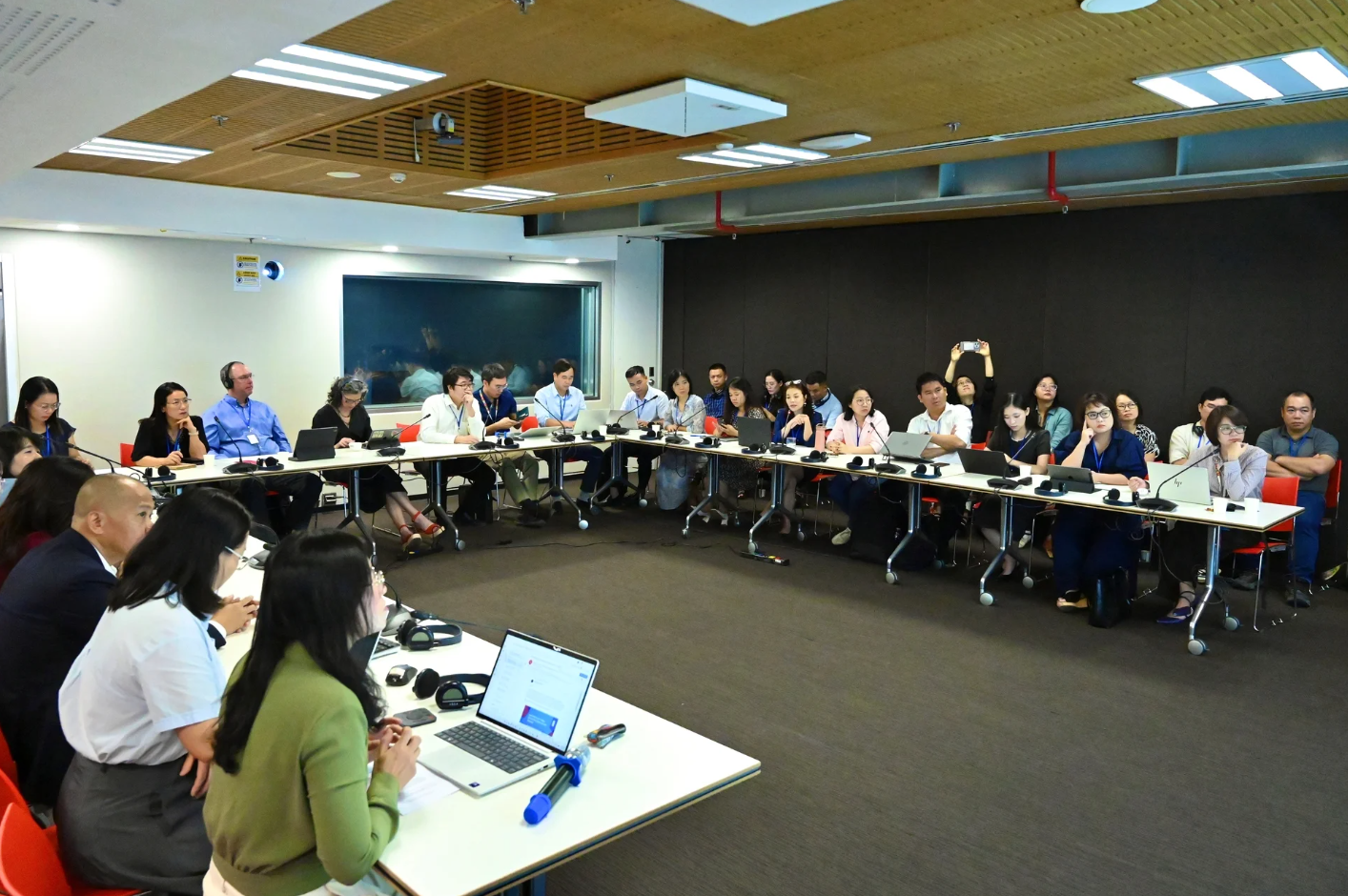 The consultation brought together government agencies, businesses, and international partners to review and update the NPAP roadmap. Photo: Kieu Chi
PepsiCo's experience in recycling flexible plastic packaging highlights the same challenge. While demand for post-consumer recycled plastics continues to grow, so too do pressures arising from imported plastic scrap and rising prices of recycled feedstock.
Reducing plastic pollution therefore requires far more than expanding recycling capacity. It demands an integrated approach that strengthens the entire value chain from collection and source segregation to recycling. The quality of waste sorting at the source is critical to improving recycling efficiency and increasing the use of domestically recycled plastics.
Providing an update from Hanoi Urban Environment One Member Co., Ltd. (URENCO), Vice General Director Nguyen Thanh Son said the company currently collects around 16 tonnes of recyclable waste each day.
Transforming without disrupting livelihoods
As informal waste collectors continue to play a frontline role in material recovery, any transition must not only be convenient for households but also safeguard the livelihoods of informal workers.
This requires the gradual integration of the informal workforce into the formal recycling value chain, alongside investments in collection and recycling infrastructure, improved financing mechanisms, and effective implementation of Extended Producer Responsibility (EPR). Together, these measures will help accelerate the sustainable development of a circular plastics economy in Viet Nam.
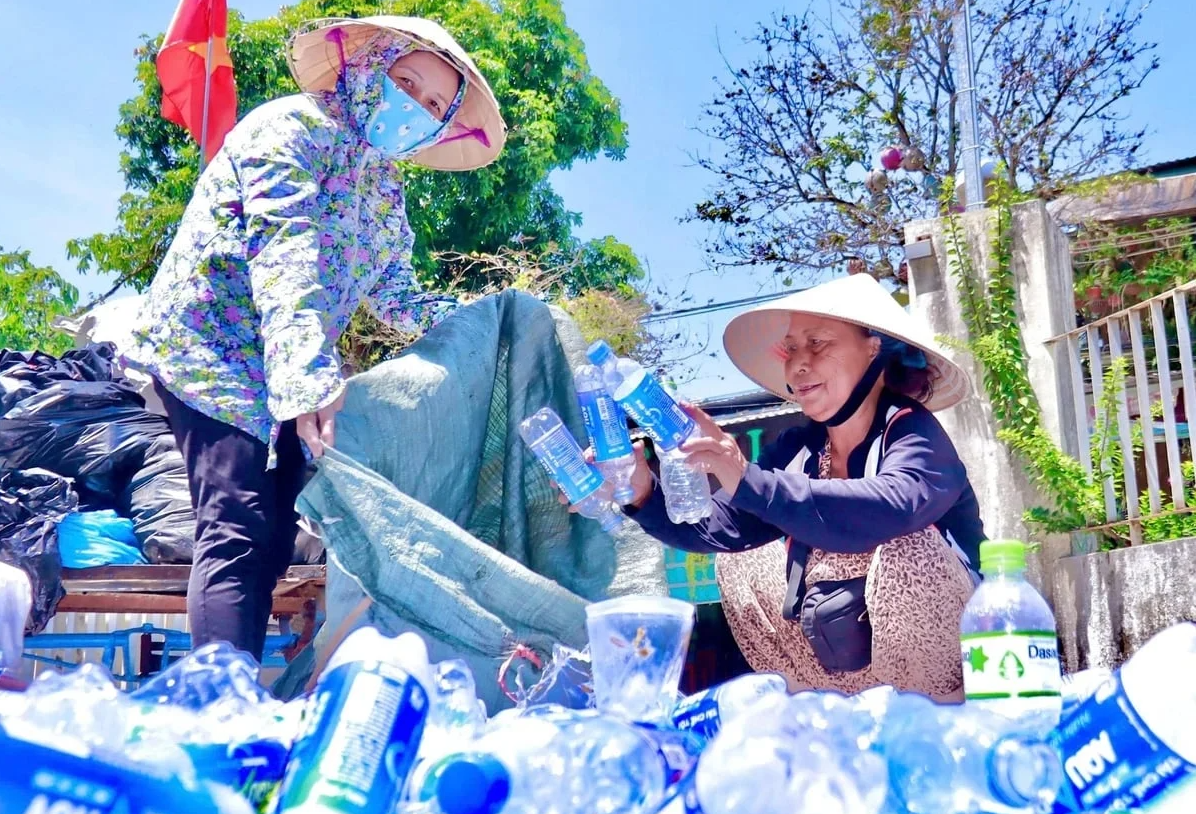 Circular economy models must be convenient for consumers while safeguarding the livelihoods of informal waste workers. Photo: Van Dinh.