Following adjustments to its provincial master plan, Lao Cai has identified agriculture and environmental sectors as priority areas for investment to better leverage its competitive advantages.
Agriculture and environment as key pillars
Under the revised Lao Cai Provincial Plan for 2021 - 2030, with a vision to 2050, the province has set a clear development direction centered on green, sustainable growth. Agriculture and environmental sectors are positioned as key priorities to generate new momentum for the local economy.
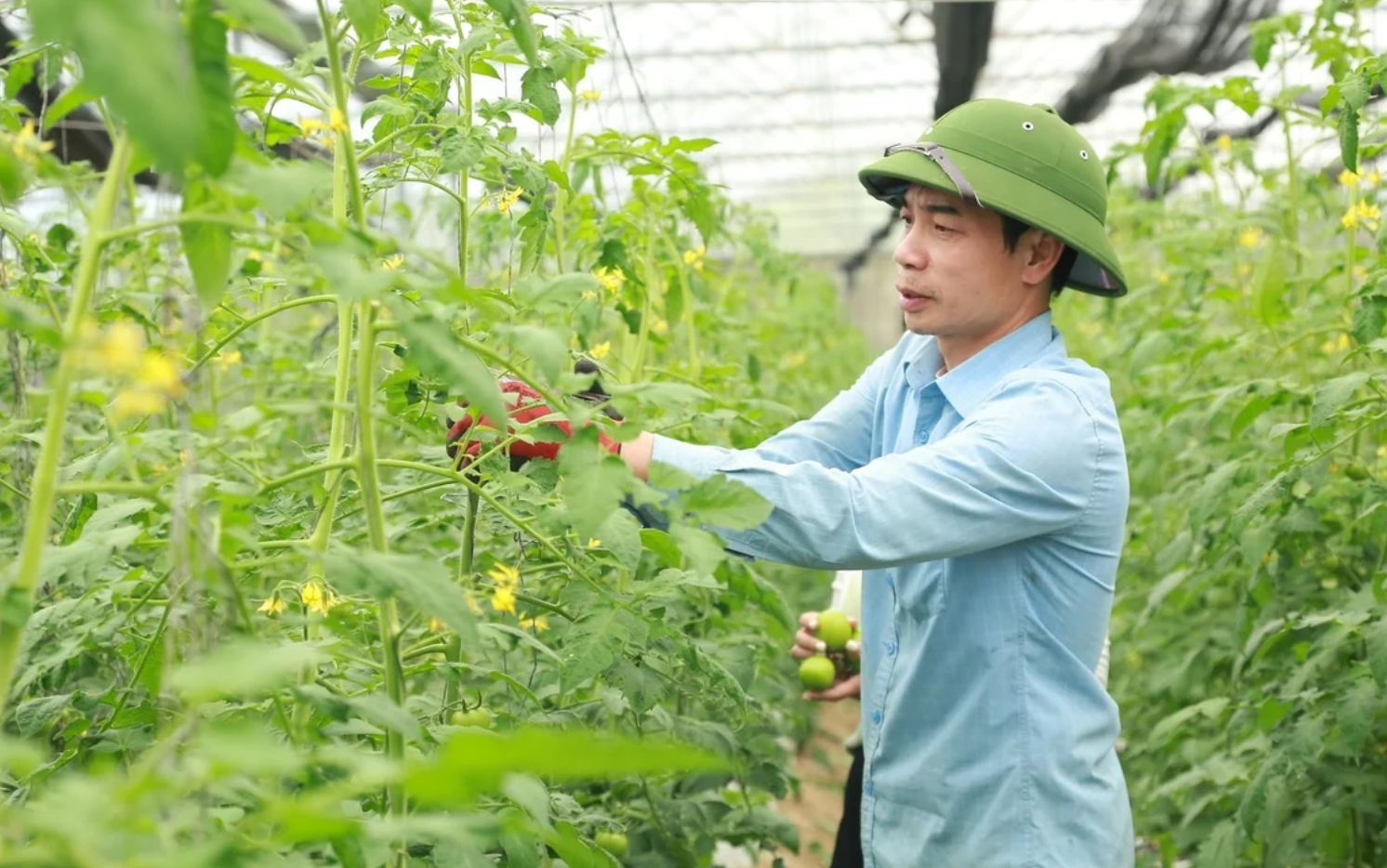 Lao Cai possesses significant advantages for agricultural development. Photo: Thanh Nga.
According to the plan, Lao Cai has announced 196 priority investment projects across critical sectors, including industrial infrastructure, energy, and services. Notably, projects related to high-tech agriculture and environmental protection stand out as strategic priorities aimed at maximizing existing potential while creating higher value-added for the economy.
Tran Minh Sang, Director of the provincial Department of Agriculture and Environment, said Lao Cai holds significant advantages for agricultural development. With a large natural land area, much of it designated for forestry and diverse climatic conditions, the province is well-suited for cultivating specialty crops, particularly medicinal plants, tea, cinnamon, and other high-value agricultural products.
In addition, the Red River and Chay River systems provide abundant water resources, supporting agricultural production and broader economic activities. Its position as an international trade gateway, especially with China, also presents strong opportunities for agricultural exports and investment inflows.
 In the coming period, the focus will be on developing concentrated production zones for high-tech and organic agriculture. For the environmental and mining sectors, the province plans to pursue selective extraction, efficient resource use, and prioritize on-site deep processing while strictly controlling environmental impacts. Photo: Thanh Nga.
Currently, the province has 360 enterprises, 804 cooperatives, 2,801 cooperative groups, more than 1,000 agro-forestry processing facilities, and over 605 OCOP (One Commune One Product) items, figures that underscore a solid foundation for scaling up production and improving quality.
“In the coming period, development will focus on establishing concentrated production zones for high-quality medicinal plants, tea, and cinnamon, alongside promoting high-tech and organic agriculture,” Sang said. “At the same time, we aim to attract businesses to invest in deep processing and build sustainable value chains.”
For the environmental and mining sectors, the province plans to pursue selective extraction, efficient resource use, and prioritize on-site deep processing while strictly controlling environmental impacts. Environmental restoration after extraction will be mandatory to ensure long-term sustainability, he added.
Creating a favorable investment climate
To achieve these goals, Lao Cai has been implementing a range of coordinated measures to attract investment, particularly in the agriculture and environmental sectors.
First, the province is focusing on building and completing comprehensive databases on land, minerals, environment, and agriculture. Publicly disclosing project portfolios enhances transparency and allows investors easier access to information, thereby improving the investment climate.
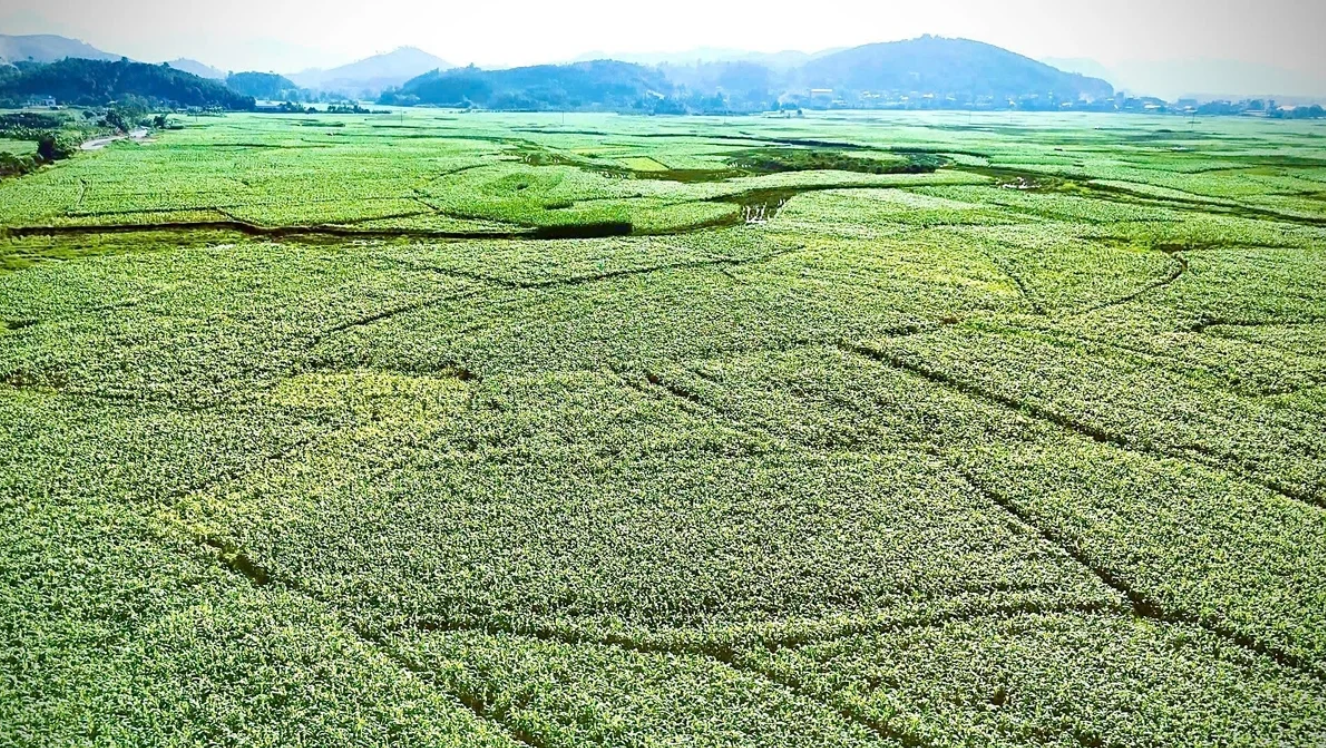 Lao Cai is also prioritizing investment in raw material zones, logistics systems, and industrial parks and clusters to facilitate business operations. These are key factors in enhancing competitiveness and attracting strategic investors. Photo: Thanh Nga.
Administrative reform is also being accelerated, with efforts to simplify procedures and shorten processing times. The effective implementation of a “one-stop-shop” mechanism and improved online public services help reduce costs and time for businesses.
Investment incentives are being strengthened, including support for infrastructure development, site clearance, tax incentives, and land rental preferences. At the same time, the province has introduced policies to encourage agricultural and forestry development, particularly in medicinal plants and high-value agricultural production.
Building on these efforts, Lao Cai is also placing greater emphasis on improving institutional capacity and governance quality to ensure that investment projects are implemented efficiently and transparently. Authorities are strengthening coordination among departments and localities, enhancing accountability in project appraisal and oversight, and proactively addressing bottlenecks that may arise during implementation.
At the same time, the province is working to develop a skilled workforce aligned with the needs of modern agriculture and environmentally sustainable industries. Training programs are being expanded in partnership with enterprises and educational institutions, focusing on technical skills, digital applications, and value chain management. This is expected to help local labor better meet investor demand while increasing productivity and income.
Digital transformation is another pillar of Lao Cai’s strategy. The province is accelerating the application of digital technologies in agricultural production, land management, environmental monitoring, and public administration. Smart agriculture models, traceability systems, and data-driven decision-making are gradually being introduced, contributing to greater efficiency, transparency, and market access—particularly for export-oriented products.
In parallel, Lao Cai is promoting stronger linkages between farmers, cooperatives, and enterprises to form integrated value chains. By encouraging contract farming, public–private partnerships, and cluster-based production, the province aims to reduce fragmentation, improve product quality, and enhance resilience against market fluctuations.
Sustainability remains a central guiding principle. Beyond economic gains, Lao Cai is seeking to balance development with environmental protection and social inclusion. Projects are being screened more rigorously for environmental compliance, while initiatives that support ethnic minority communities, climate adaptation, and biodiversity conservation are being prioritized.
Taken together, these measures reflect a comprehensive approach that goes beyond attracting capital to fostering long-term, high-quality growth. As Lao Cai continues to refine its development model, it is positioning itself not only as a destination for investment, but as a regional hub for green agriculture and sustainable resource management.