The Vietnamese Ambassador to Brazil proposed expanding cooperation in highly complementary sectors, including sustainable agriculture, fisheries, processed food, and renewable energy.
On July 9 (local time), the Embassy of Viet Nam in Brazil organized a seminar to share updates on Viet Nam - Brazil economic, trade, and investment cooperation during the first half of 2026.
The seminar was attended by Bui Van Nghi, Ambassador of Viet Nam to Brazil; Pham Hong Trang, Trade Counsellor of Viet Nam in São Paulo; and representatives from the Ministry of Agriculture and Environment and the Vietnam Association of Seafood Exporters and Producers (VASEP). International participants included Thamires Quinhões, representative of the Brazilian Fisheries Promotion Association (ABRAPES), and Robson Cardoch Valdez, an economist and Ph.D. in International Strategic Studies.
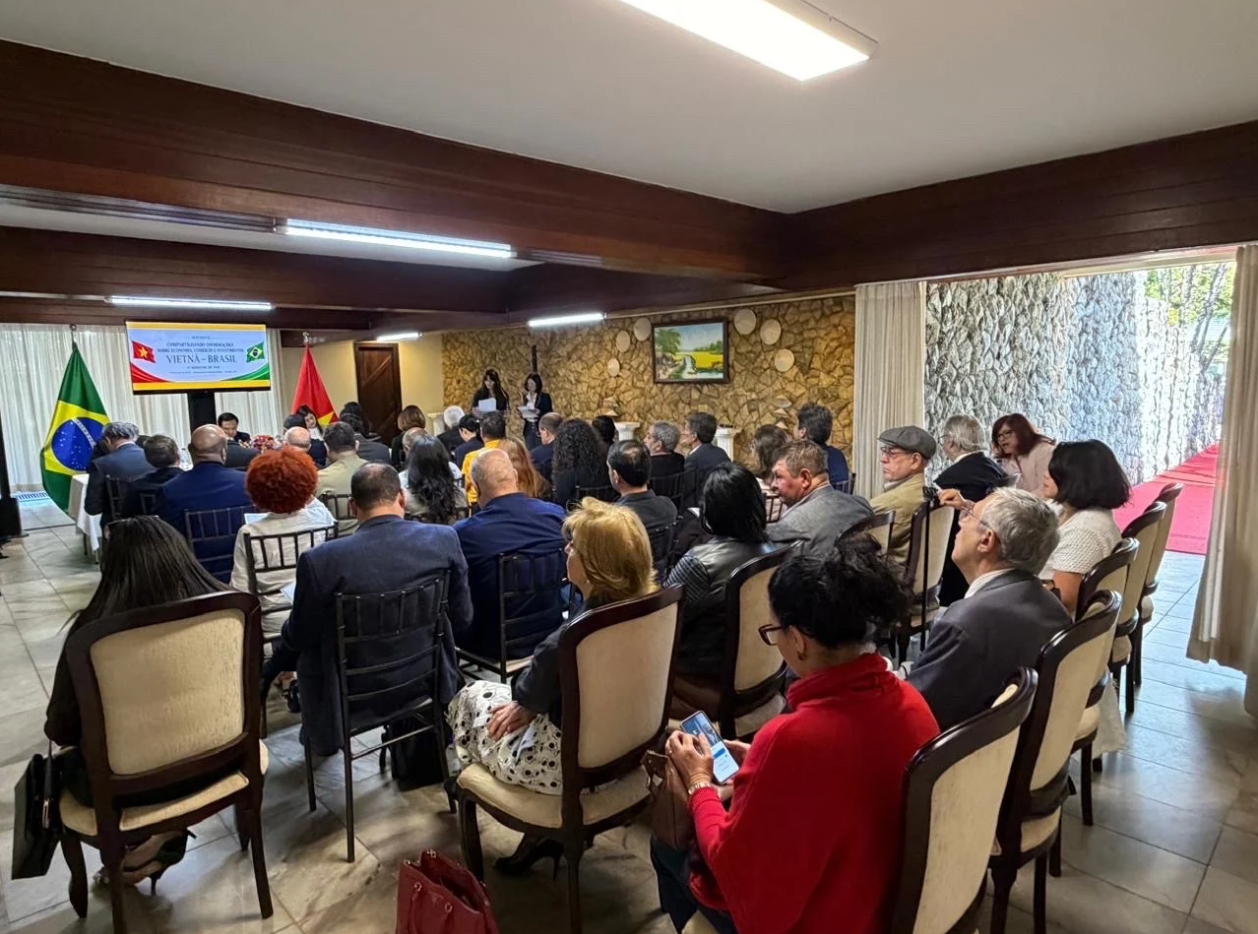 Overview of the seminar on Viet Nam - Brazil economic, trade, and investment cooperation in the first half of 2026. Photo: Embassy of Viet Nam in Brazil.
In his opening remarks, Vietnamese Ambassador to Brazil Bui Van Nghi noted that Brazil is Viet Nam's largest trading partner in Latin America and plays an important role in the global economy as a member of Mercosur, the G20, and BRICS. From Brazil's perspective, Viet Nam is viewed as a dynamic market of more than 100 million people, offering a stable investment environment and serving as a gateway to the ASEAN market. Despite the geographical distance, the two economies are highly complementary, providing significant opportunities to deepen cooperation in the years ahead.
However, the Ambassador observed that bilateral economic ties have yet to fully reflect the potential and significance of the countries' Strategic Partnership. Trade remains concentrated in traditional commodities, while investment cooperation is still limited, with most businesses engaged primarily in import and export activities. High logistics costs and lengthy shipping times also remain major challenges.
Against this backdrop, Ambassador Bui Van Nghi proposed expanding cooperation into sectors with strong complementarities, including sustainable agriculture, fisheries, processed foods, renewable energy, biofuels, logistics, biotechnology, digital transformation, innovation, and green industries. These are areas where Brazil has considerable strengths and where Viet Nam has growing demand and substantial room for deeper collaboration.
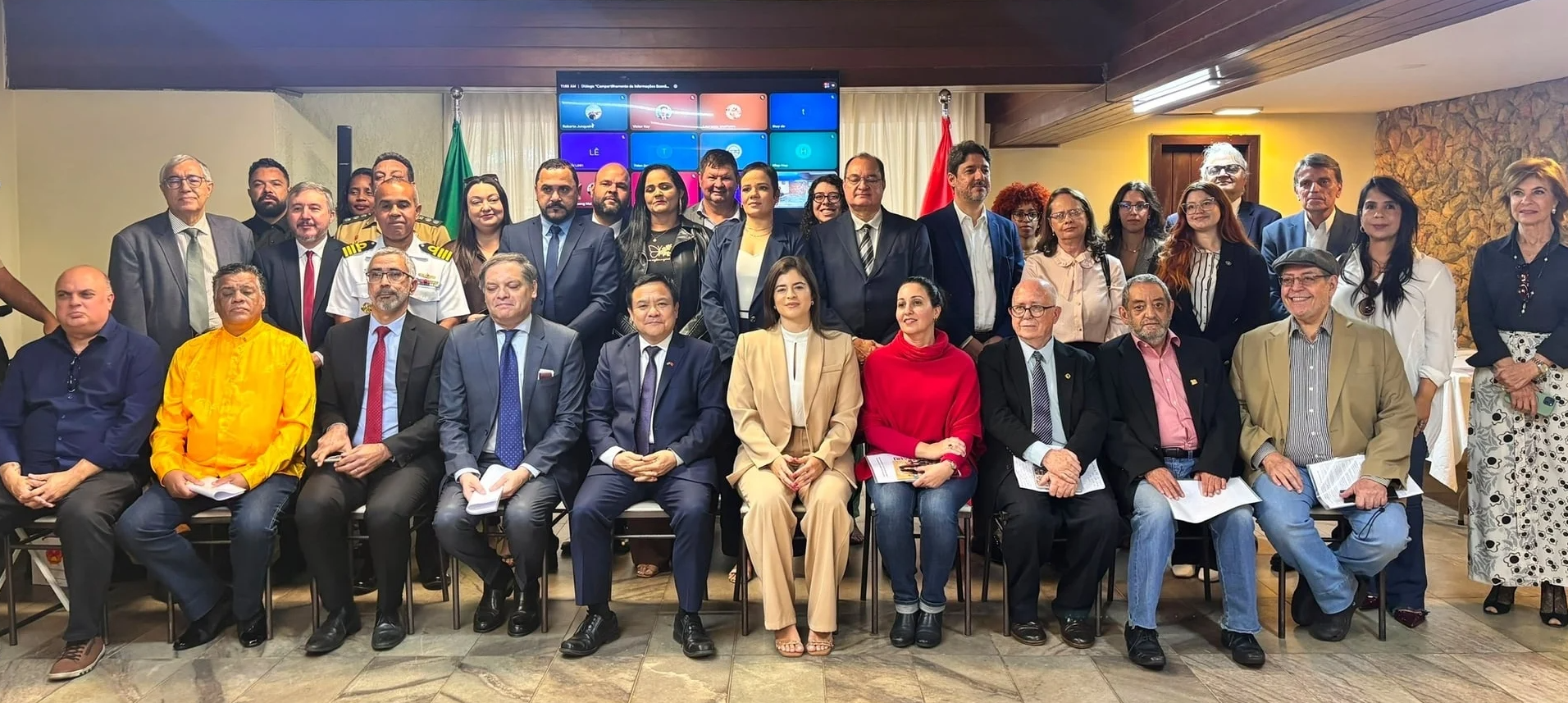 Delegates attend the seminar. Photo: Embassy of Viet Nam in Brazil.
"To address trade-related issues, particularly in agriculture, food, and fisheries, both sides should strengthen dialogue based on transparency, scientific evidence, and respect for each country's legal framework. Viet Nam stands ready to work closely with the Brazilian authorities in exchanging technical data and addressing issues related to quarantine, quality standards, and traceability in order to facilitate bilateral trade.
Businesses from both countries should move beyond short-term trading relationships toward long-term value chain partnerships through investment in production, processing, distribution, logistics, and joint development of third-country markets. Investing directly in Brazil to leverage its geographic advantages, gain access to regional markets, and expand exports to major destinations such as the United States also offers significant potential," Ambassador Bui Van Nghi said.
During the seminar, Nhu Van Can, Deputy Director General of the Department of Fisheries and Fisheries Surveillance, presented an overview of Viet Nam's regulatory framework for aquaculture, covering broodstock management, aquaculture feed, environmental treatment products, quarantine, food safety, traceability, and quality control of seafood exports.
According to Mr. Can, Viet Nam has established a comprehensive regulatory system that incorporates production logbooks, food safety certification, and encourages the adoption of international standards such as VietGAP, GlobalGAP, ASC, and BAP. These measures have helped improve product quality and ensure compliance with the increasingly stringent requirements of international markets.
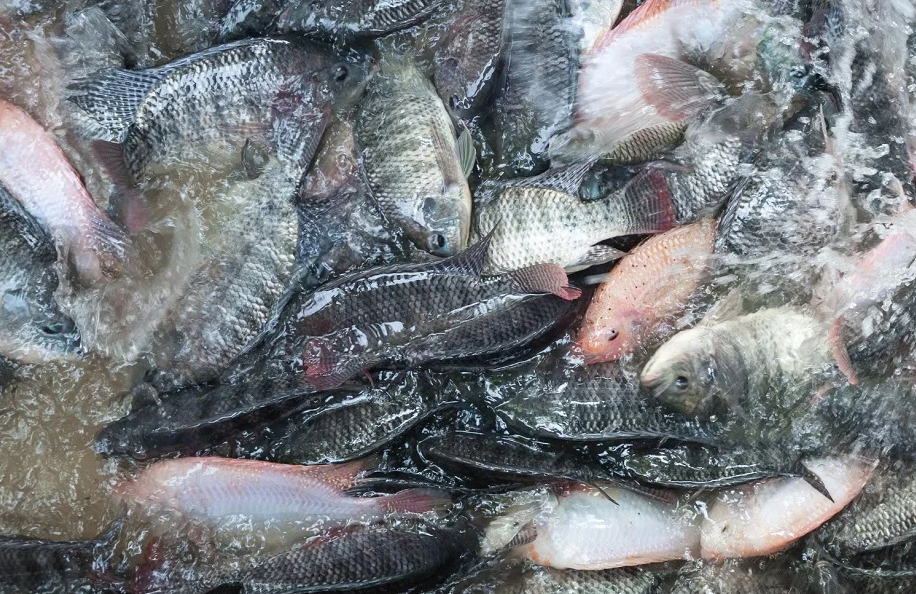 Viet Nam is currently the leading exporter of tilapia to Brazil. Illustrative photo.
From the Brazilian side, Thamires Quinhões, Executive Director of the Brazilian Fisheries Development Association (ABRAPES), noted that Viet Nam has become one of Brazil's key seafood suppliers. However, seafood imports, particularly tilapia, have recently faced legal and policy challenges, including Bill No. 6,331/2025, which proposes a ban on tilapia imports, as well as regulations introduced at the state level, creating uncertainty for businesses.
She therefore expressed the private sector's hope for closer cooperation with Vietnamese authorities, industry associations, and enterprises to exchange technical information, promote policy dialogue, and reaffirm the role of Vietnamese seafood as an important complementary source of supply for the Brazilian market.