With $161 million in private investment in green sectors in 2024, Vietnam is demonstrating its efforts to align with the region's sustainable development trends, opening up significant opportunities for more rapid breakthroughs shortly.
This information is highlighted in the "Southeast Asia's Green Economy" report conducted by Bain & Company, GenZero, Google, Standard Chartered, and Temasek. The report shows that total private green investment in the six largest Southeast Asian economies (SEA-6: Indonesia, Malaysia, the Philippines, Singapore, Thailand, and Vietnam) reached $8 billion last year, marking a remarkable 43% growth compared to 2023. While Vietnam ranked last in absolute value, it strategically shifted toward high-potential sectors such as green transportation and wind energy.
Four green investment deals in Vietnam in 2024 show the emerging trend of new funding flows aimed at sectors with substantial impacts on energy transition and emission reduction. This is a positive shift after a heavy focus on solar energy.
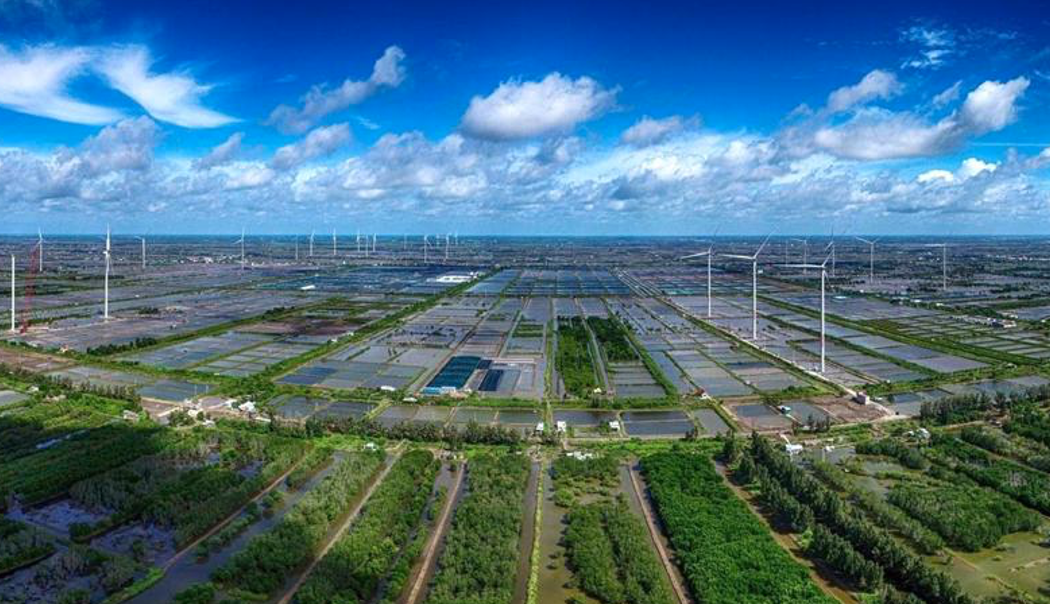 Private investment in green sectors surges.
Experts in the report highlight that Southeast Asia is passing through a "limited window of opportunity" to act on climate. The region accounts for 7.5% of global emissions and is highly dependent on fossil fuels, so the private sector's involvement is crucial to achieving climate goals. Vietnam, with its national strategy for green growth and its commitment to net-zero emissions by 2050, is seen as having a solid foundation to drive sustainable investment flows in the next phase.
The report recommends that ASEAN develop a new-generation power grid, promote the electric vehicle ecosystem, reform agricultural land use, and enhance the carbon market. Vietnam is assessed as playing a vital role if it accelerates institutional reforms, modernizes digital infrastructure, and strengthens public-private partnerships.
According to Bain & Company, by seizing timely opportunities and increasing regional cooperation, the SEA-6 group could create up to 900,000 new jobs, generate $120 billion in economic value, and halve the emissions gap by 2030. Vietnam, in particular, has the potential to become an attractive destination for green investors during the upcoming decade of transformation.