11 innovative initiatives have helped collect and recycle nearly 750 tons of plastic waste, opening new paths for circular economy development.
The information was shared at the Plastics Innovation Program (PIP) - Demo Day 2026. Mr. Nguyen Do Anh Tuan, Director of the International Cooperation Department (Ministry of Agriculture and Environment), said the 11 selected initiatives addressed plastic pollution across multiple stages of the value chain, from materials, packaging, reuse, collection, and recycling to technological application and circular finance.
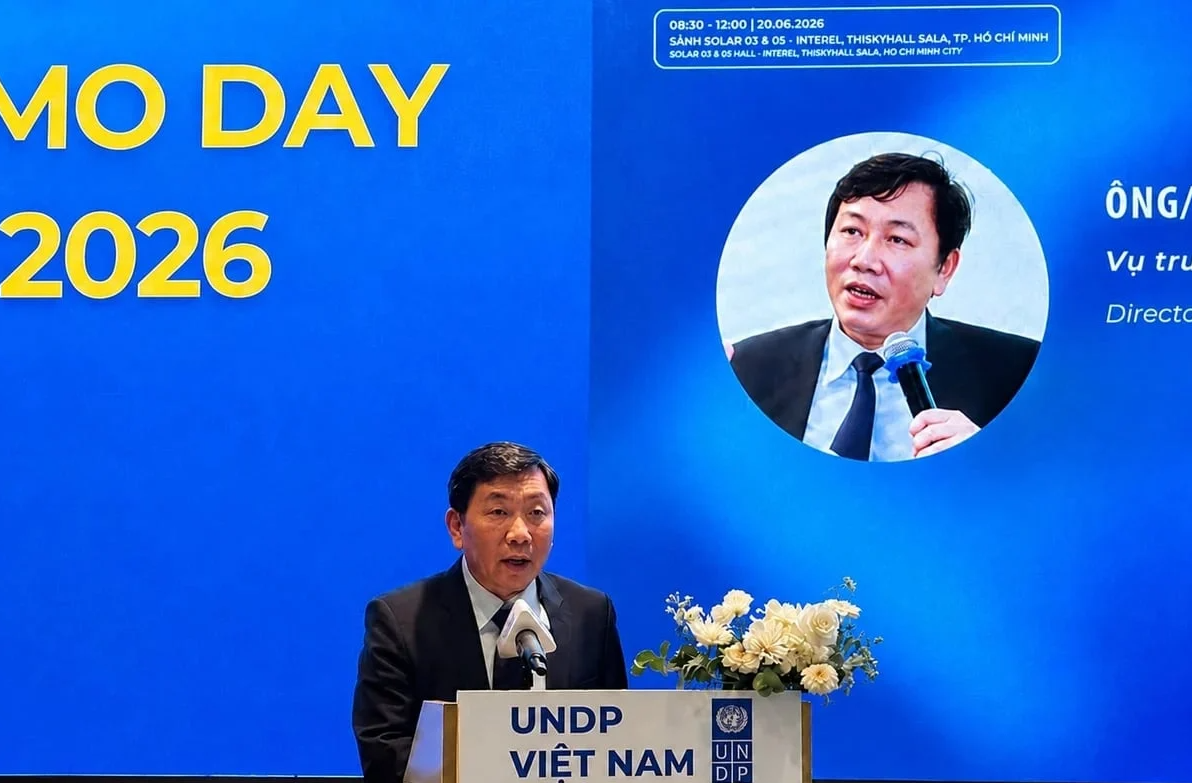 Mr. Nguyen Do Anh Tuan, Director of the International Cooperation Department (Ministry of Agriculture and Environment), speaking at the Plastics Innovation Program (PIP) - Demo Day 2026. Photo: Ha Duyen.
According to Mr. Tuan, the program's results show that innovation creates value only when placed within an ecosystem of management agencies, businesses, investors, and development partners. This also proves the effectiveness of the multi-stakeholder collaboration model that the NPAP Vietnam Program is promoting, helping to connect ideas with policies, resources, and markets to gradually put solutions into practice and replicate them.
He emphasized that Demo Day is not the end but the beginning of the next development phase for these initiatives; the Ministry of Agriculture and Environment will continue to coordinate with partners to create conditions for innovation groups to access markets, resources, and perfect their solutions, thereby contributing to accelerating the transition to a circular economy in Viet Nam.
Speaking at the event, Chairman of the Ho Chi Minh City People's Committee Nguyen Van Duoc praised the program's results after 18 months of implementation. From over 100 applications, 11 excellent innovation groups were selected, contributing to the collection and recycling of nearly 750 tons of plastic and mobilizing more than 14,000 people to participate in environmental protection activities. This shows that innovative ideas can create substantial impact when supported by a suitable ecosystem.
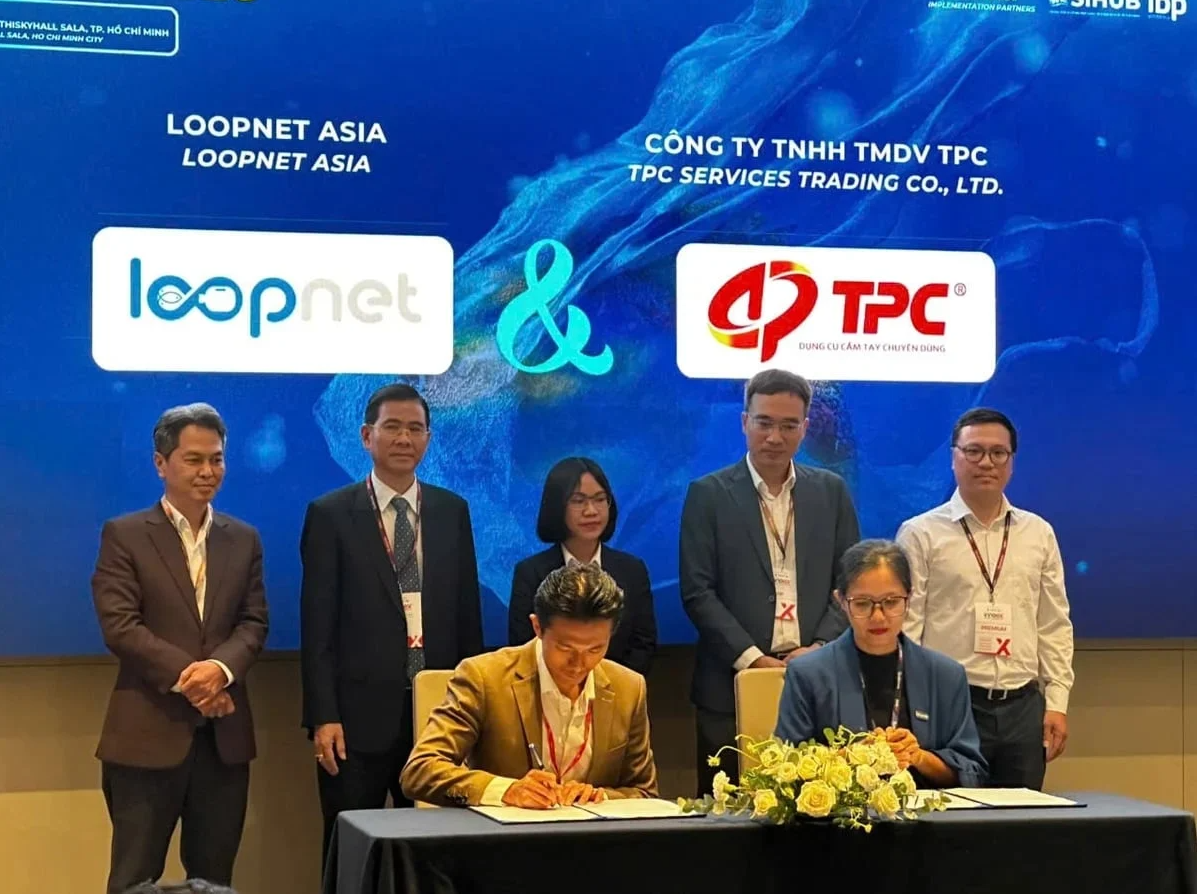 Project and enterprise representatives sign a Memorandum of Understanding (MoU), opening up cooperation opportunities in deploying sustainable development solutions. Photo: Ha Duyen.
According to the Chairman of the Ho Chi Minh City People's Committee, with a population of over 14 million generating more than 14,000 tons of domestic solid waste daily, of which plastic accounts for a significant proportion, the city is drastically shifting from a landfill model to a circular economy. The city is deploying many waste-to-energy projects, along with a green transportation transition roadmap, to achieve its net-zero emissions target by 2045.
To promote innovative solutions for plastics, Ho Chi Minh City commits to implementing three key action groups: selecting suitable areas to pilot models for material collection, recycling, and circulation; coordinating with the Ministry of Agriculture and Environment and organizations to implement EPR to channel resources directly to verified solutions; and concurrently expanding technical cooperation with UNDP and the Coca-Cola Foundation in solid and plastic waste management.