Proposing a shift away from financial contributions toward requiring manufacturers to directly collect and recycle represents a major turning point in refining Viet Nam's Extended Producer Responsibility (EPR) policy.
On August 11 in Hanoi, UNDP Viet Nam, through the National Plastic Action Partnership (NPAP) and the Viet Nam Circular Economy Hub (CE Hub), convened a workshop on “Pathways for a Robust Extended Producer Responsibility (EPR) System in Viet Nam”, bringing together the Viet Nam Environment Agency, government agencies, businesses, industry associations, recyclers, development partners, research institutions and other stakeholders.
The discussion comes at an important time as Viet Nam is revising the 2020 Law on Environmental Protection and its implementing regulations, including provisions on EPR.
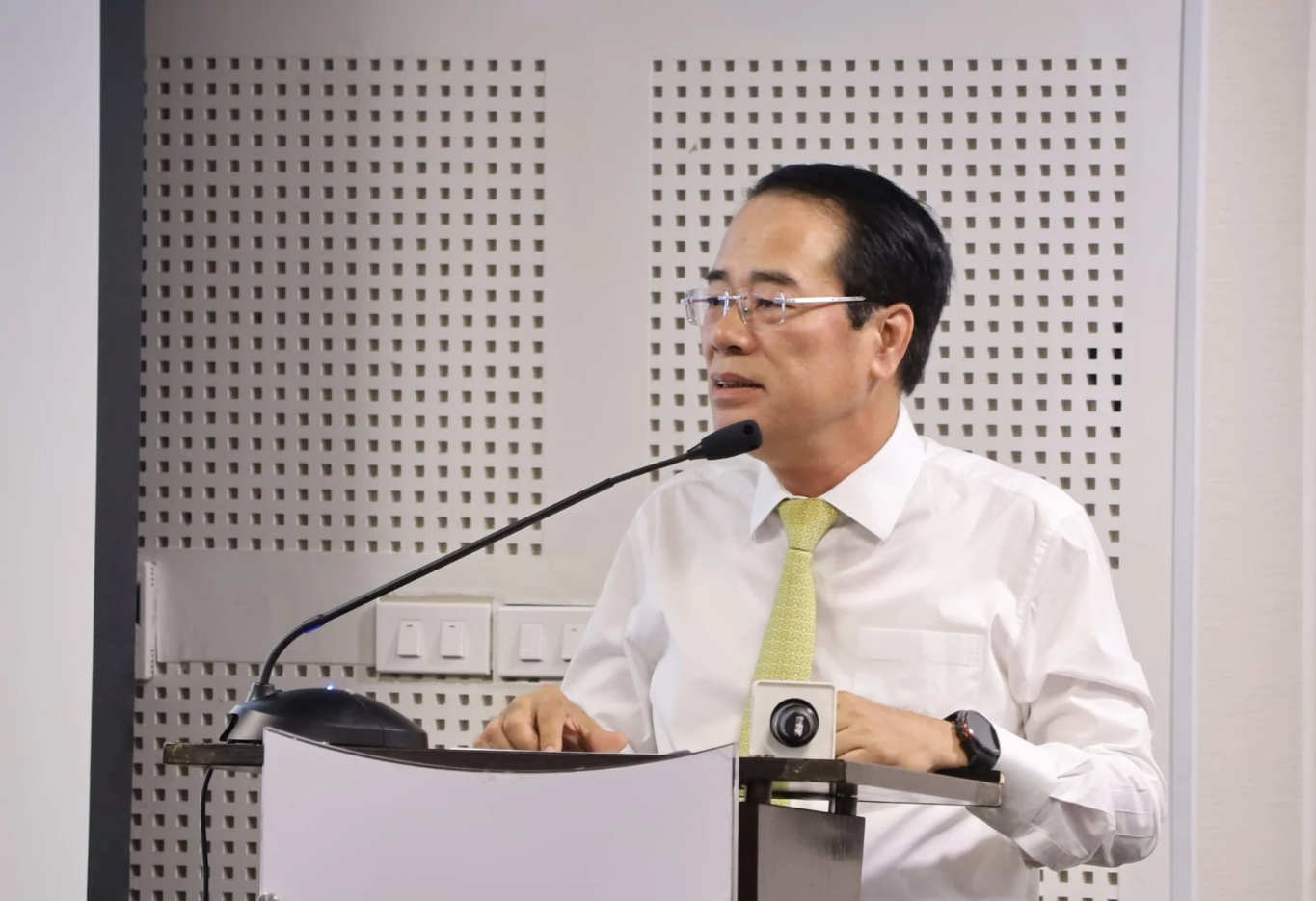 Tang The Cuong, Director General of the Department of Environment, emphasized that EPR should become a mechanism that drives changes in product manufacturing and recycling. Photo: Phuong Linh.
Shifting from financial obligations to market incentives
In his opening remarks, Tăng The Cuong emphasized that EPR should not be viewed merely as a financial obligation for businesses but rather as a mechanism that incentivizes changes in product design, material selection, collection and recycling systems, and investment in circular economy solutions.
Viet Nam has made significant progress in establishing and implementing EPR. However, experience in practice shows that the mechanism still needs further improvement to enhance transparency and effectiveness and provide stronger incentives for the collection and recycling market.
According to the draft policy directions from the Department of Environment, the role of the private sector in implementing EPR will be strengthened, while the State will focus on developing policies, legal frameworks and monitoring mechanisms. The draft Law also proposes a roadmap toward eliminating financial contributions as a means of fulfilling recycling obligations. Under the proposal, producers and importers would be required to directly organize the collection and recycling of post-consumer products and packaging, either independently or through recycling companies or Producer Responsibility Organizations (PROs).
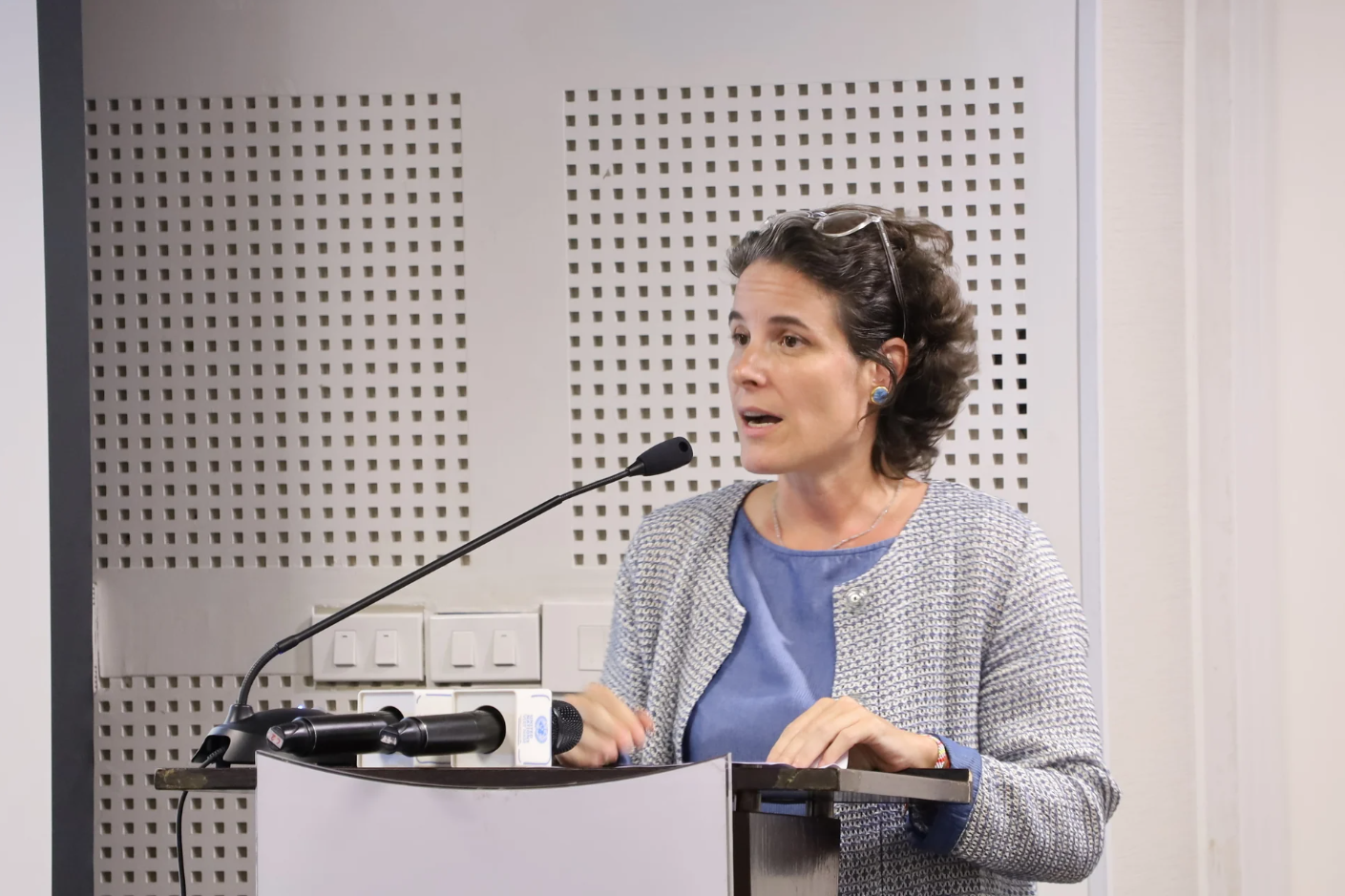 Francesca Nardini said that establishing an EPR framework is an important step toward building a circular economy. Photo: Phuong Linh.
PROs expected to become the hub of EPR system
According to Francesca Nardini, Deputy Resident Representative of UNDP in Viet Nam, the next challenge is to develop an EPR system that operates effectively, sustainably and in line with market mechanisms. EPR should not only ensure regulatory compliance or meet recycling targets, but also help transform how resources circulate within the economy, create value from materials that might otherwise become waste, and encourage investment and innovation.
Sharing international experience, Dr. Fritz Flanderka, Executive Director of Reclay Group, said there is no single EPR model that can be applied universally. While the core principle of EPR is to shift responsibility for post-consumer products and packaging to the business sector, the design and operation of each system should be tailored to the institutional and market conditions, as well as the collection, sorting and recycling capacity of each country. In this context, PROs are considered a key link, connecting producers with collection, sorting and recycling networks while implementing EPR obligations on behalf of businesses.
To ensure that PROs operate effectively, experts said their responsibilities, capacity requirements and oversight mechanisms must be clearly defined. Under the policy direction currently under consideration, PROs would be required to meet requirements related to organizational capacity for collection, financial capacity, electronic data management and separate accounting.
PROs are also expected to serve as authorized organizations representing producers and importers, assuming legal responsibility for organizing and coordinating the collection, transportation, sorting and transfer of products and packaging to recyclers; managing and verifying recycled volumes; and carrying out declarations, reporting and independent audits.
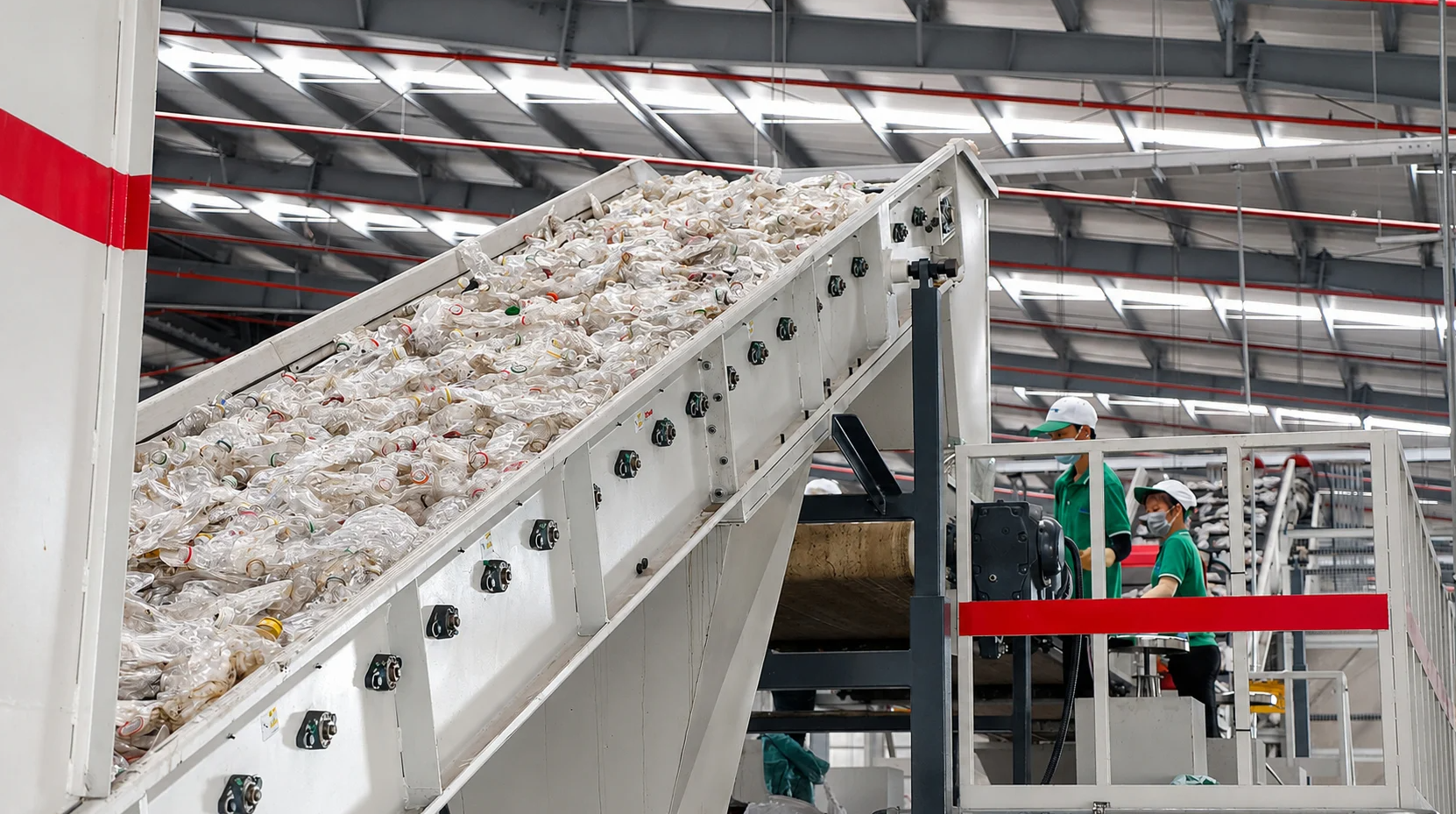 Clearly defining roles and responsibilities will provide a foundation for PROs to operate professionally, transparently and under effective oversight. Illustrative photo.
Adjusting roadmap to encourage business investment
Another issue of concern to participants was the roadmap for adjusting mandatory recycling rates in phases. Accordingly, recycling targets should be adjusted to reflect the collection capacity, recycling technologies and practical conditions of each material group. This approach aims to improve market predictability, enabling businesses to proactively develop long-term investment plans and fulfill their recycling responsibilities.
UNDP said that improving the EPR system should focus on four main groups of solutions: strengthening the proactive role of businesses; promoting the establishment of PROs as the hub of the system; gradually raising recycling targets in line with the readiness of each material type; and ensuring an inclusive transition.
Specifically, recognizing and facilitating the participation of informal waste collectors and recyclers in the EPR system is considered essential to ensuring that the transition does not leave behind workers who directly contribute to waste collection and recycling.
At the workshop, participants also held in-depth discussions on product and packaging groups subject to EPR obligations, including packaging; electrical and electronic products and batteries; and vehicles, tires and lubricants. Discussions focused on identifying challenges in implementation, ranging from collection and recycling capacity and market organization to data management, monitoring mechanisms and the fulfillment of corporate responsibilities. The outcomes of the discussions were summarized at the plenary session, providing a basis for proposing further solutions to improve EPR policy in Viet Nam.