The Ministry of Natural Resources and Environment (MONRE) has recently issued Circular No. 45/2024/TT-BTNMT regarding QCVN 19:2024/BTNMT, the National Technical Regulation on Industrial Emissions. This regulation specifies the permissible limits for pollutant parameters in industrial emissions discharged into the atmosphere.
Experts have noted that the regulation is stringent, reflecting the Vietnamese Government's commitment to achieving green growth and sustainable development goals.
Under the new regulation, pollutant parameters to be controlled from industrial emission sources in investment projects or facilities must be detailed in the Decision approving the Environmental Impact Assessment Report or the Environmental License. These pollutant parameters are specified based on the type of industrial emission source. For projects or facilities with technologies generating new pollutant parameters not covered by this regulation, the allowable limits for these parameters will follow the environmental protection standards of one of the G7 countries.
Compliance with the regulation is assessed through monitoring and analysis of pollutant parameters. Emissions are deemed compliant when the monitoring results do not exceed the allowable limits specified in the regulation or the equivalent standards of G7 countries.
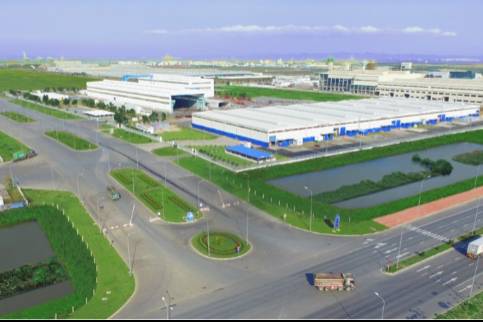
The evaluation process involves monitoring and analyzing emission samples before their release into the atmosphere.
At the local level, MONRE requires provincial-level People's Committees to review and update their local environmental technical regulations on industrial emissions to align with national regulations, the socio-economic development of the locality, and this new regulation. Environmental protection authorities are responsible for providing guidance and inspecting the implementation of the regulation.
In cases where referenced documents or regulations cited in this regulation are amended, supplemented, or replaced, the updated versions will apply.