Specialized agencies have issued this recommendation to local authorities, industry associations, and businesses, following the EU's draft of new regulations on Maximum Residue Levels (MRLs) for pesticides.
Exercise caution with fruits and vegetables, tea, and coffee
At a briefing on the draft of new EU regulations on pesticide maximum residue limits (MRLs) held on the morning of March 25, the Food Safety and Environment Division (Plant Production and Protection Department) noted that the general trend is a significant tightening of allowable residue thresholds, moving toward aligning standards between products produced within the EU and imported goods.
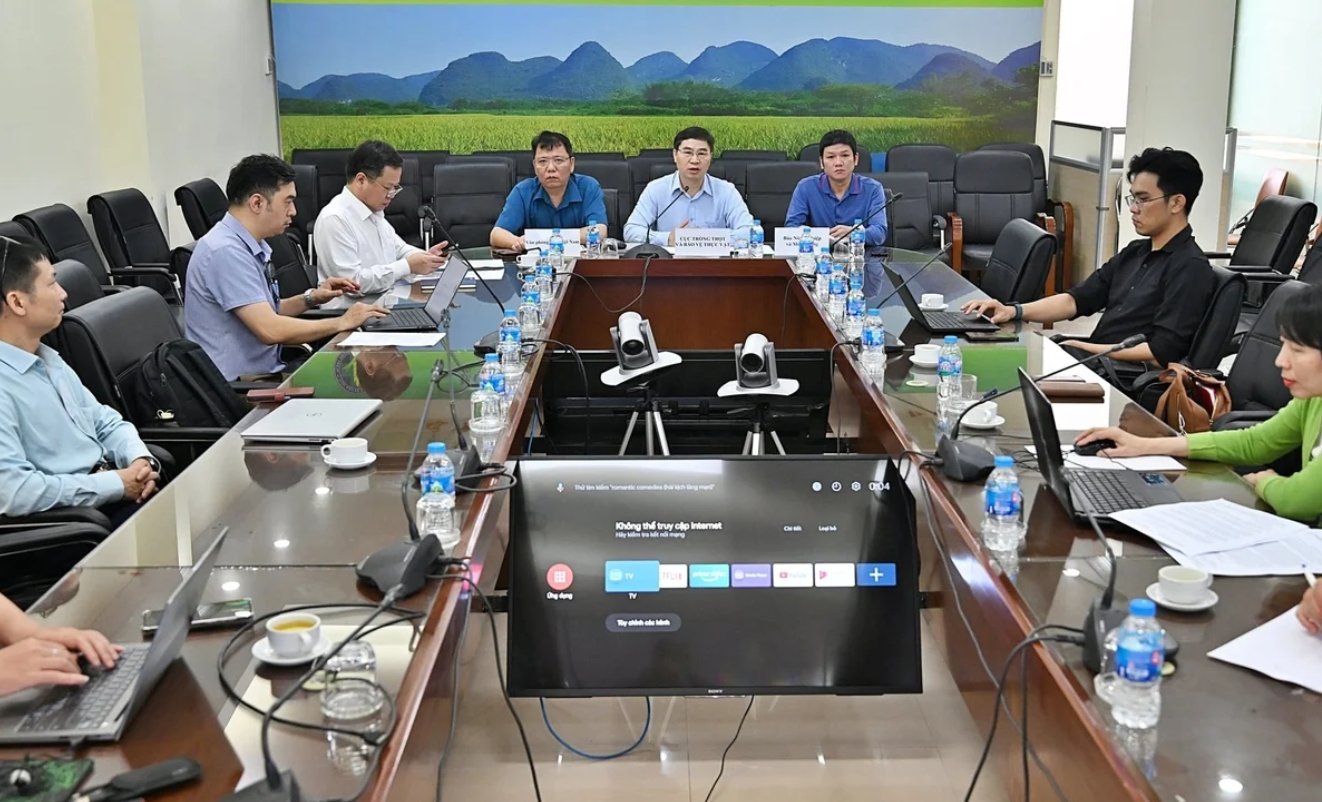 The conference was held online and connected with localities and industry associations nationwide. Photo: Bao Thang.
A notable shift is the principle that “substances banned in the EU must not be present in imported products,” which is gradually replacing the previous flexible approach. Accordingly, the EU proposes applying a default residue limit of 0.01 mg/kg, essentially equivalent to a “non-detectable” threshold, for active substances that are not approved or are deemed hazardous.
In addition, the EU is changing its risk assessment approach. While standards were previously based on actual exposure levels, they are now moving toward hazard-based evaluation. This means that if an active substance is found to have carcinogenic, endocrine-disrupting, or ecosystem-harming properties, it may be banned without requiring evidence of specific real-world risk.
Before the new regulations take effect, the EU will still allow the circulation of products manufactured earlier. However, exporters must provide evidence demonstrating compliance with recommendations based on actual implementation. Otherwise, shipments may still be rejected.
According to Mr. Nguyen Quy Duong, Deputy Director General of the Plant Production and Protection Department, since late January 2026, the Department has issued official communications to local authorities, industry associations, and businesses to inform them of the EU’s regulatory changes. Feedback from stakeholders is currently being consolidated and expedited for submission to the European side ahead of the deadline.
According to Mr. Duong, a major concern is that the stricter limits in the new regulations could directly impact many of Viet Nam’s key agricultural export groups. Among these, fruits, vegetables, tea, and coffee are sectors facing significant influence due to the specific nature of pesticide use in their production.
He emphasized that the current urgent requirement is for local authorities to promptly disseminate information to every production organization, individual, and export enterprise in their area. Grasping the new regulations early will help units proactively adjust their production processes, avoiding being caught off guard once the regulations officially take effect.
“For active ingredients already under control or at risk of being banned, the best solution is to cease their use and find suitable alternatives,” Mr. Duong said, while also noting that even after stopping use, ultra-low residue levels may still occur, posing risks for businesses during export.
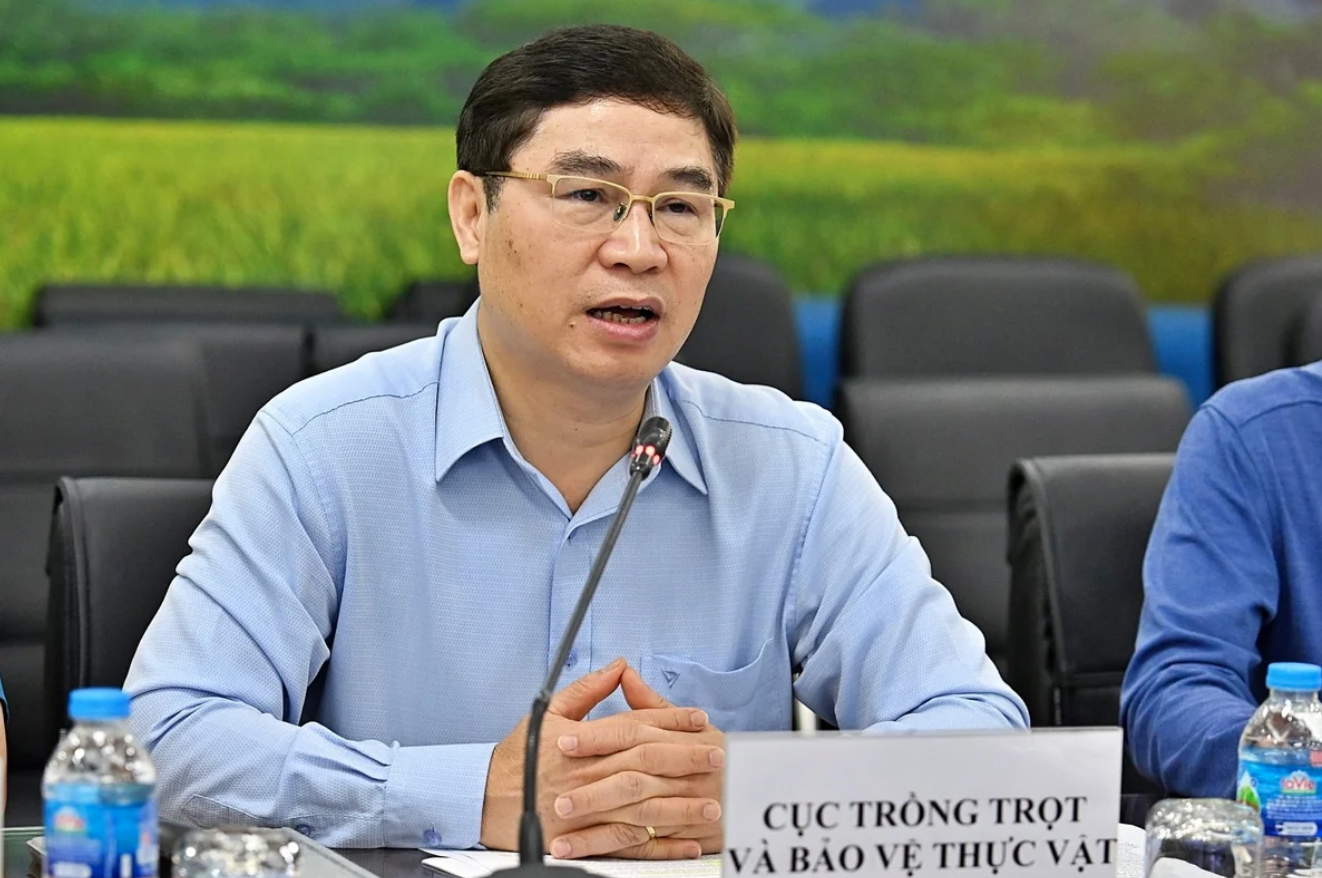 Deputy Director General Nguyen Quy Duong states that the EU is shifting from "risk-based" to "hazard-based" control. Photo: Bao Thang.
Drawing lessons from the coffee sector, Mr. Duong noted that when the EU tightened regulations on Glyphosate, the industry took years to adjust, from changing farming practices to adopting non-chemical methods or alternative substances. However, even some previously recommended substitutes are now being placed under EU review for potential restriction, reflecting an increasingly stringent regulatory trend.
This development calls for a fundamental shift in production, going beyond simply replacing active substances to reducing overall dependence on chemicals. Farming practices such as manual weeding, integrated pest management, and biological control were highlighted by Mr. Duong as sustainable, long-term solutions, despite potentially higher initial costs and labor requirements.
To better adapt to the new regulations, Deputy Director General Duong recommended that businesses strengthen pre-export inspections, treating this as an almost mandatory step to minimize the risk of shipment rejection. Proactive measures include sampling and testing products against the list of active substances currently monitored by the EU.
“Once a shipment is flagged or rejected, the consequences go beyond immediate financial losses. It can also lead to increased inspection frequency, with some agricultural products now subject to checks as high as 50%,” Mr. Duong emphasized. He added that stricter standards are becoming a global trend, and the challenge is no longer about complying with a single regulation, but about ensuring the long-term adaptability of the entire production chain.
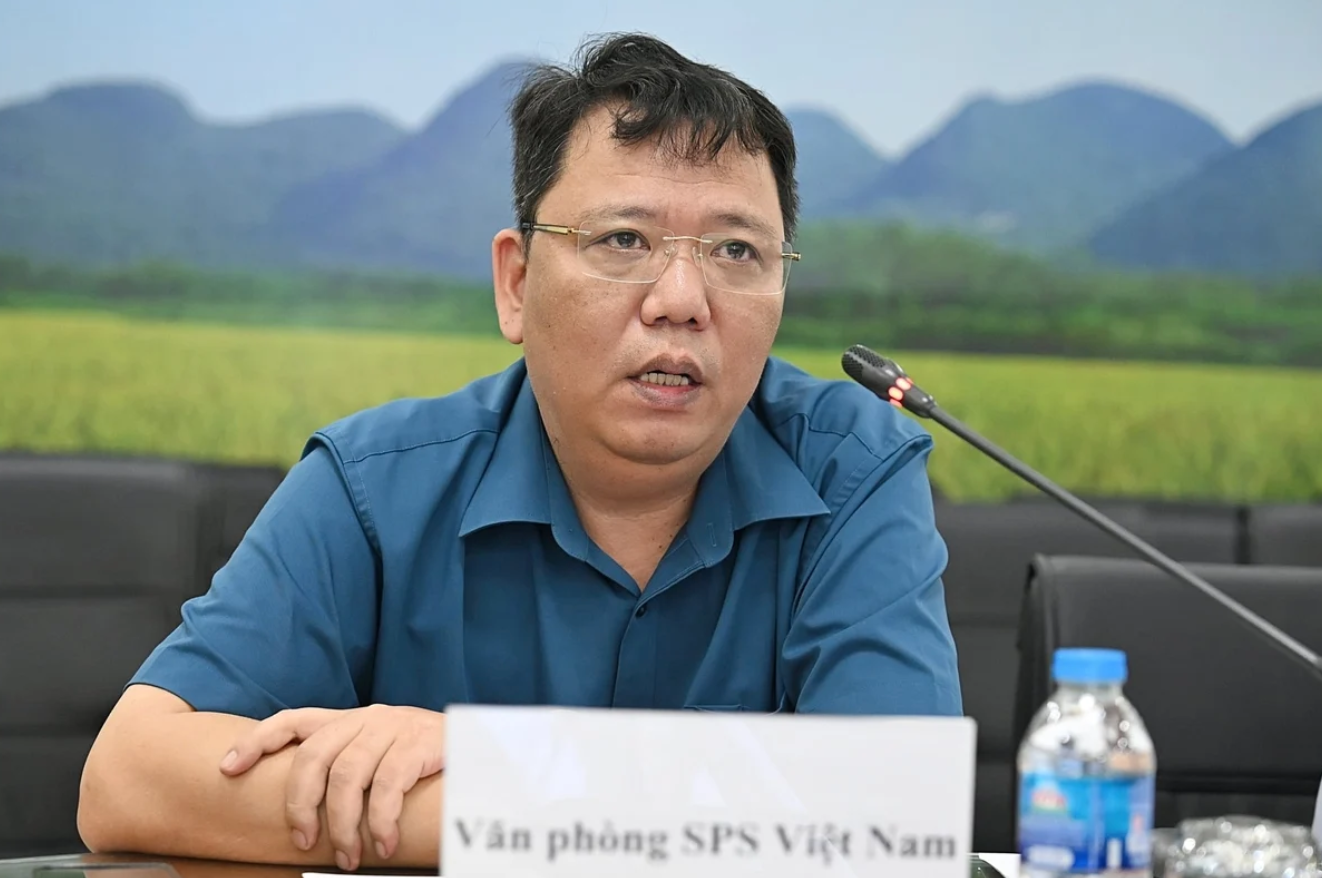 Deputy Director General Ngo Xuan Nam stated that providing feedback on draft regulations is not only a right but also a way for businesses to protect themselves. Photo: Bao Thang.
Confidently adapting to new regulations
Some industry associations and businesses noted that the EU’s regulatory changes could pose significant challenges if control is not strengthened from the very beginning of the production chain, particularly at the farming and input stages. Previously, exporters benefited from a certain tolerance level for MRLs, with separate thresholds applied to imported goods. However, standards are now being aligned with those applied within the EU market.
Compliance costs, ranging from testing and certification to restructuring production chains, remain a major concern, especially for small and medium-sized enterprises or those reliant on fragmented raw material areas.
Addressing these concerns, Mr. Ngo Xuan Nam, Deputy Director of the Vietnam SPS Office, offered reassurance by pointing out that several Vietnamese agricultural products previously subject to strict controls have now successfully complied with EU regulations. “Since early 2026, dragon fruit and passion fruit have not received any violation warnings from EU authorities,” he emphasized.
According to Mr. Nam, the key lies in proactive engagement in providing feedback on international draft regulations by local authorities, industry associations, and businesses. “We need to look at the bigger picture - not only MRLs, but also a wide range of changes related to quarantine, food safety, antibiotics, and more across different markets. Each month, hundreds of notifications may be issued, yet our capacity to access and respond remains limited,” he said.
This has resulted in Viet Nam’s voice being relatively faint during the policy formulation stage of international trade regulations, despite their direct impact on the country’s export activities.
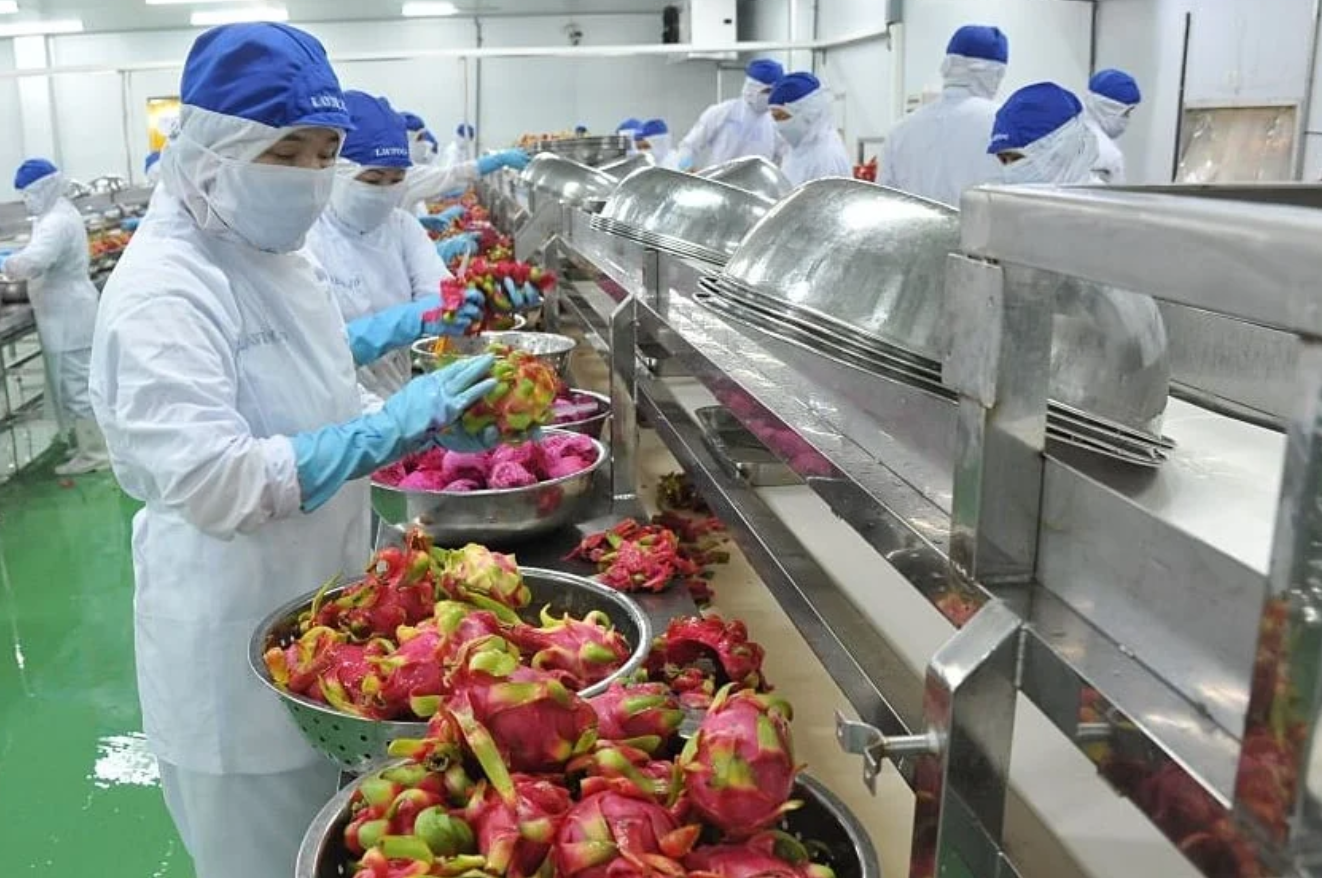 Dragon fruit is one of four products subject to inspection frequency when entering the EU market. Photo: The Hoang.
The underlying cause, according to experts, lies in ineffective information dissemination. Many businesses have not even accessed new notifications before the regulations are close to taking effect. To address this, the Vietnam SPS Office has proposed accelerating digital transformation to shorten the time it takes to transmit information from central authorities to industry associations and enterprises.
“We have the right to comment on changes in import market regulations under WTO mechanisms, but we have not made good use of this right,” Mr. Nam added. Meanwhile, many countries and industry associations worldwide actively participate by submitting detailed feedback to protect their domestic production interests.
Providing feedback is not only a right but also a way for businesses to protect themselves. Without early engagement, once regulations are issued, the full cost of adaptation will fall on enterprises.
In fact, Viet Nam has successfully done this before. Authorities and businesses previously coordinated to provide feedback that led the EU to adjust certain MRL levels for pepper. This experience shows that with sufficient data and strong arguments, influencing international regulations is entirely feasible.
From this perspective, Mr. Nam called on industry associations to act as intermediaries, consolidating feedback from businesses and submitting it to relevant authorities. At the same time, local governments need to be more proactive in reporting challenges arising during production and export processes.
As global standards become increasingly stringent, lagging behind in accessing information and responding to policy changes could put Vietnamese agricultural products at a disadvantage. Conversely, early and proactive engagement not only reduces risks but also gives businesses an opportunity to help shape the rules of the game in international markets.