Encouraging green space development
After more than a year of implementing the 2024 Capital Law, Hanoi's agriculture, natural resources and environment sectors have achieved significant initial results. The promulgation of specific mechanisms and policies has contributed to creating a favorable legal framework for socio-economic development, concurrently laying the groundwork for orienting the Capital's construction toward a green and sustainable urban model.
However, practical implementation reveals that certain regulations require further refinement to exploit land and natural resources more efficiently and enhance environmental protection efficacy. On this basis, the Hanoi Department of Agriculture and Environment has proposed numerous new mechanisms to resolve management bottlenecks.
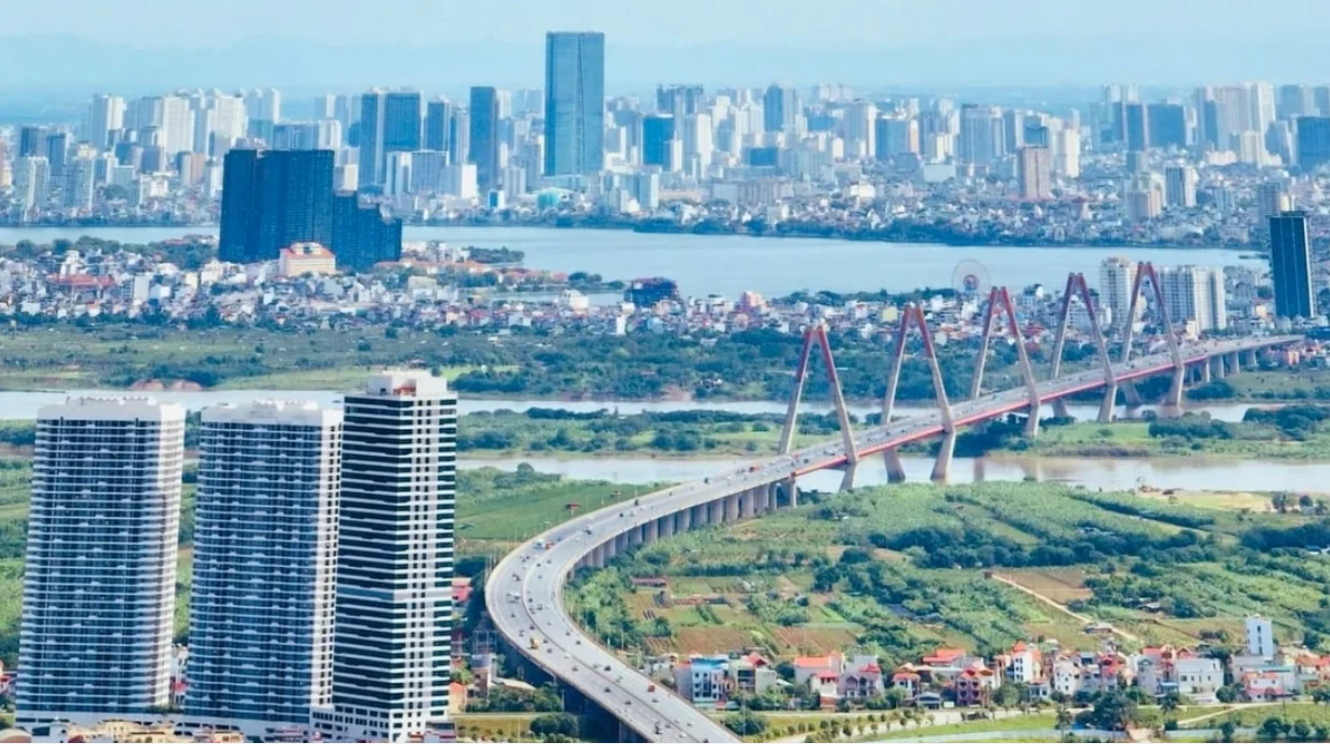 Hanoi is proposing amendments to the Capital Law aiming at enhancing decentralization, granting more authority to the city government in resource management, ecological agriculture development, and environmental protection. Photo: Pham Hung
According to Mr. Vu Xuan Tung, Deputy Director of the Hanoi Department of Agriculture and Environment, the Capital Law has established an essential legal framework for agricultural, rural, and environmental development, yet more flexible mechanisms need to be supplemented. Therefore, Hanoi is proposing to amend the Capital Law to strengthen decentralization, delegating additional authority to the municipal government in managing natural resources, developing ecological agriculture and protecting the environment.
One of the draft's notable contents is refining the mechanism for managing, protecting and utilizing natural resources in a flexible yet stringent manner. Accordingly, the Hanoi People's Council is granted the authority to promulgate policies for the management, protection and sustainable exploitation of the entire forest area within its jurisdiction. Management is directed to ensure the unity of the ecosystem while integrating with inter-regional ecological spaces.
Besides, the city is permitted to proactively develop green spaces in urban areas through the utilization of land funds managed by State agencies and organizations that have not yet been allocated, leased or utilized. This mechanism is expected to contribute to expanding greenery coverage, improving the living environment and elevating the quality of public spaces.
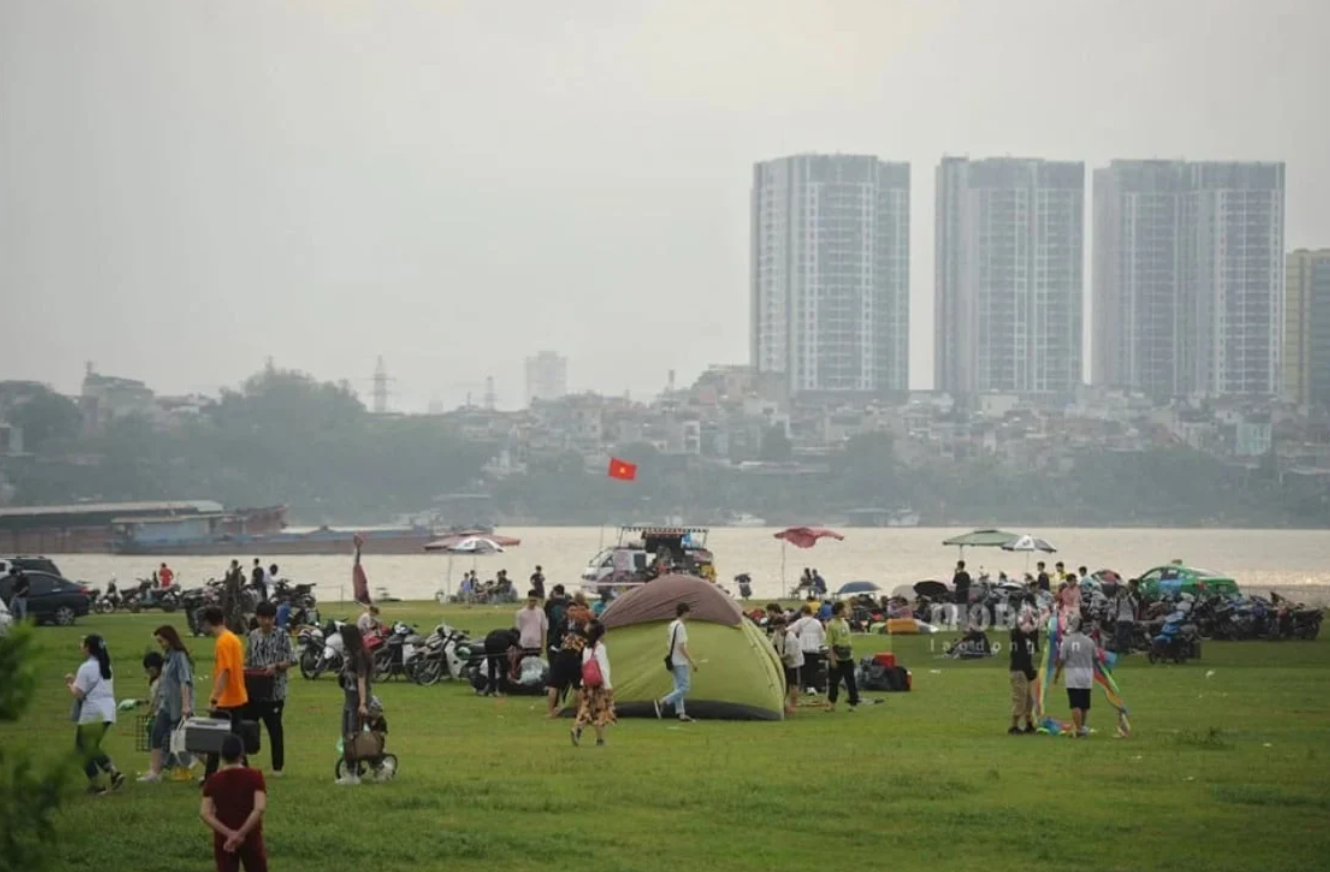 Developing urban green spaces coupled with the protection of natural ecosystems. Photo: Thanh Dong.
The draft Law also establishes clear principles regarding land exploitation and utilization in conjunction with protecting natural ecosystems. Accordingly, the use of riverbanks and alluvial islands must comply with the Capital's master plan, as well as the dyke and flood prevention plans for dyked rivers.
Existing riverbank areas may be considered for the retention of residential areas and construction of works at an appropriate density according to flood prevention and other relevant plans. Meanwhile, the remaining riverbank and alluvial island areas are exclusively permitted for the construction of works serving public spaces or public purposes, provided they do not elevate the topography or obstruct the water flow. This regulation aims to harmonize the demand for land exploitation with the missions of environmental protection and natural disaster prevention.
Overall, the proposed amendments not only aim for the effective management of land resources but also contribute to protecting river ecosystems, maintaining natural balance and enhancing the city's adaptive capacity against natural disaster risks.
Expanding agricultural land development
In parallel with perfecting the resource management mechanism, the draft Capital Law (amended) also focuses on driving the development of ecological agriculture and high-tech agriculture, aligning with Hanoi's urban agriculture development orientation.
Accordingly, the municipal People's Council is granted the authority to stipulate the use of agricultural land funds in riverbank and alluvial island areas to develop ecological agricultural production, while integrating it with tourism and experiential education activities. Construction on agricultural land in these areas must comply with dyke, flood prevention and other related planning to ensure safety and sustainable development.
Along with this, the city can promulgate specific regulations on the conditions, order, and procedures for granting construction permits for works directly serving agricultural production. These works may encompass agricultural product processing and preservation facilities, product display and introduction areas, as well as landscape spaces serving agricultural tourism and experiential education in concentrated production zones.
Perfecting the legal framework for these models is expected to propel urban agriculture to develop in a modern direction, enhancing added value and forming production chains tied to eco-tourism.
Another critical content of the draft is the mechanism to attract investment in the environmental and high-tech agriculture sectors. Accordingly, projects utilizing advanced technologies in waste and wastewater treatment, climate change response or green energy development will enjoy numerous preferential policies.
Simultaneously, projects establishing high-tech agricultural zones or high-tech agricultural production projects are also encouraged to foster innovation and the application of science and technology in production.
The draft Law also lays the foundation for developing high-tech agricultural zones within the Capital's high-tech park system. This model is anticipated to become a space for technological testing and transfer, contributing to improving agricultural productivity and quality and advancing sustainable agricultural development.