Lao Cai has launched a plan to monitor aquaculture environments to control pollution, provide early disease warnings and support the sustainable development of the fisheries sector.
The Lao Cai provincial People’s Committee recently issued Plan No. 121/KH-UBND on environmental monitoring and early warning in aquaculture for 2026 and the 2026-2030 period. The plan is designed to strengthen management capacity and support the long-term, sustainable growth of aquaculture in the mountainous northern province.
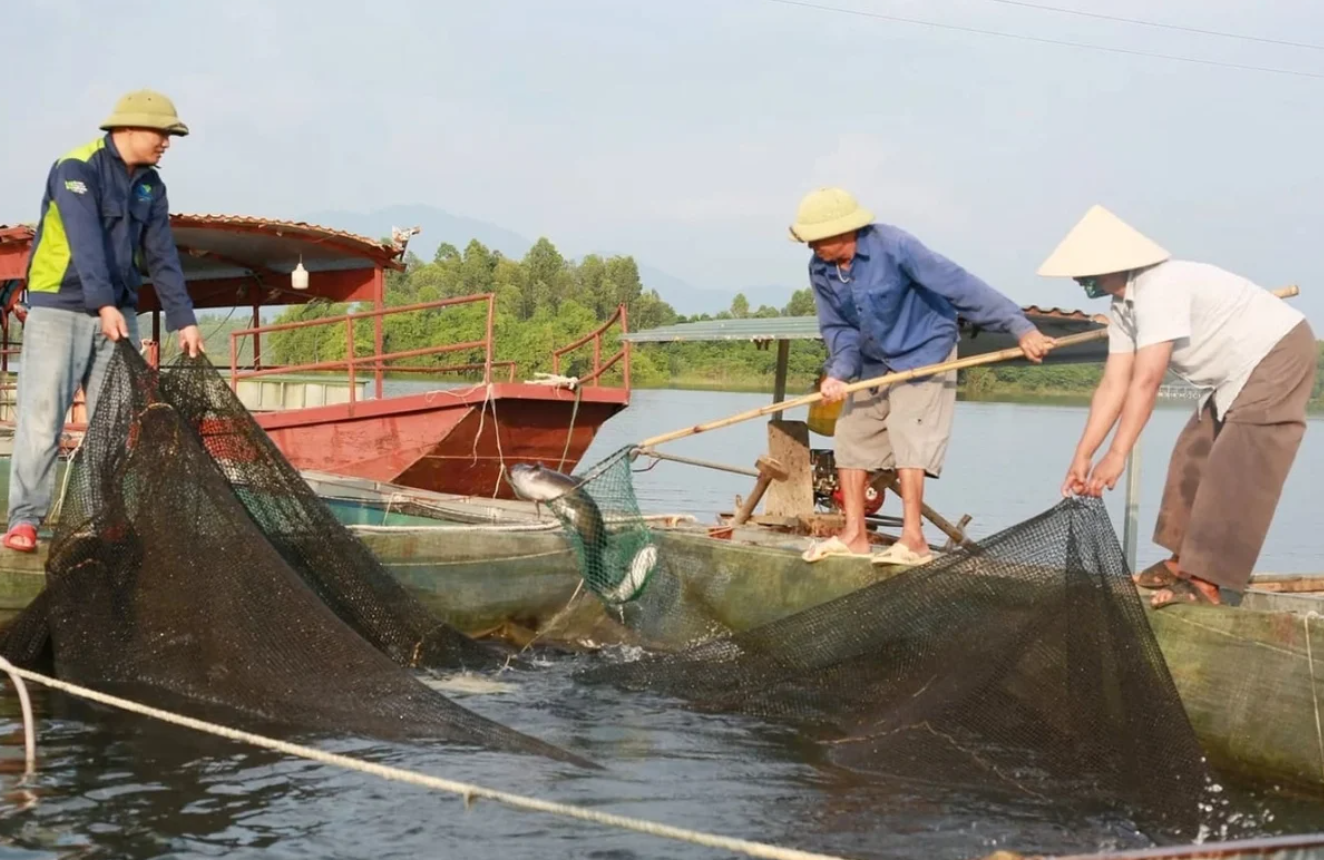 Lao Cai will regularly monitor aquaculture environments and issue early warnings for pollution and disease. Photo: Thanh Nga.
Under the plan, Lao Cai will conduct regular environmental monitoring in aquaculture zones to detect pollution risks and potential disease outbreaks at an early stage. By collecting and analysing environmental data, authorities aim to provide timely warnings to farmers, allowing them to adjust production practices and reduce potential losses.
The plan also identifies key aquaculture species for regular monitoring. These include high-value cold-water fish such as salmon and sturgeon, which have become important farmed species in Lao Cai. In addition, the programme will cover traditional fish commonly raised in the province, including carp, grass carp and monosex tilapia. Cage culture in reservoirs and other large water bodies will also be closely monitored to ensure long-term production safety and ecological balance.
Monitoring areas are chosen based on key aquaculture zones where farming activities are concentrated, large in scale, share common water sources and play an important role in local production. These areas play an important role in the province’s aquaculture production and therefore require careful environmental oversight. Priority will also be given to zones that face higher risks of pollution or disease outbreaks, as well as areas that may be affected by wastewater discharge, agricultural production activities or residential waste.
According to the plan, environmental monitoring for traditional fish farming will be carried out in three main areas. These include two concentrated cage-culture zones on Thac Ba reservoir and a large-scale farming area in Bao Thang commune. For cold-water aquaculture, monitoring activities will be conducted in one to two major farming zones in Ngu Chi Son commune and in the Sa Pa ward area. Monitoring sites will be placed at representative locations that accurately reflect overall water quality in each farming area. Authorities will prioritise upstream locations or areas directly exposed to environmental impacts, ensuring that monitoring data can provide early indications of changes in water conditions.
Each aquaculture zone will have one representative monitoring site where farming activities are stable and meet the technical requirements for regular sampling. This approach allows authorities to optimise resources while ensuring that the data collected remain reliable and scientifically meaningful.
The monitoring programme will cover a wide range of environmental indicators. For water quality, key parameters to be observed include temperature, pH levels, alkalinity and nitrogen compounds such as nitrite (NO₂), ammonium (NH₄⁺) and ammonia (NH₃). Other important indicators include chemical oxygen demand (COD), biological oxygen demand (BOD), total suspended solids (TSS) and hydrogen sulfide (H₂S). In addition to these basic water quality parameters, the plan also places strong emphasis on monitoring hazardous pollutants that could pose long-term risks to aquaculture and human health. These include heavy metals such as cadmium (Cd), mercury (Hg) and lead (Pb), as well as residues of plant protection chemicals that may accumulate in aquatic environments over time.
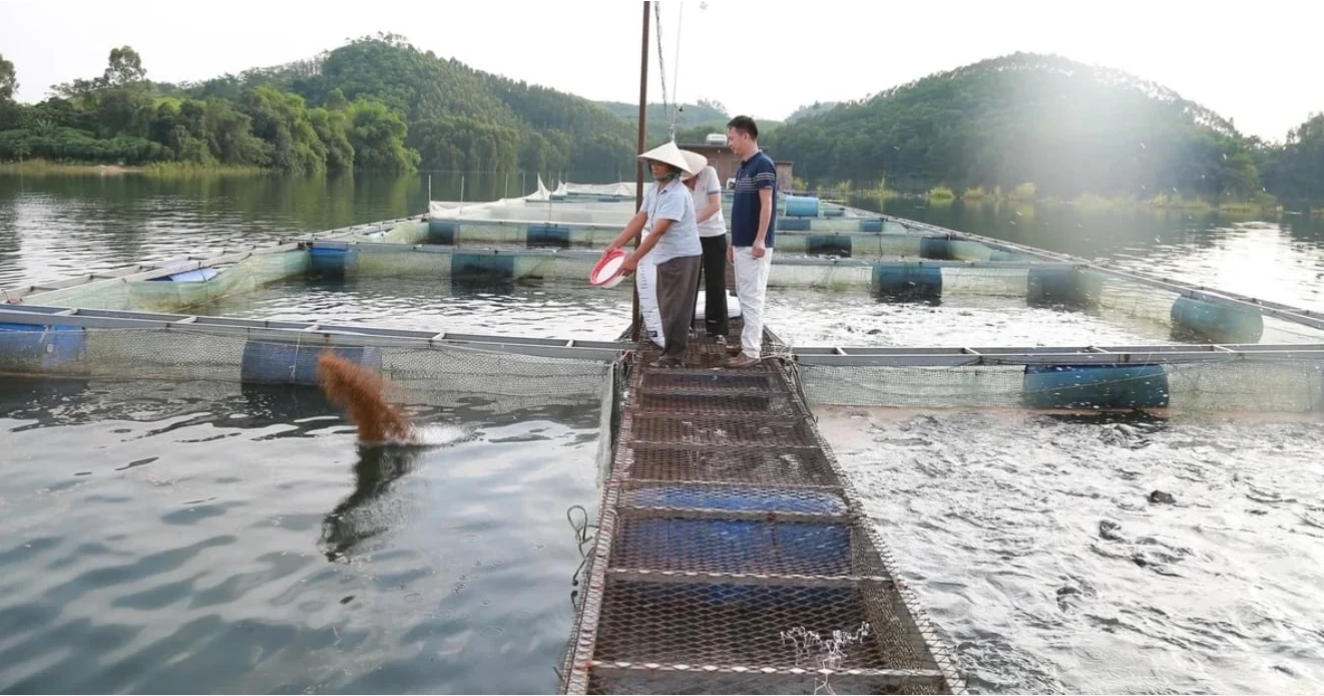 The province has identified key aquaculture species for regular monitoring, including cold-water fish and several traditional farmed species. Photo: Thanh Nga.
Alongside environmental monitoring, the programme will also focus on detecting disease-causing agents in aquatic species. Monitoring efforts will target common bacterial pathogens affecting fish, including Aeromonas, Streptococcus and Edwardsiella. In addition, surveillance will also cover viruses, fungi and parasites that could potentially trigger widespread disease outbreaks if left unchecked. These pathogens are known to cause serious damage to aquaculture production if not detected and controlled in time.
The monitoring schedule will be designed to be flexible to suit different types of parameters. Environmental water quality indicators and disease-causing agents will be monitored monthly to ensure continuous tracking of environmental conditions and prompt identification of any emerging risks. Meanwhile, heavy metals and pesticide residues will be monitored three times a year to assess the risk of long-term accumulation in aquaculture environments. In addition to routine monitoring, emergency monitoring activities will also be carried out when unusual signs appear in weather patterns, water quality or disease outbreaks.
The Lao Cai Department of Agriculture and Environment has been tasked with leading the plan’s implementation in coordination with relevant agencies, ensuring progress, quality and effectiveness. The coordinated rollout of monitoring and early-warning measures is expected to strengthen state management while supporting the long-term, stable, safe, and sustainable development of the province’s aquaculture sector.