Ho Chi Minh City is drafting a plan for aquaculture development in the 2026 - 2030 period, with a focus on scaling up marine farming, integrating technology and tourism, and ensuring sustainability.
On the afternoon of March 18, the city’s Department of Agriculture and Environment convened a meeting to gather input from relevant departments and agencies on implementing the National Aquaculture Development Program and a marine aquaculture initiative for 2026 - 2030.
Pham Thi Na, Deputy Director of the department, emphasized that developing structured programs and projects to “move toward the sea” and advance the marine economy is an urgent priority, not only for coastal localities but for the agricultural sector as a whole.
The city’s aquaculture strategy will extend beyond marine farming to include freshwater and brackish-water aquaculture, particularly in mangrove areas such as Can Gio, which supply high-nutrition-value seafood for the domestic market.
The Department of Agriculture and Environment is also working with the Department of Science and Technology to commission research on marine aquaculture to attract enterprises with strong capacity in capital, technology, and management.
“We expect marine aquaculture to become a new growth driver, making a significant contribution to the city’s economy, especially when combined with sectors such as tourism,” Na said.
Representatives from the city’s Department of Tourism proposed that integrated aquaculture–tourism models should be prioritized from the planning stage. Several coastal areas, such as Xuyen Moc, Long Son commune, and Can Gio, already have eco-tourism development plans and could simultaneously leverage both sectors.
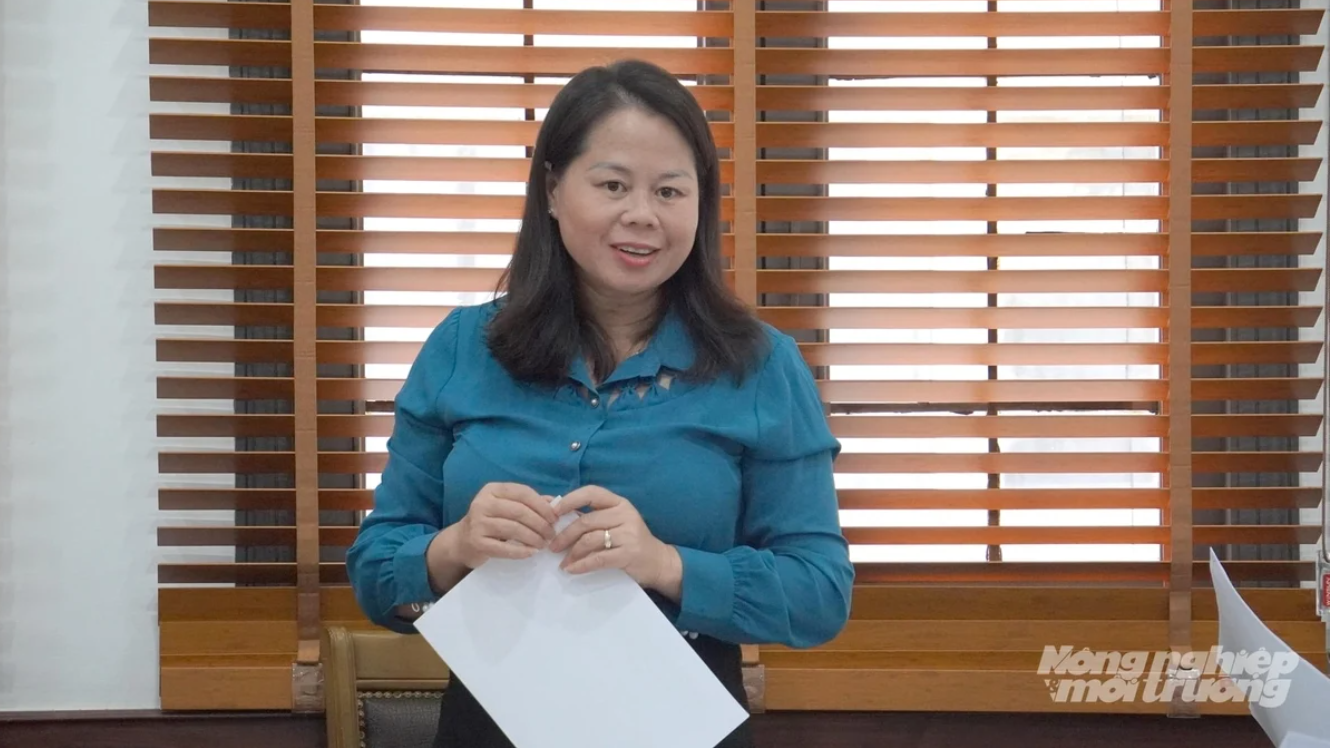 Pham Thi Na, Deputy Director of Ho Chi Minh City’s Department of Agriculture and Environment. Photo: Le Binh.
Combining aquaculture with tourism experiences, cuisine, and recreational activities such as fishing could generate significantly higher added value for local communities.
Ho Chi Minh City also has a distinct advantage as a major seafood-consumption hub, supported by a large network of restaurants and hotels and a steady flow of tourists.
“High-quality seafood can be consumed locally without relying on exports, while delivering substantial value,” Na noted.
In practice, seafood prices in tourist destinations such as Can Gio and nearby Vung Tau are significantly higher than in many Mekong Delta provinces, reflecting strong market demand.
To fully unlock this potential, Na stressed the need for coordinated action across departments, sectors, and local authorities. In particular, closer collaboration with the city’s Agricultural High-Tech Park Management Board will be essential for workforce training.
She also called on the Department of Finance to consider budget support for coastal localities, communes, wards, and specialized units to proactively develop and implement projects, avoiding the waste of valuable water surface resources.
“Decentralization is already in place. If localities fail to act proactively, they risk missing opportunities and even failing their residents by wasting a significant resource,” she said.
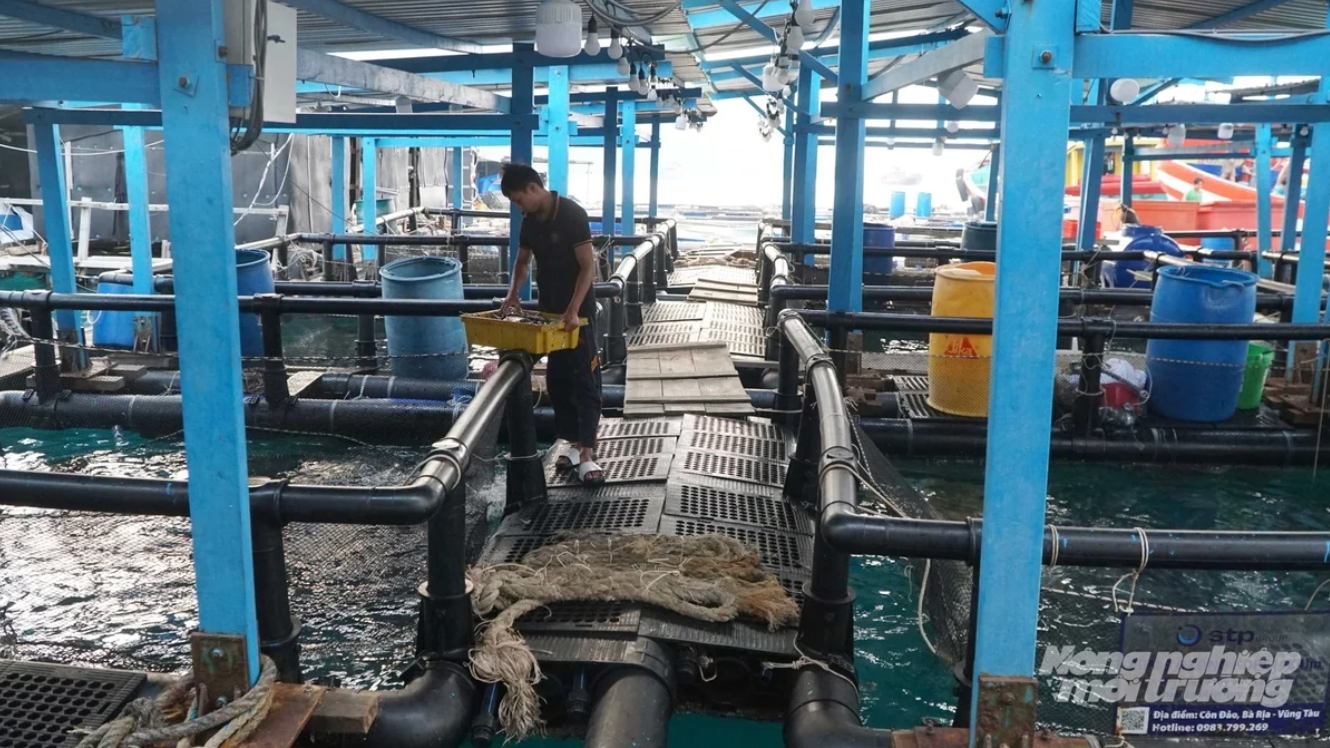 A high-tech marine aquaculture model in Con Dao special administrative zone. Photo: Le Binh.
The Department of Agriculture and Environment underscored that aquaculture development must go hand in hand with environmental protection.
“We cannot focus solely on raising fish to harvest; it must be viewed within the broader framework of sustainable development. Without proper environmental control, the consequences can come very quickly,” Na warned.