Through the CMDA project, Viet Nam and Cambodia have closely collaborated to manage transboundary groundwater, thereby ensuring water security and sustainable development in the region.
On March 25 in Siem Reap (Cambodia), The International Union for Conservation of Nature (IUCN), together with the General Department for Environmental Protection (Cambodian Ministry of Environment) and the Department of Water Resources Management (Vietnamese Ministry of Agriculture and Environment), held an Annual Stakeholder Meeting (ASM) for the project “Enhancing Sustainability of the Transboundary Cambodia - Mekong Delta Aquifer” (CMDA project).
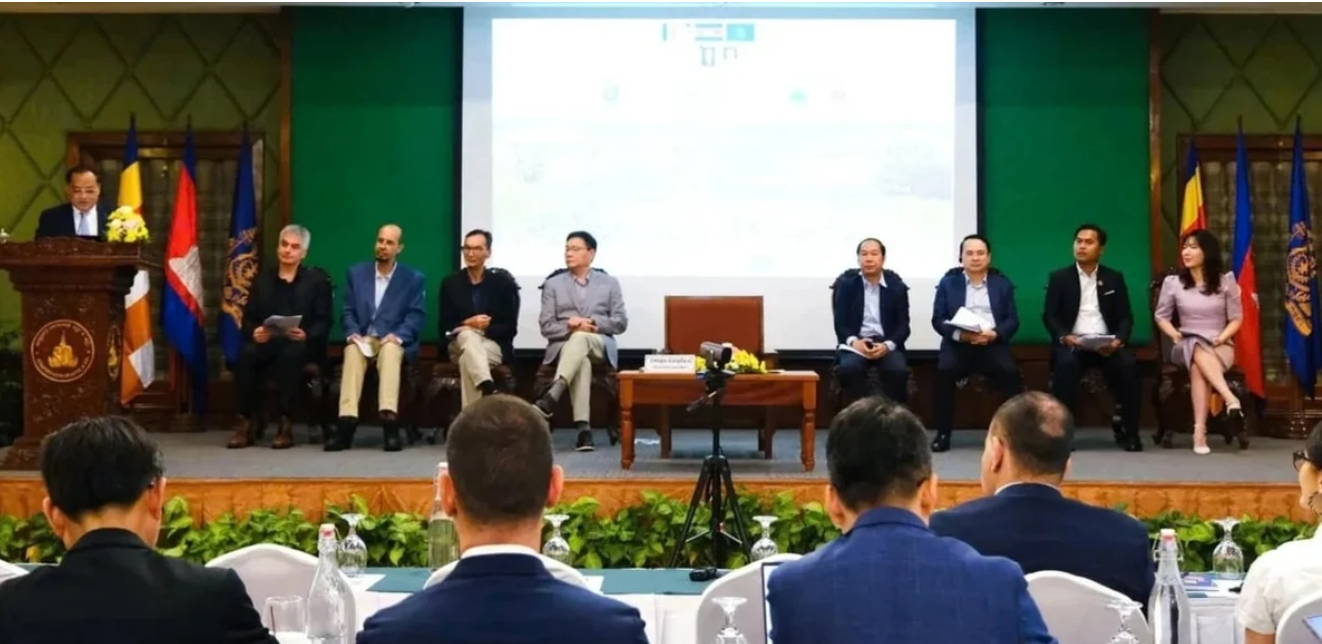 The meeting offered a chance to share updates, review the project’s achievements, and discuss plans for the next phase. Photo: DWRM.
Representatives from national and local authorities, international organizations, and experts attended to foster collaboration and involve stakeholders. The meeting also provided a forum for sharing updates, mobilizing resources, and supporting policy dialogue on transboundary groundwater management.
Joint management of transboundary groundwater
During implementation, the CMDA project has achieved significant results. One key achievement is a survey of over 5,000 households, broken down by gender. This survey has produced a comprehensive, up-to-date dataset on groundwater use and extraction in Cambodia and the Mekong Delta, providing valuable information to guide policy and water management in the region.
Mr. Andrew Wyatt, Deputy Regional Director of IUCN Lower Mekong, highlighted that CMDA is the first large-scale initiative to clarify the connections between the Mekong Delta ecosystem and transboundary aquifers. The project’s findings will provide a scientific foundation for joint strategies, including the Strategic Action Program (SAP), to tackle long-term sustainable development challenges.
Building on these findings, the project has established coordination structures to improve governance. Specifically, a Joint Technical Committee and an Inter-Ministerial Committee (IMC), involving key agencies from both countries, have been established. These committees guide SAP development and provide a foundation for long-term transboundary groundwater management. The meeting also hosted the first joint session of the Inter-Ministerial Committee, followed immediately by the first visioning workshop.
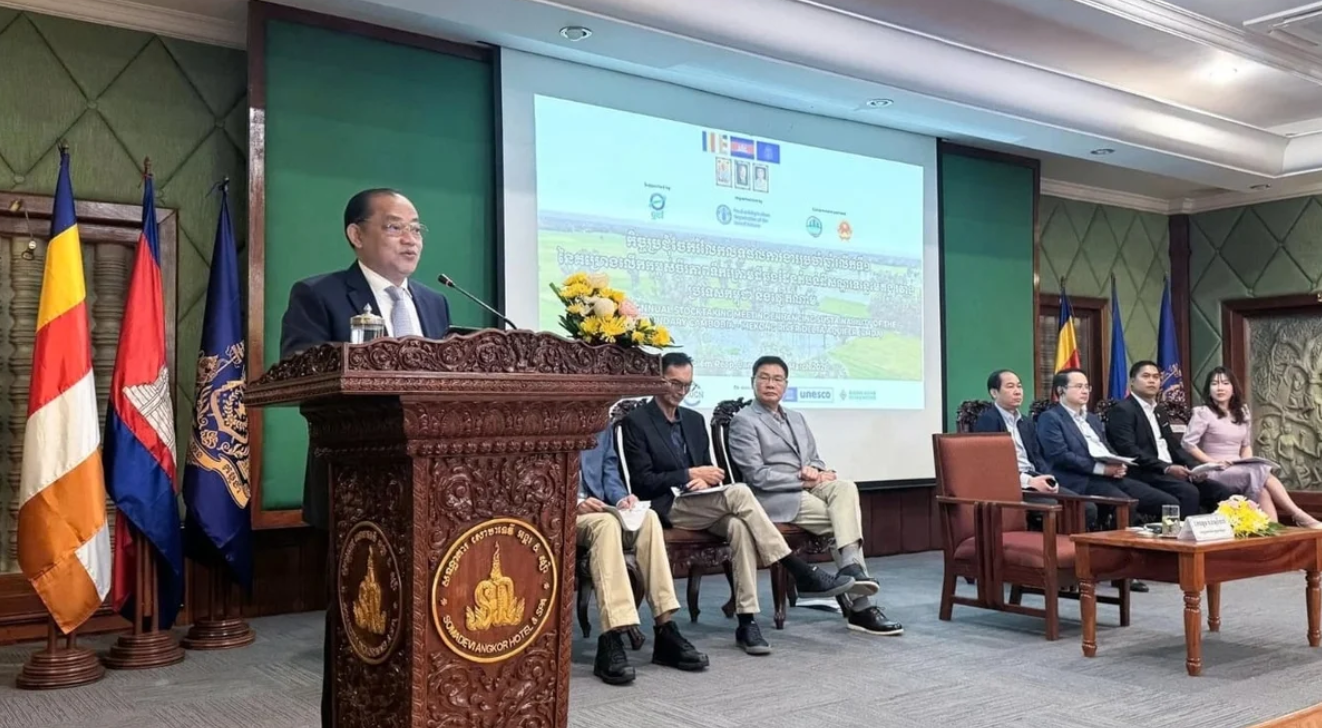 Mr. Vann Monyneath, Deputy Minister of the Ministry of Environment of Cambodia, spoke at the conference. Photo: DWRM.
However, experts note that transboundary aquifers in Cambodia and the Mekong Delta face serious cross-border challenges, including declining groundwater recharge due to land-use changes, over-extraction, agricultural pollution, rising salinity intrusion, and land subsidence. Such issues not only threaten water security but also impact livelihoods, ecosystems, and the region’s long-term sustainable development.
Therefore, participants emphasized adopting a comprehensive, coordinated approach among countries sharing water resources. Key priorities include improving data sharing, aligning policies, and creating mechanisms for long-term cooperation.
Promoting equal access to water
Alongside technical and institutional measures, the CMDA project emphasizes inclusivity in water management, reflecting the 2026 World Water Day theme, “Water and Gender”. It ensures that women, youth, and vulnerable groups can fully participate and benefit equitably from project outcomes.
Mr. Waleed Abouelhassan, a land and water expert from FAO, stressed the project’s importance in promoting sustainable groundwater management in both Cambodia and Viet Nam. The project helps safeguard essential resources for livelihoods, agriculture, and ecosystems. The annual review meeting also provides an opportunity for participants to assess progress, align on priorities, and advance concrete actions for the long-term management of shared aquifers.
Held under the 2026 World Water Day theme, the meeting continues to promote equitable access to safe water and sanitation. This approach helps reduce gender inequalities and supports the Sustainable Development Goals, particularly those on clean water and gender equality.
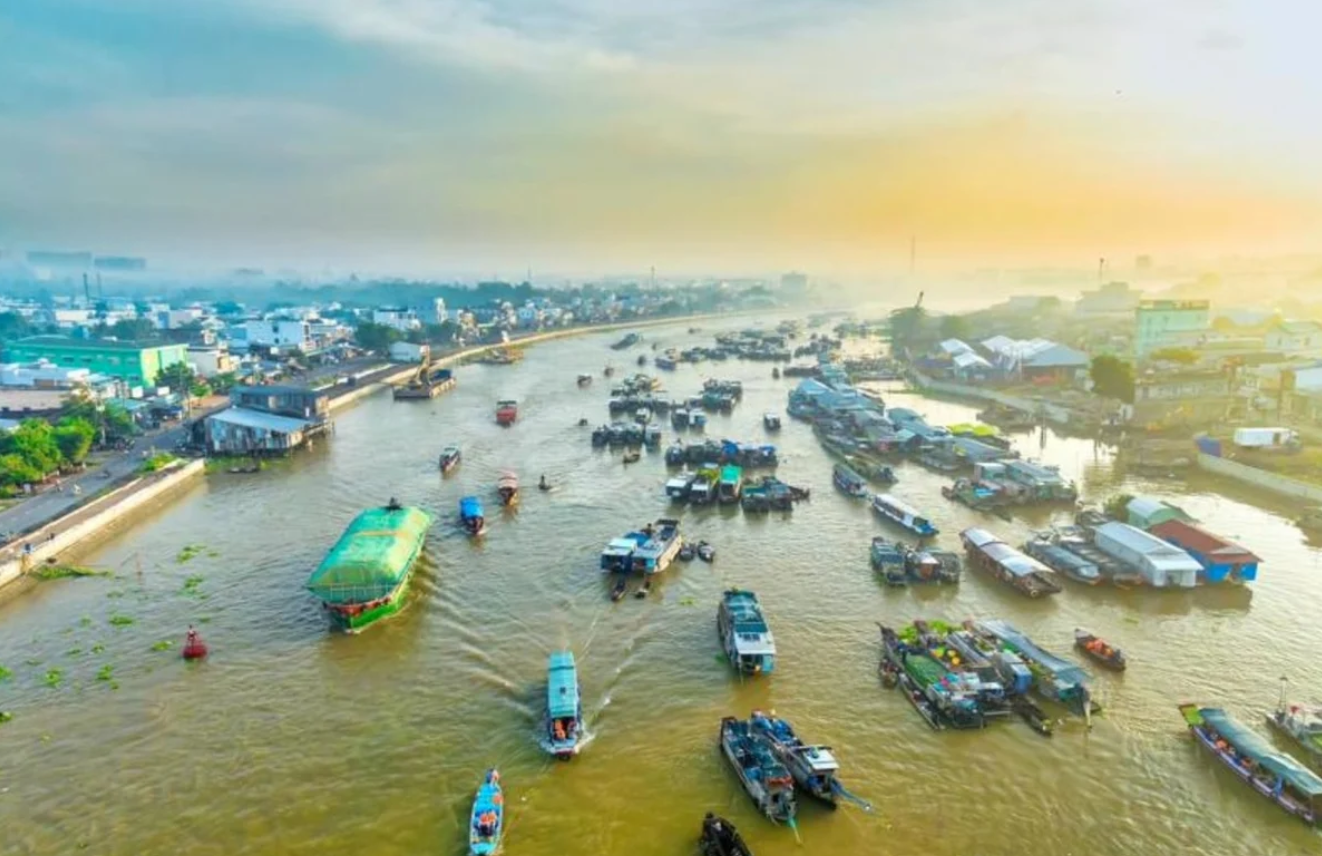 Collaboration between Viet Nam and Cambodia on sustainable aquifer management supports water security in the region. Photo: VNA.
 Within the meeting framework, thematic discussions focused on integrating gender perspectives into groundwater management, sharing survey results for TDA purposes, and exchanging ideas on cooperation initiatives, coordination mechanisms, and agreements in transboundary water management.
The conference also contributed to refining the project’s strategic direction, strengthening Viet Nam - Cambodia cooperation in sustainable aquifer management, ensuring water security, protecting ecosystems, and supporting sustainable development across the Mekong Delta in the context of climate change.