Deputy Minister Nguyen Thi Phuong Hoa suggested exploring ways to use satellite positioning stations in high-tech agriculture, bringing technology into practice and creating real value for production.
On the afternoon of March 17 in Hanoi, Deputy Minister of Agriculture and Environment Nguyen Thi Phuong Hoa chaired a meeting with the Viet Nam Department of Survey, Mapping and Geographic Information to review its work in the first quarter of 2026 and discuss priorities for the months ahead.
Mr. Hoang Ngoc Lam, Director General of the department, said that in the first quarter of 2026, the unit worked in a coordinated way, with a strong focus on drafting and finalising legal documents to support the next phase of surveying, mapping and geospatial development.
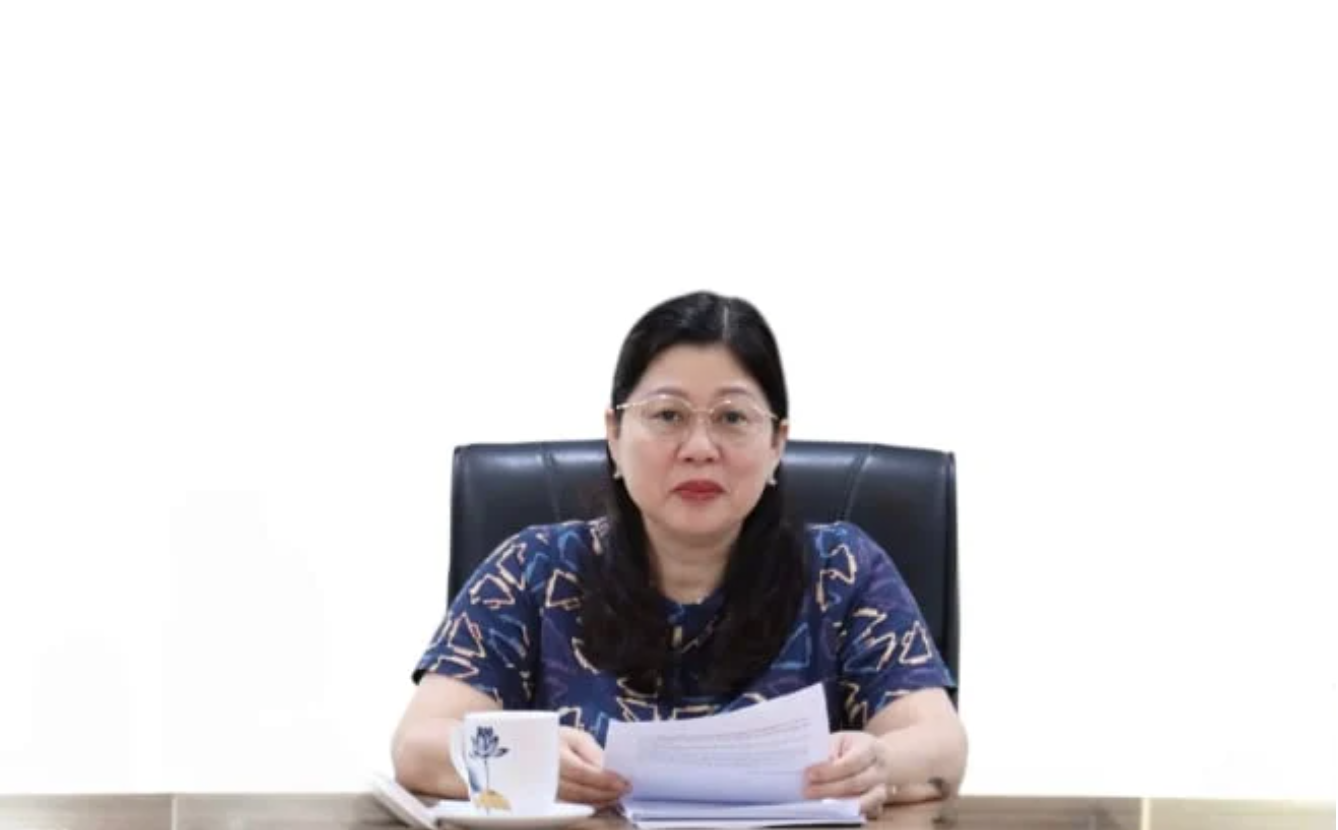 Deputy Minister of Agriculture and Environment Nguyen Thi Phuong Hoa chaired a meeting with the Viet Nam Department of Survey, Mapping and Geographic Information. Photo: Nguyen Thuy.
 The department has been tasked with drafting a Decree and a Circular. The revised Decree on administrative penalties in surveying and mapping has been completed and reviewed by the Ministry of Justice. The department is now working through feedback and preparing it for submission in March 2026. At the same time, it has set up a team to draft a Circular on technical standards for 3D maps at LOD0 and LOD1 levels, with work progressing as planned.
Alongside its policy work, the department has continued to improve public services and administrative procedures. In the first quarter, it handled nearly 3,000 applications, most of them online, showing the impact of digital transformation. It also issued licences for surveying and mapping in line with regulations, helping improve transparency and discipline across the sector.
The department also stepped up inspections, checking businesses at the request of relevant authorities and guiding localities to strengthen oversight of surveying and mapping.
On its core work, Director General Hoang Ngoc Lam said the department is moving ahead with key projects, including seabed mapping, building a national place names database, and mapping the Viet Nam-Cambodia border. At the same time, it is preparing proposals for medium-term public investment, such as expanding the satellite positioning network, developing an aerial imagery database, and upgrading the national height system.
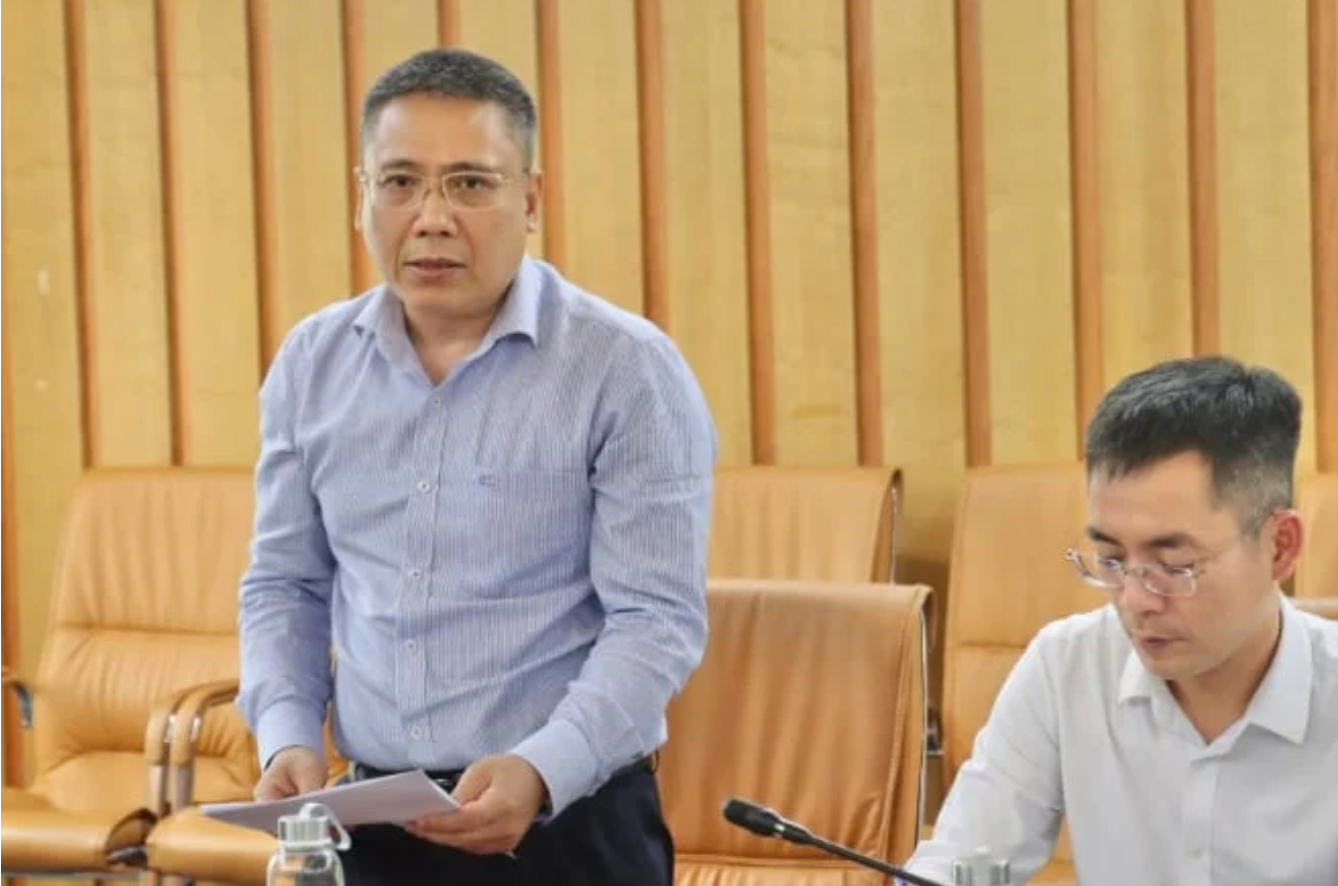 Director General Hoang Ngoc Lam spoke at the meeting. Photo: Nguyen Thuy.
In science, technology, and digital transformation, the department has actively followed directions from the Government and the Ministry. It has completed the integration of the national geospatial base data into the National Data Center, contributing to a shared spatial data infrastructure.
Work on borders and administrative boundaries has continued smoothly, with close coordination among ministries, sectors and localities.
At the meeting, Deputy Minister Nguyen Thi Phuong Hoa praised the department’s first-quarter results, especially its work on legal documents, which will support the sector’s future growth.
She urged the department to stay on schedule and finalise the revised Decree within the week for submission. For the 3D mapping Circular, she called for careful work and strict timelines.
During inspections, the Deputy Minister asked the department to maintain operations while focusing on high-risk cases. Inspections should be thorough and clear, ensuring discipline while helping businesses improve.
For technical projects, she urged the department to take the initiative in preparing investment plans, especially in infrastructure and data, and avoid a lack of proposals.
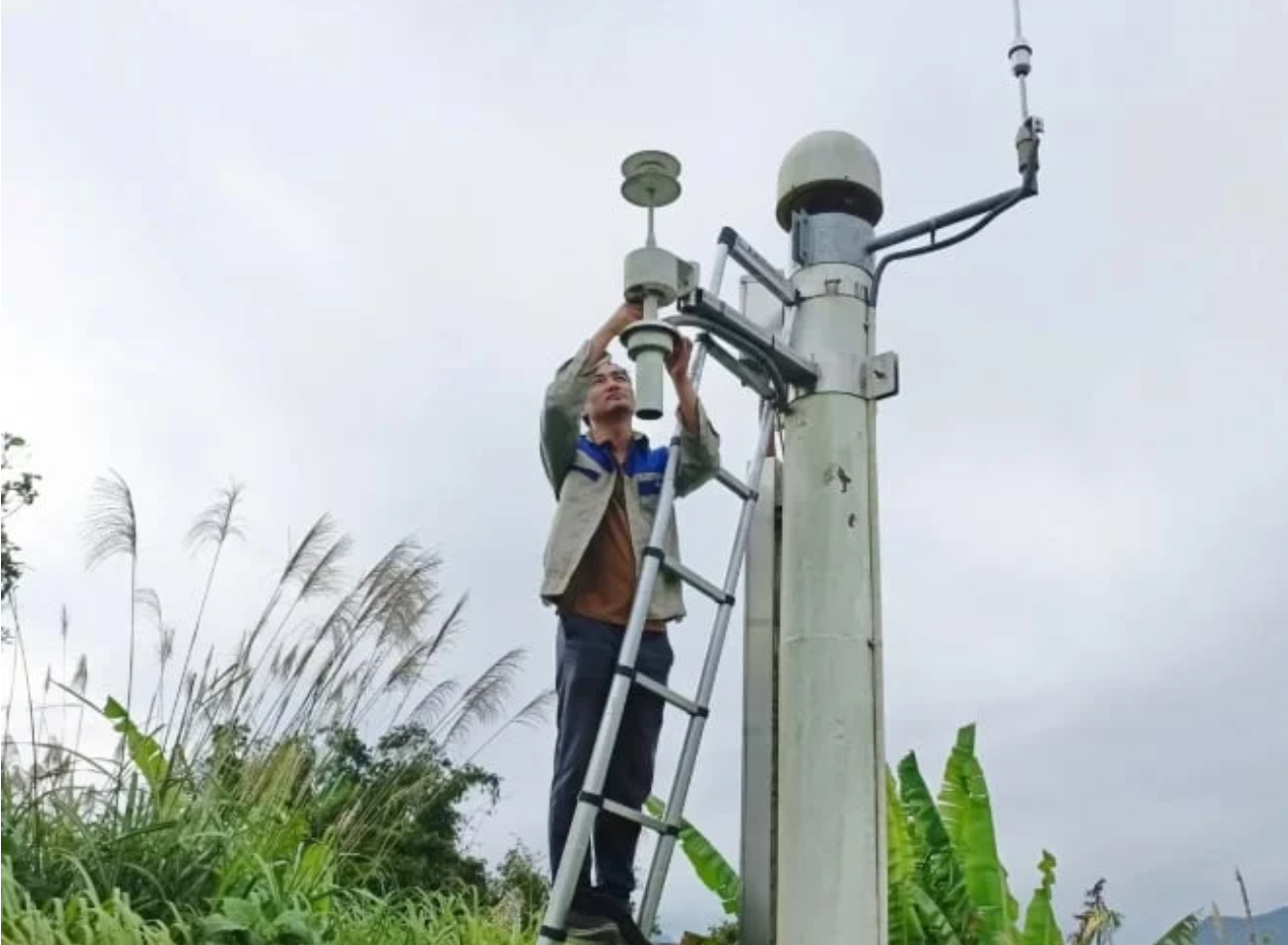 Deputy Minister Nguyen Thi Phuong Hoa highlights the potential use of satellite positioning stations for high-tech agriculture. Photo: Nguyen Thuy.
On science and technology, Deputy Minister Hoa called for a shift from research to real-world applications, with clear tasks aligned with practical needs. She also encouraged the development of satellite positioning stations and their use in high-tech farming, such as precision planting, automated spraying and fertilisation, and more efficient farming processes.
She added that this work requires close cooperation among research institutes, universities and businesses, along with stronger efforts to bring research results into practice and avoid leaving them unused.
In addition, the department should review and propose equipment upgrades to meet new demands. “What matters is to clearly define what we do and where the value lies. Research must translate into practical applications and deliver tangible results”, Deputy Minister Nguyen Thi Phuong Hoa stressed.