The Tay Ninh People’s Committee has issued Decision No. 3636/QĐ-UBND, listing 16 lakes, ponds and lagoons that are off-limits to filling. The move brings nearly 23,000 hectares of water under strict protection, helping strengthen water security and sustainable agriculture.
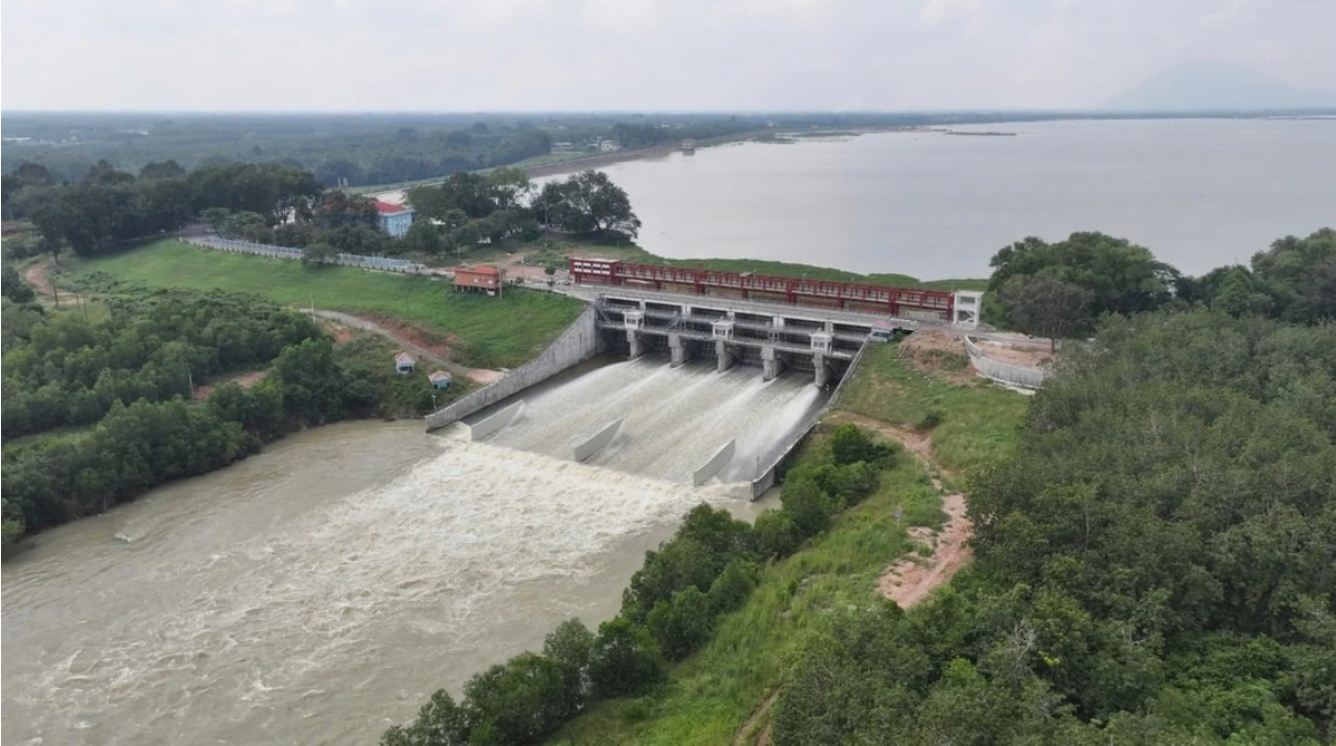 Dau Tieng Lake is considered the “water reservoir” of the southeastern region. Photo: Tran Trung.
Among them, Dau Tieng Lake stands out at over 21,000 hectares, spanning Duong Minh Chau, Tan Hoa, Tan Thanh and Tan Phu. It is the largest irrigation reservoir in southern Viet Nam and a key water source for hundreds of thousands of hectares of farmland in Tay Ninh and nearby provinces.
According to local authorities, the lake has sustained fertile farmland for decades. It supports key crops such as rice, sugarcane and cassava, as well as fruits like custard apple, durian and pomelo for export. Beyond farming, it regulates flows of the Sai Gon River, helps curb saltwater intrusion, and supplies water for downstream use.
Together with Tha La reservoir and the Suoi Duc diversion dam, it forms a linked system that supports irrigation in border districts such as Tan Chau and Tan Bien, helping many areas shift from rice to higher-value crops.
A representative of the lake’s management unit said the decision sets a clear legal framework while improving coordination among agencies to curb encroachment.
In recent years, the Southern Irrigation Exploitation Company has coordinated with Tay Ninh authorities to strengthen management. Inspections are carried out regularly to spot encroachment and illegal construction, while waste around the lake is closely monitored. At the same time, automatic systems are being introduced to track water levels and quality, helping ensure dam safety and effective flood control.
Mr. Nguyen Huu Manh, Deputy Director in charge of the Dau Tieng branch, said that although the ban on filling water bodies is now in place, long-term protection requires a combination of technical and management solutions. One key task is to review and clearly mark boundaries between residential or farmland areas and the protected corridor to avoid disputes and unintentional encroachment. At the same time, more continuous environmental monitoring stations are needed to detect pollution risks from fertilisers and pesticides used in surrounding farms.
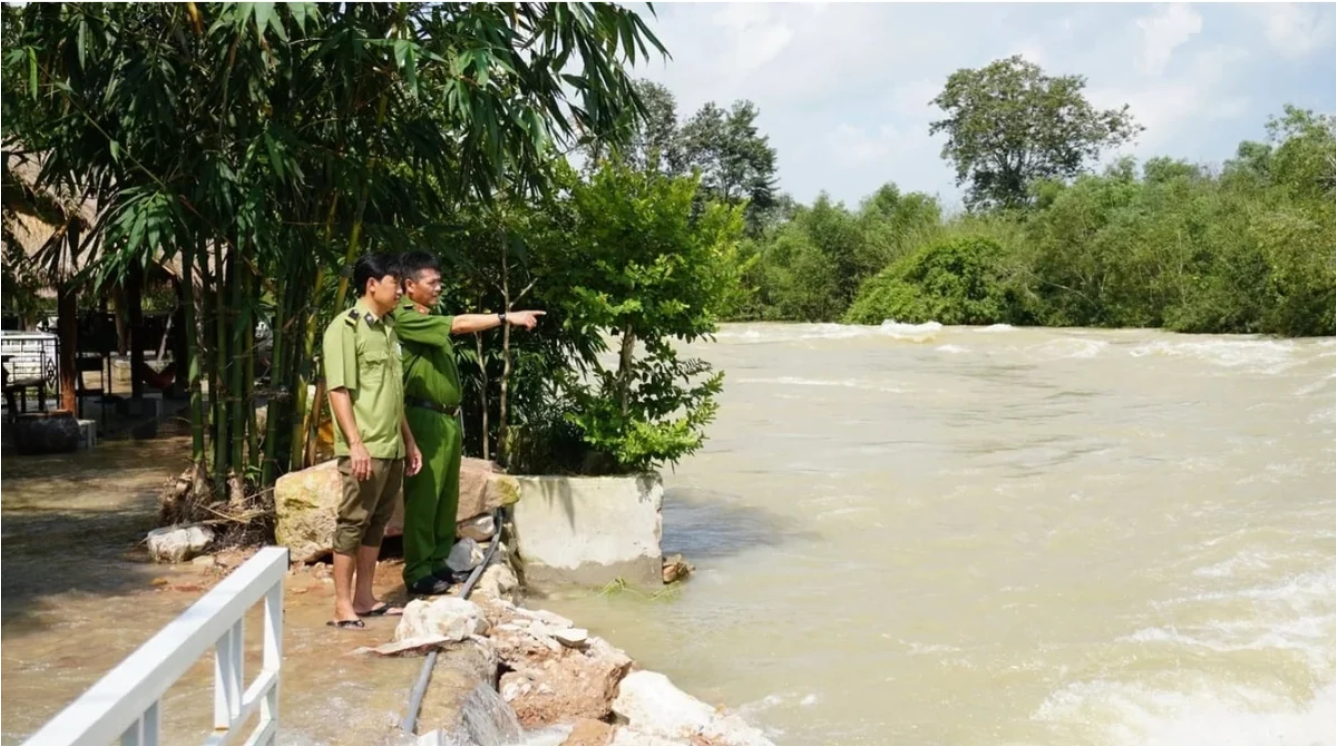 Dau Tieng Lake has stepped up inspections to prevent encroachment. Photo: Tran Trung.
“Besides technical measures, penalties must be strong enough to deter deliberate violations such as land filling or damaging water resources”, he said. “As water from Dau Tieng Lake serves not only Tay Ninh but also other localities in the southern key economic region, stronger inter-regional coordination between Tay Ninh, Dong Nai and Ho Chi Minh City is essential for long-term water security”.